Best Cushioned Running Shoes: Runner's World
Runner's World has selected the best cushioned running shoes for 2024, based on testing by its gear team and over 300 wear-testers.
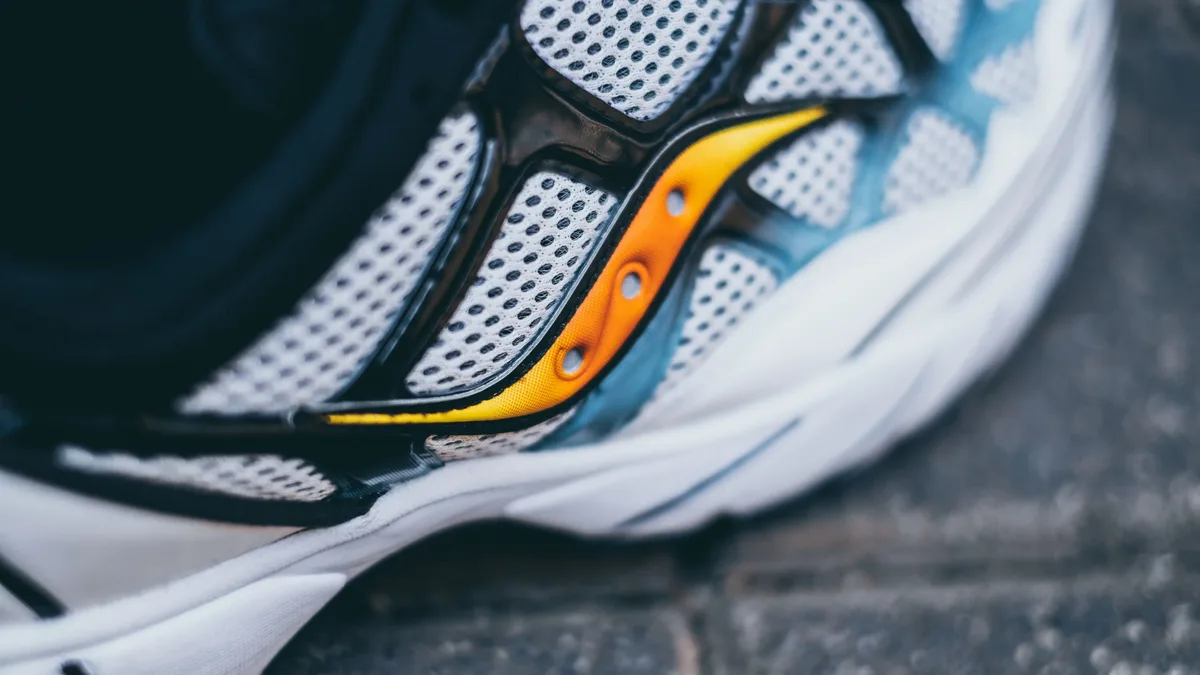
Runner's World has released its 2024 selection of the best cushioned running shoes. The picks are based on extensive testing by the publication's gear team and feedback from over 300 wear-testers.
Cushioned shoes act as a buffer against impact, which can reach up to five times a runner's body weight per foot strike, providing comfort and support for all runners. The publication's list aims to help runners find the ideal shoe for comfort and support during base-building, injury prevention, or marathon training. You can explore more detailed performance stats on our site.
How the Shoes Were Selected
The selections were made by the Runner's World reviews editor, a lifelong runner, using personal expertise and feedback from editors and a wear-test team. For 60 years, the publication has tested running gear. The testing program curates impressions from more than 300 local runners of diverse backgrounds to ensure varied perspectives. The chosen shoes earned high praise for their excellent padding and strong performance on roads, trails, and in various workouts, much like how a team's squad depth is evaluated.
Top Picks at a Glance
The publication's gear team provided a quick list of top recommendations across different categories.
| Category | Shoe Model |
|---|---|
| Best Overall | Brooks Glycerin 23 |
| Best Value | New Balance Ellipse |
| Best for Tempos | Brooks Ghost Amp |
| Best for Long Runs | Hoka Clifton Pro |
| Most Responsive Ride | Adidas Hyperboost Edge |
| Best for Stability | Nike Structure Plus |
| Best Low Drop | Altra Fwd Via 2 |
| Best Lightweight Option | Brooks Glycerin Flex |
| Best for Racing | Hoka Cielo X1 3.0 |
| Best for Trails | Hoka Mafate X |
Detailed Shoe Reviews
Brooks Glycerin 23: Formerly Brooks's most cushioned trainer, the Glycerin 23 is a favorite daily trainer. It is slightly heavier than the Ghost 17 and uses DNA Tuned foam. This dual-cell technology features small foam cells in the forefoot and larger cells in the heel to soften landings. The Glycerin 23 has 2 mm more nitrogen-infused cushioning in the forefoot for a balanced platform and a wider base for stability. For more stability, the Glycerin GTS 23 model includes Brooks's guide rails system.
New Balance Ellipse: This shoe offers a plush ride from a retooled version of New Balance's Fresh Foam X midsole foam. The foam is softer and bouncier with new geometry. New Balance Senior Global Project Manager Paul Zielinski said the retooled foam's bounce-back effect is noticeable when flipping the shoe over.
Brooks Ghost Amp: This model adds PEBA to the midsole, creating what the brand calls true amp. The new DNA Hype foam provides 36 mm of cushioning in the heel and 30 mm in the forefoot. The publication's testers especially liked it for fast efforts on the track or during tempo runs. Senior Editor Cat Bowen said, "The midsole hits a sweet spot that's neither too cushioned nor too firm. It has decent rebound and springiness." The upper has a plush collar and tongue, and a SpringRamp forefoot rocker provides propulsion.
Hoka Clifton Pro: This shoe replaces CMEVA foam with a supercritical foam (SCF) platform that feels denser and softer. It is designed for high-performance workouts like speed days or long runs with marathon-paced miles. The Clifton Pro has the same stack heights and drop as the Clifton 11 and is only slightly heavier. The publication likens it to an elevated everyday shoe capable of more strenuous workouts.
Adidas Hyperboost Edge: Adidas introduces this max-cushioned super trainer without a stiff plate. It features PEBA-based Hyperboost Pro foam, a Primeweave upper, and a Lighttraction outsole. Shoe tester Dee Koutsourais said, "This shoe really shines as a crossover option for runners who want something that works both on the run and in everyday life."
Nike Structure Plus: This stability shoe is lighter than the Structure 26 despite having 4 mm more midsole cushioning. It features a top layer of ZoomX PEBA foam over ReactX, with a wider midsole geometry for stability. The convex sidewall and dense arch support help with overpronation without being intrusive. One tester with plantar fasciitis appreciated the arch support, while another overpronator was pleasantly surprised by the midfoot cushioning and stability. The Structure 26 remains an option at a more accessible price point of $140.
All product links in the source direct to the respective brands' official websites.