Bui’s Plan Cuts Half Marathon Workouts
Anh Bui, a DPT and CSCS coach, shows how a 40-minute strength routine can fit into half-marathon training, reducing heavy lifts, adding supersets, and incorporating new moves to improve performance and reduce injury risk.
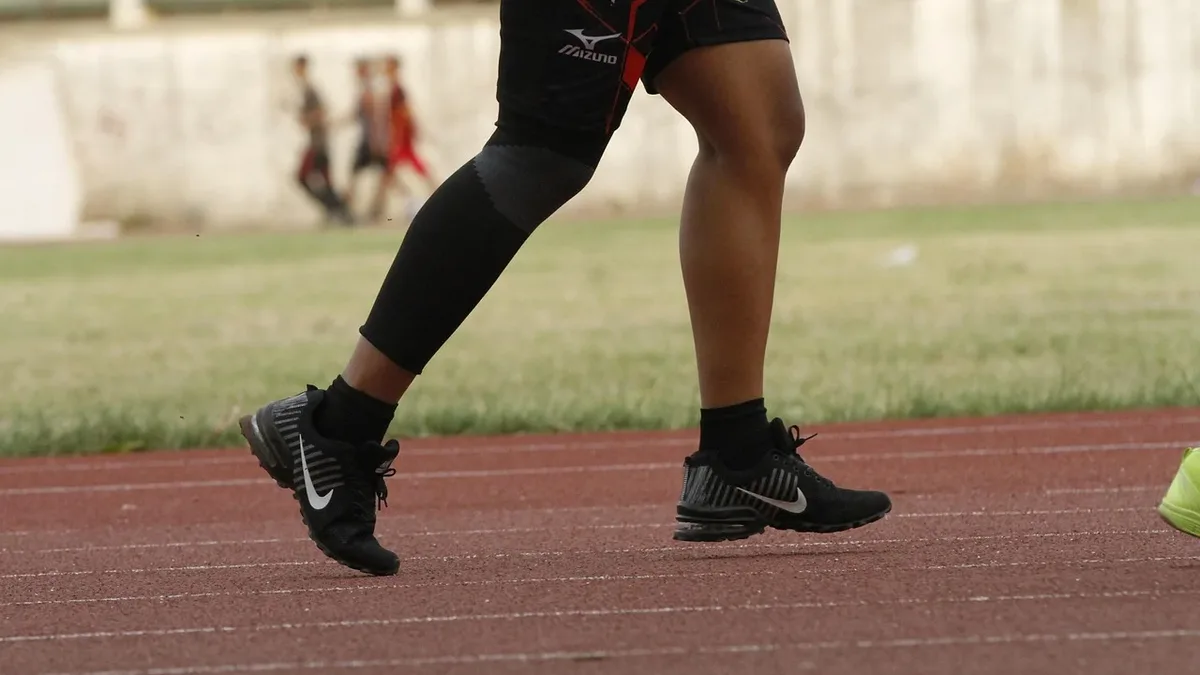
Anh Bui, a DPT and CSCS coach of Run Resiliently Physical Therapy, introduced a 40-minute strength routine for half-marathon training. The plan reduces heavy compound lifts to one or two per session and adds supersets to keep workouts under 40 minutes.
How I Upgraded My Strength Routine for Race Training
During base training, I would typically do three heavy compound lifts, followed by one to two accessory movements, all for about three to four sets of six to eight repetitions. That routine takes a lot of time and energy, which can pull focus from mileage. Bui recommends scaling back to one or two heavy barbell movements per session and monitoring the load. I now start with one or two of those compound barbell moves that I love, and I schedule the other one or two on a different day for variety.
Bui advises using a moderately heavy weight-enough that I could do two more reps at the end of the set. This approach adapts to daily recovery and training phase.
The routine also incorporates supersets. In the off-season, I spent an hour or more on the weight room, but supersets cut that time. I alternate two movements with little rest, which keeps the session lively and efficient. The new plan lasts only 30 to 40 minutes while still challenging the muscles.
Adding a few new moves helps balance strength training with running. Bui explains that repeated use of the same muscles can cause overuse injuries. She recommends anti-rotational exercises like the Pallof press, core work such as the Copenhagen plank, and lateral side lunges and box jumps for power. These exercises build resilience and improve core and pelvic floor strength.
I use the bench beside the squat rack for drop box jumps, and I pair back squats with Copenhagen planks because the barbell rests on the top rack, leaving space for floor work. Pallof press is paired with lateral lunges, taking advantage of the machine’s proximity. Power movements like box jumps add speed and power efficiently.
How These Tweaks Have Changed My Training
After the first time I did these moves, my lower body felt sore, likely from the drop box jumps. With a few days of rest, I noticed an easier start to track workouts and a better tolerance for increased weekly mileage. I still get to lift heavy weights and add more each week when I feel ready, and I can finish the gym in less than 40 minutes.
If a piece of equipment isn’t available, I swap two of the supersets and do them in a different order-no more waiting around for the squat rack!
My Upgraded Half Marathon Strength Routine
Before these workouts, I typically do a couple leg swings, bodyweight squats, and toe touches for a quick warm-up. I cool down afterward with light static stretching at home. If I miss one day of strength training a week, the other days incorporate similar exercises and movement patterns.
1-2 Times a Week
- Superset 1 (3 sets of 6-8 reps)
- Superset 2 (3 sets of 6-8 reps)
- Superset 3 (3 sets of 6-8 reps or 5 jumps)
1 Time a Week
- Superset 1 (3 sets of 6-8 reps)
- Superset 2 (3 sets of 6-8 reps)
- Superset 3 (3 sets of 6-8 reps)
The plan aligns with the latest training statistics from our stats database. See the current standings for half-marathon qualifiers.
Kristine Kearns, a writer and avid runner, joined Runner’s World and Bicycling in July 2024. She previously coached high school girls cross country and currently competes in seasonal races, with more than six years of distance training and an affinity for weightlifting. You can find her wearing purple, baking cupcakes, and visiting her local farmers market.