1500 Metres
| Discipline | 1500 Metres |
|---|---|
| Original use | Middle-distance track race |
| Standard track | 400 metres |
| Laps in standard race | 3¾ laps |
| World Record (Men) | 3:26.00 |
| World Record (Women) | 3:49.11 |
| Olympic status | Core event since 1896 (men), 1972 (women) |
Origin and history
The 1500 metres running event originated in continental Europe during the late 19th century, specifically as a metric adaptation of the imperial mile race. It was designed to be a standard middle-distance track event for the modern Olympic Games, which were revived in the 1890s. The first modern Olympic Games in 1896 featured a 1500 metres race for men, establishing it as a core athletic discipline. The distance of 1500 metres, equivalent to three and three-quarter laps of a standard 400-metre track, provided a distinct test of speed and endurance separate from the mile. Its inclusion in the inaugural Olympics helped solidify its place in international track and field competitions. The women's 1500 metres was introduced much later, first appearing at the Olympic Games in 1972, reflecting the historical delay in women's participation in longer track events.
What it is for
The 1500 metres is a standard middle-distance track event in athletics, run on a 400-metre oval track. Competitors run a total distance of 1500 metres, which requires completing three full laps plus an additional 300 metres, often starting from a curved start line to achieve the correct total distance. The event is designed to test a unique blend of aerobic endurance, anaerobic capacity, tactical racing intelligence, and finishing speed. It serves as a primary championship distance, featured in Olympic Games, World Championships, and continental championships. The discipline acts as a bridge between the pure speed of the 800 metres and the sustained endurance of the 5000 metres. Athletes must manage their energy expenditure and positioning throughout the race to be in contention for the final sprint, which typically begins in the last 300 to 400 metres.
Pros and cons
A primary advantage of the 1500 metres is its status as a classic Olympic distance, offering significant prestige and a clear pathway for athletes through recognized competitions. The event provides a balanced physical challenge that rewards versatile athletes who possess both speed and endurance, unlike more specialized longer or shorter races. However, the 1500 metres demands a difficult and often grueling training regimen that must develop multiple energy systems, increasing the risk of overtraining or injury. A common mistake for developing athletes is focusing too heavily on high-volume endurance work at the expense of raw speed, which leaves them unable to respond in the final lap. Conversely, an overemphasis on speed work can lead to athletes fading badly in the latter stages of the race. Many athletes regret specializing in the 1500 metres if they lack the specific tolerance for the intense, race-pace repetitions required in training, which are more demanding than the steadier paces of longer distances. The tactical nature of championship races can also be a con, as a well-positioned athlete with inferior personal bests can defeat a faster runner through superior tactics and positioning.
Who it suits
The 1500 metres best suits athletes who possess a rare combination of high-end speed and considerable aerobic endurance, often transitioning from either 800-metre or 5000-metre backgrounds. It is ideal for competitors who excel at tactical racing and can make quick decisions about positioning, pace changes, and when to initiate their final kick. Athletes with a strong psychological resilience for intense, race-pace training sessions and the ability to tolerate high levels of lactic acid are well-matched to the event. It frequently suits later developers whose speed improves with maturity, allowing them to move up from longer distances or down from shorter ones. The discipline is also a good fit for team-oriented runners who may act as pacemakers or tactical players in championship settings, even if not the outright favorite. Ultimately, it suits dedicated individuals prepared for the specific and demanding year-round training required to be competitive at the national and international levels.
Latest 1500 Metres news
Latest reporting
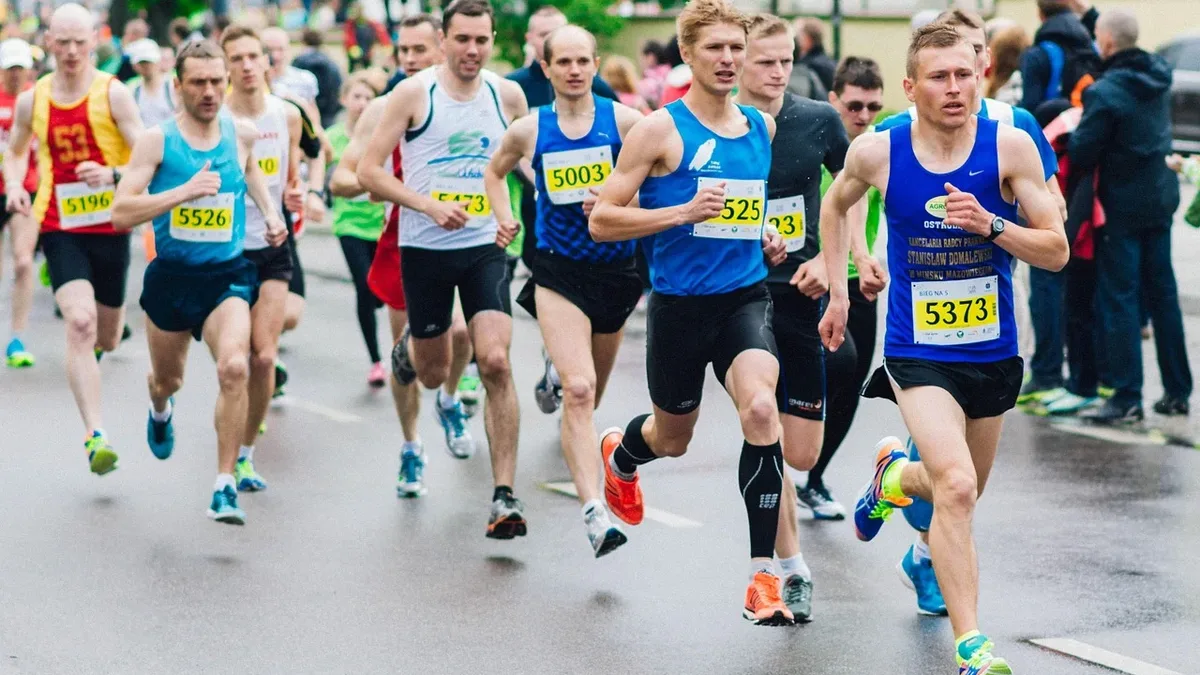
Edmonton Marathon mismeasured due to calculation error
A mathematical error during a construction adjustment added 700 metres to the Servus Edmonton Marathon course, an outlier in a stringent global...
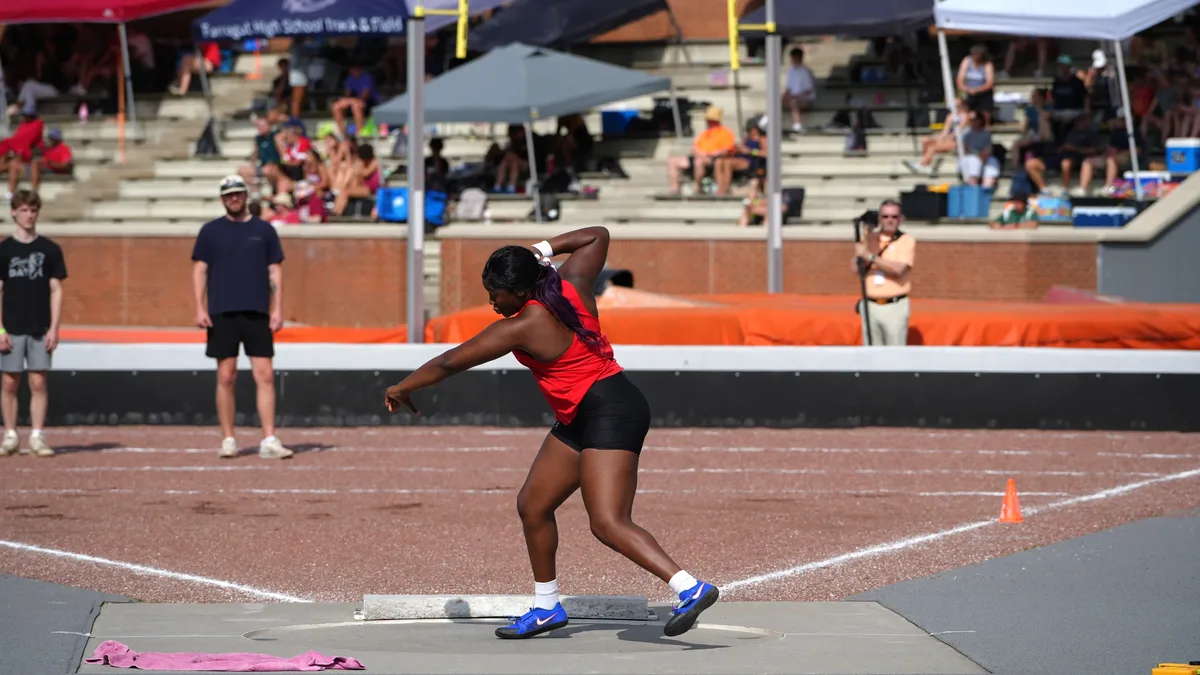
Chase Jackson sets 21.02m North American shot put record
Chase Jackson broke the 32-year-old North American shot put record with a throw of 21.02m in Berlin, becoming the season's second woman over 21...
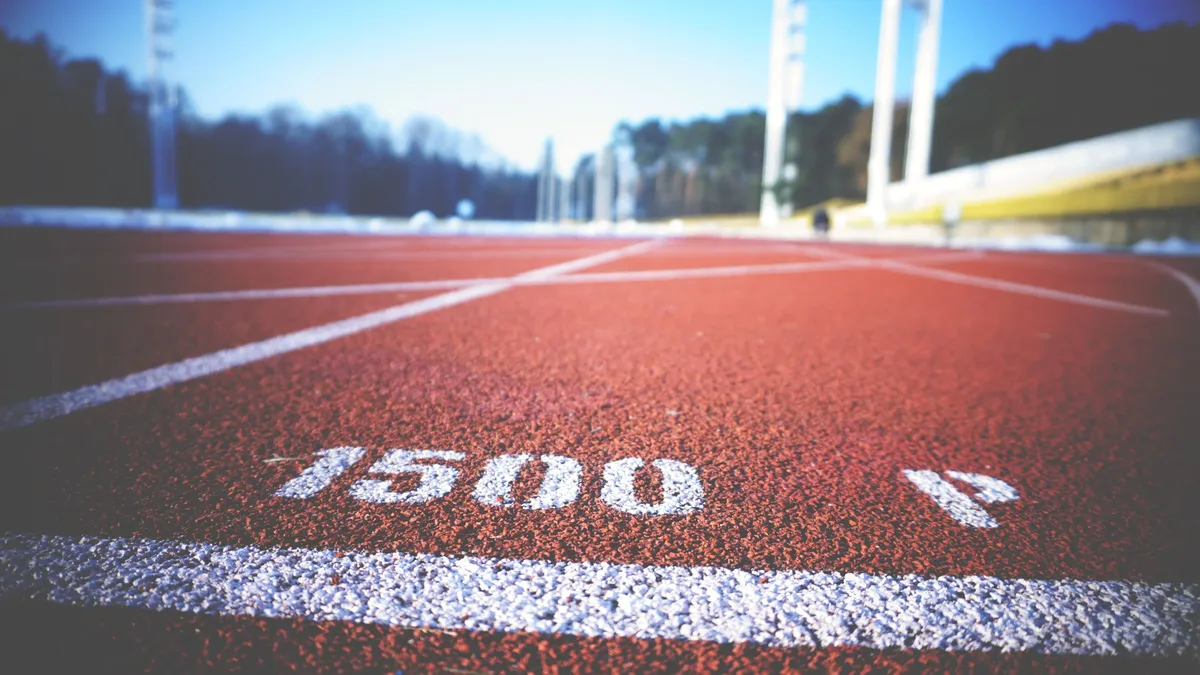
Zurich DL: Americans eye 1500 & 3000
The 2026 Weltklasse Zurich will take place on Thursday, August 27, at Letzigrund, Switzerland, and will feature a strong American contingent in the...

Ethan Strand claims first DL 1500 win in Silesia
Ethan Strand secured his first Diamond League 1500m victory with a 3:30.77 finish, defeating Cole Hocker and Jakob Ingebrigtsen in Poland.
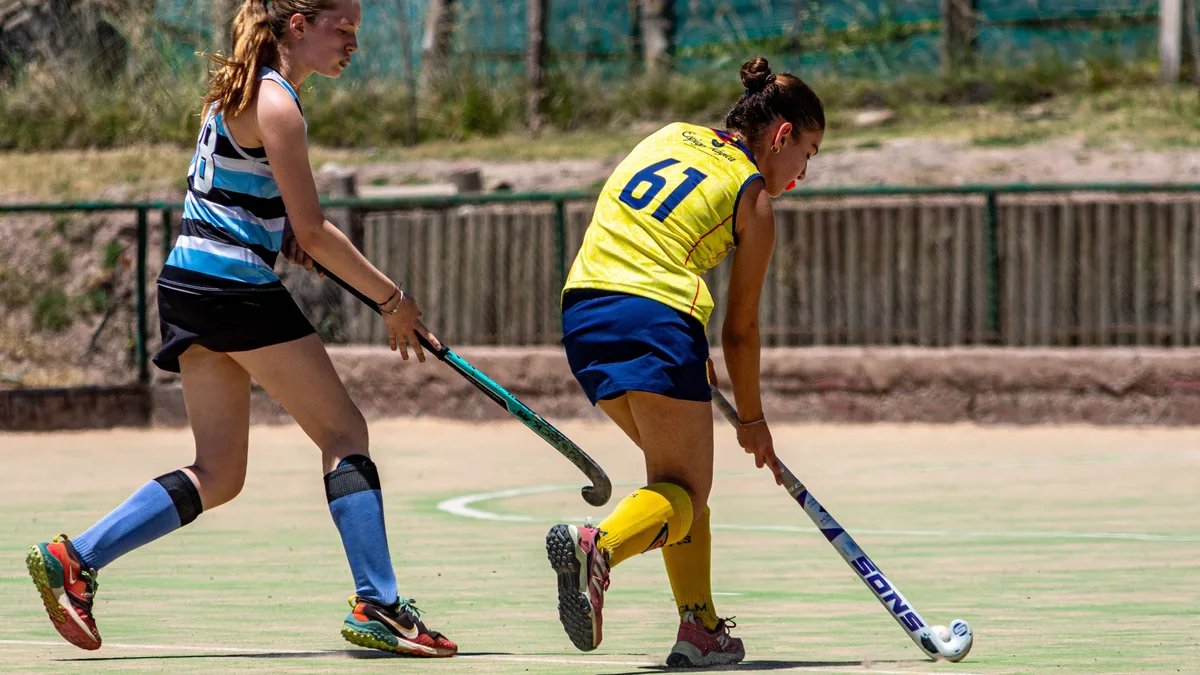
Women's 800 Metres World Record on the Brink of Being Broken
Athletes are approaching a long-standing world record in the women's 800 metres event, with several performers setting up for potential...