100 Metres
| Discipline | 100 Metres |
|---|---|
| Original use | Track and field athletics competition |
| Mark | Time (seconds) |
| Track type | Outdoor synthetic or indoor banked |
| Race distance | 100 metres |
| Lanes | Typically 8 or 9 |
| Start type | Crouch start from starting blocks |
Origin and history
The 100 metres sprint originates from ancient Greece, where short foot races were a central feature of the ancient Olympic Games from the 8th century BCE. The modern standardized distance of 100 metres emerged in the late 19th century, alongside the formalization of track and field athletics under standardized metric measurements. It was included in the inaugural modern Olympic Games in Athens in 1896, though initially run on a straight course of approximately 100 metres. The establishment of the International Association of Athletics Federations (IAAF), now World Athletics, in 1912 helped solidify the rules and conditions for the event globally. The discipline evolved from being run on cinder tracks to all-weather synthetic surfaces, which dramatically changed performance times from the 1960s onward. Its history is deeply intertwined with the development of electronic timing, starting with the first fully automatic times in the late 1960s, to ensure accuracy in recording results.
What it is for
The 100 metres is a track and field running event designed to measure the maximum sprinting speed of an athlete over a straight-line distance. It serves as the premier test of pure acceleration and top-end velocity in human locomotion, with no pacing strategy involved. The event is conducted on a standard 400-metre outdoor track, utilizing one of the two straight sides, with lanes typically marked for the entire distance. Competitors start from starting blocks and race in individual lanes, and the result is determined by the first athlete to have their torso cross the finish line plane. It is used to crown the "world's fastest human" at major championships like the Olympic Games and the World Athletics Championships. The discipline also functions as a foundational assessment tool for speed potential in many other sports and physical training programs.
Pros and cons
A primary advantage of the 100 metres is its simplicity and universal appeal, offering a clear, unambiguous outcome that is easy for spectators to understand. The event provides a pure, measurable benchmark for human explosive power and neuromuscular efficiency, valuable for athletic talent identification. However, the extreme specialization required places immense stress on the athlete's body, particularly the hamstrings and Achilles tendons, leading to a high risk of severe soft-tissue injuries. The psychological pressure is immense, as a single false start can lead to disqualification and years of preparation can be invalidated by a minor technical flaw or a poor reaction to the gun. Many aspiring sprinters regret specializing too early, neglecting foundational strength and technical development, which leads to early performance plateaus. The discipline also suffers from a narrow window of peak performance, with athletes often facing rapid decline in their late twenties or early thirties, complicating long-term career planning.
Who it suits
The 100 metres best suits athletes who possess a high proportion of fast-twitch muscle fibers, enabling exceptional rates of force production and rapid acceleration. It is ideal for competitors with a powerful physiological build, typically exhibiting significant strength in the glutes, quadriceps, and calves, combined with a low body fat percentage. Individuals with a high capacity for handling intense, focused training and the psychological resilience to perform under extreme, brief pressure tend to excel. The discipline suits those who are technically meticulous, as success hinges on optimizing block clearance, drive phase, upright running mechanics, and maintaining relaxation at top speed. It is often a good fit for athletes who prefer short, explosive training sessions over long, endurance-based workouts, though it demands rigorous ancillary training in the weight room. Finally, it suits competitors comfortable with an individual-focused sport where the outcome is solely dependent on their own performance in a single, brief effort.
Latest 100 Metres news
Latest reporting
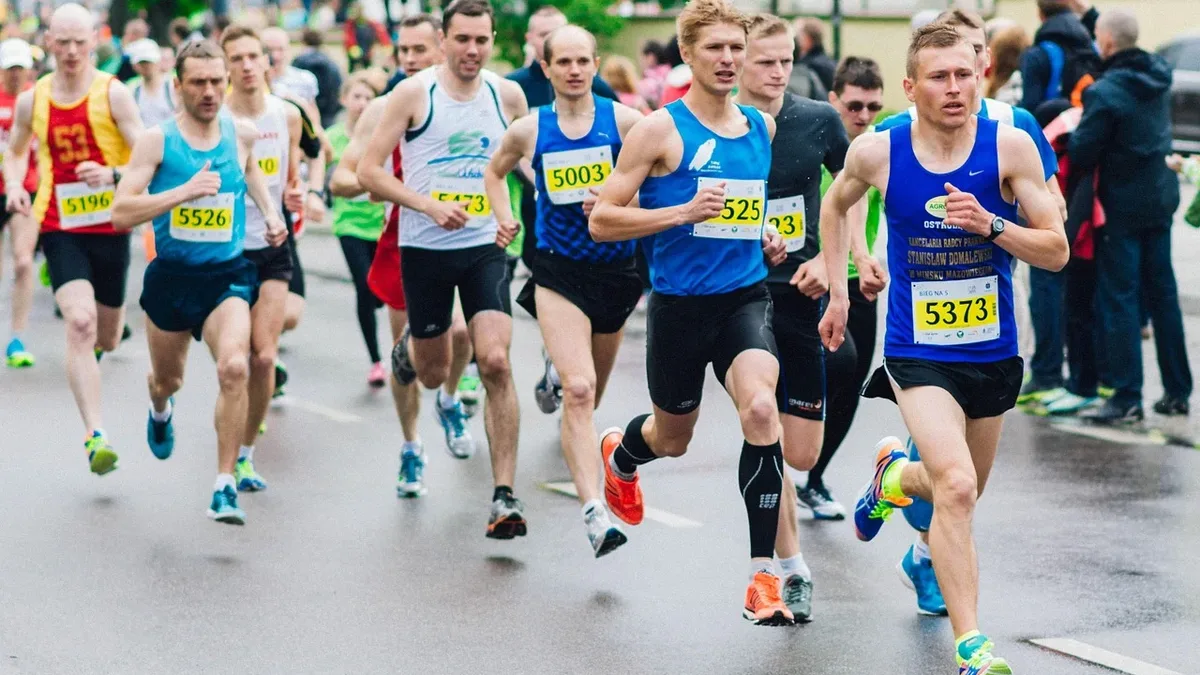
Edmonton Marathon mismeasured due to calculation error
A mathematical error during a construction adjustment added 700 metres to the Servus Edmonton Marathon course, an outlier in a stringent global...
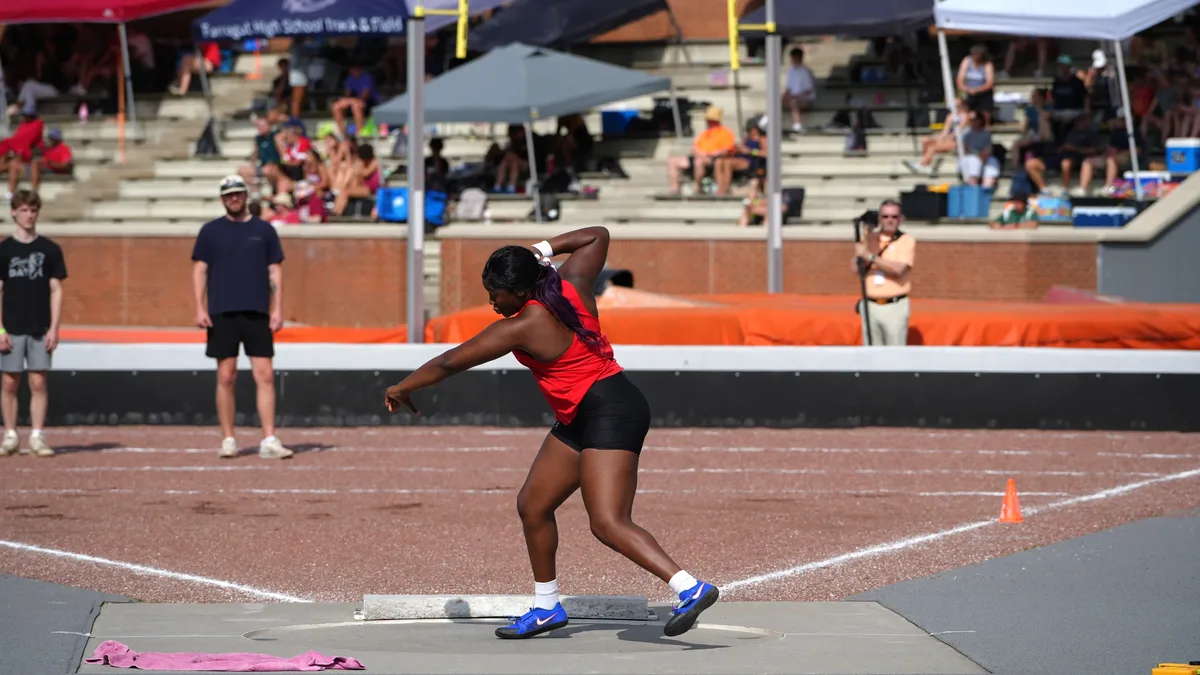
Chase Jackson sets 21.02m North American shot put record
Chase Jackson broke the 32-year-old North American shot put record with a throw of 21.02m in Berlin, becoming the season's second woman over 21...

Zurich DL: Americans eye 1500 & 3000
The 2026 Weltklasse Zurich will take place on Thursday, August 27, at Letzigrund, Switzerland, and will feature a strong American contingent in the...
Women's 800 Metres World Record on the Brink of Being Broken
Athletes are approaching a long-standing world record in the women's 800 metres event, with several performers setting up for potential...