Boston Marathon 2026
| Discipline | Marathon (road running) |
|---|---|
| Mark | 26 miles 385 yards (42.195 kilometers) |
| Course type | Point-to-point |
| Course start | Hopkinton, Massachusetts |
| Course finish | Boston, Massachusetts |
| Race month | April |
| Qualifying standard | Required (time varies by age and gender) |
| Field size | Approximately 30,000 runners |
Origin and history
The Boston Marathon is an annual long-distance running event held in the Greater Boston area of Massachusetts, United States. Its origin dates to the late 19th century, inspired by the marathon event introduced at the first modern Olympic Games in 1896. The first Boston Marathon was held in 1897, making it the world's oldest annually contested marathon. The 2026 edition represents the 130th running of this historic event, continuing an unbroken tradition aside from occasional cancellations, such as in 2020. The race is organized by the Boston Athletic Association (B.A.A.), which has overseen its operations since the inaugural race. Its history is deeply intertwined with the development of long-distance running as a competitive sport and popular participatory activity globally.
What it is for
The primary condition for entry, aside from elite athlete invitations, is meeting a strict qualifying time standard for one's age and gender group in a certified marathon within a specified window prior to the race. The course runs from Hopkinton through several towns, finishing on Boylston Street in Boston, presenting specific challenges including the notable Newton Hills. It functions as a major international sporting spectacle, a significant civic event for the Boston region, and a pinnacle achievement for recreational runners worldwide who seek to earn entry through qualification.
Pros and cons
The stringent qualification system ensures a highly competitive and motivated field, which can elevate personal performance. However, a significant con is the extreme difficulty of gaining entry, as qualifying times are demanding and simply meeting them does not guarantee acceptance if the number of applicants exceeds the field size, leading to widespread disappointment. The point-to-point course and variable New England weather in April, which can range from unseasonable heat to cold rain and headwinds, introduce substantial and unpredictable physical challenges. Many runners regret focusing solely on qualifying at the expense of proper recovery, arriving at the start line already fatigued or injured, which undermines their race experience. The common mistake is underestimating the course's specific demands, particularly the early downhill sections that can lead to quadriceps fatigue long before the famous Newton Hills, disrupting even pacing.
Who it suits
This event ideally suits highly disciplined and experienced marathoners who have consistently demonstrated the ability to train for and achieve a qualifying time under race conditions. It is appropriate for runners who derive motivation from historical tradition and being part of a selective, performance-oriented field rather than a purely recreational or charitable running environment. The marathon suits athletes who can adapt their race strategy to potentially adverse weather and a demanding, net-downhill course profile that requires tactical pacing. It is less suited for first-time marathoners or those seeking a guaranteed entry through charity or other non-qualifying means, as the primary entry mechanism is performance-based. The event also suits spectators and the running community at large, for whom it serves as an annual celebration of the sport's history and competitive spirit. Ultimately, it is for individuals who view the process of qualifying and competing as a long-term athletic pursuit integral to their running identity.
Latest Boston Marathon 2026 news
Latest reporting

2027 TCS London Marathon a two-day event and Olympic trial
The 2027 TCS London Marathon will be held over two days for the first time, with elite races split across April 24-25.
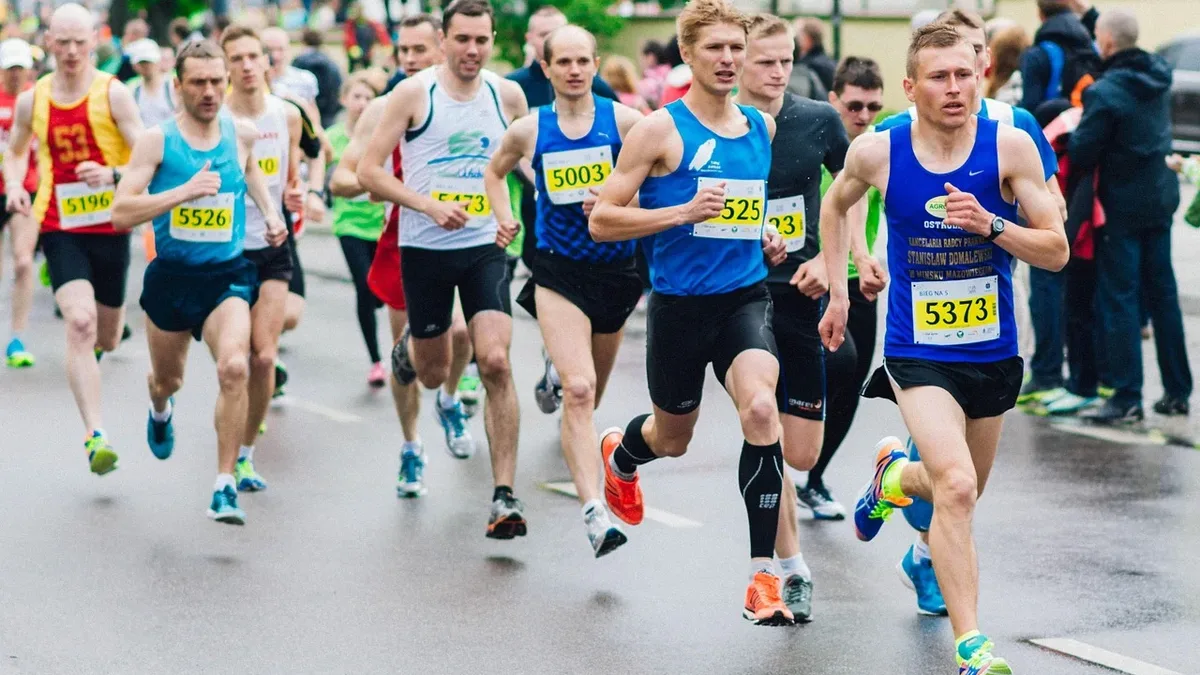
London Marathon 2027 race order set by rock
The 2027 London Marathon will be held over two days, with elite men racing on Saturday, April 24 and elite women on Sunday, April 25, as determined...
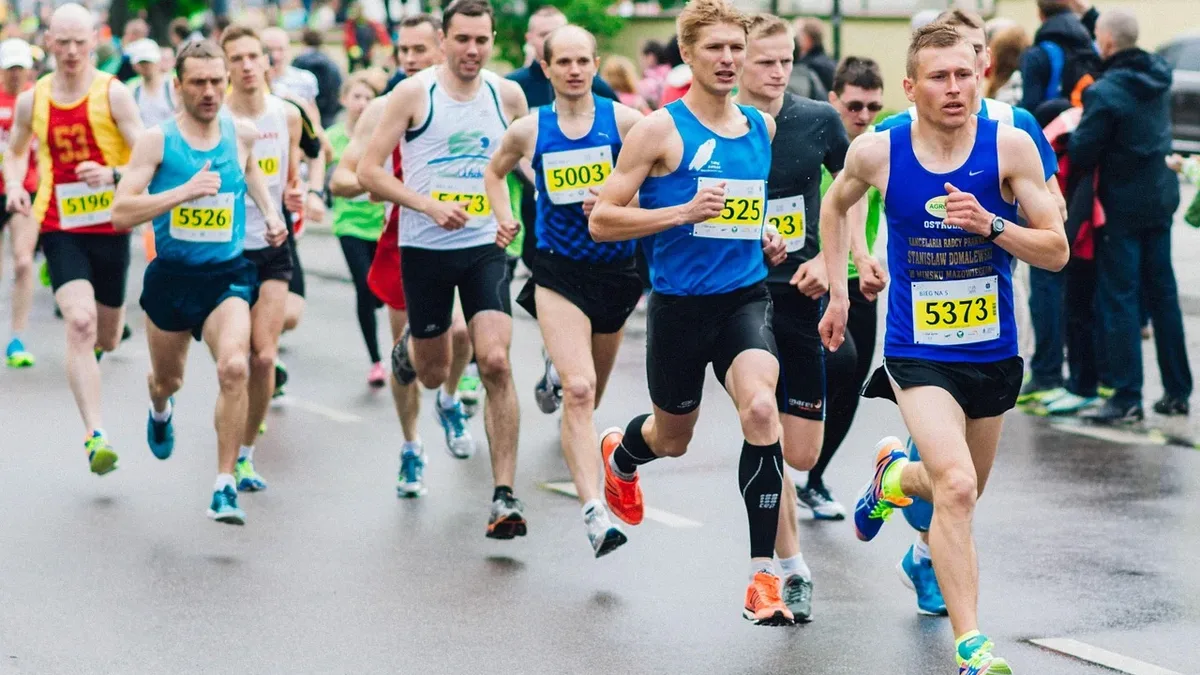
Guye Adola wins Berlin Marathon with PR as Ethiopia sweeps
Ethiopia's Guye Adola won the Berlin Marathon in a personal best 2:02:50, leading an Ethiopian sweep of the top three men's positions on September 27.
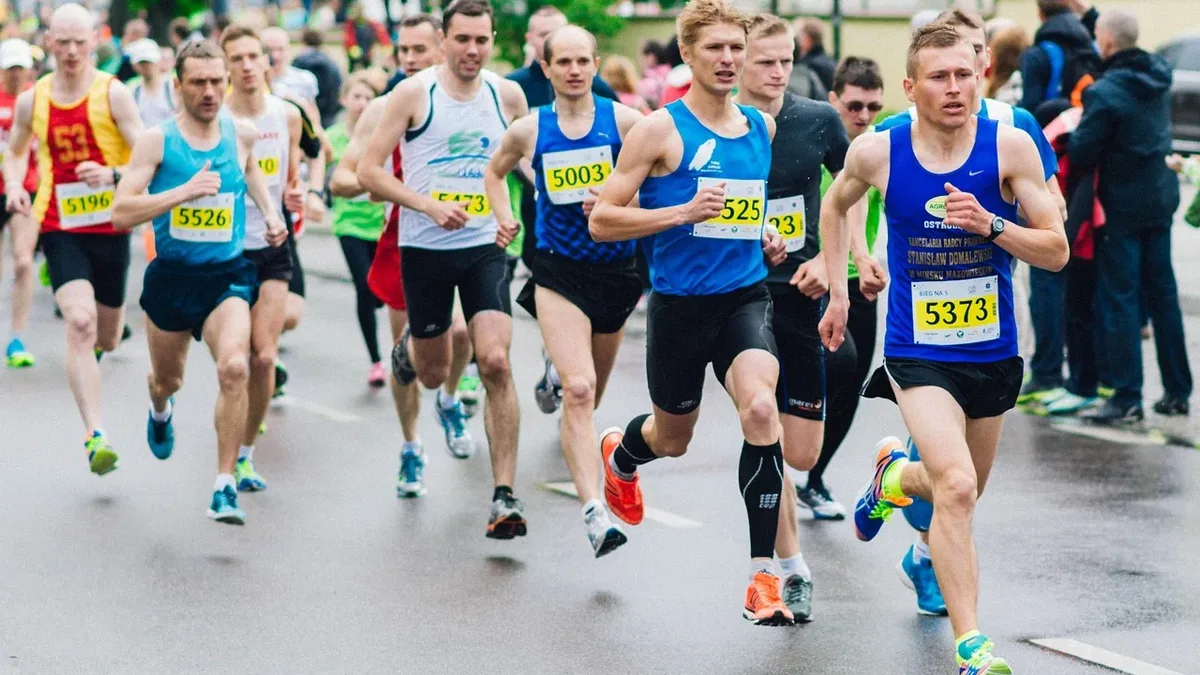
Boston Marathon 2027 Qualifying Times and Entry Numbers
A record 25,630 qualifiers were accepted for the 2027 Boston Marathon despite a tougher 5:17 qualifying cutoff, aided by a new pathway adding 1,000...

Tigst Assefa's Berlin Marathon world-record
Ethiopia's Tigst Assefa ran at world-record pace for two hours at the Berlin Marathon before a severe Achilles tendon injury in the final 1800 meters
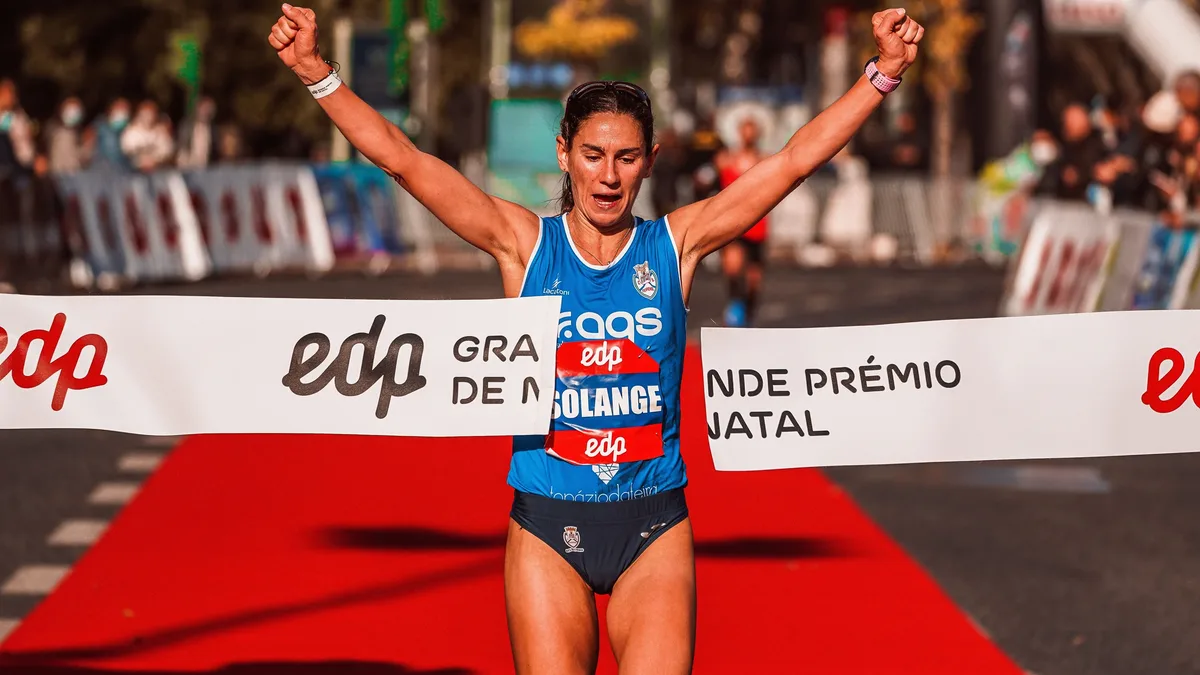
Tigst Assefa wins Berlin Marathon with ruptured Achilles
Ethiopian marathoner Tigst Assefa won the Berlin Marathon in a course record 2:11:04, the third-fastest women's time ever, despite suffering a...