Fabricated 1928 race report banned women
False reports of mass collapse after the 1928 women's 800m were used to justify a 32-year ban on women running Olympic distances over 200m.
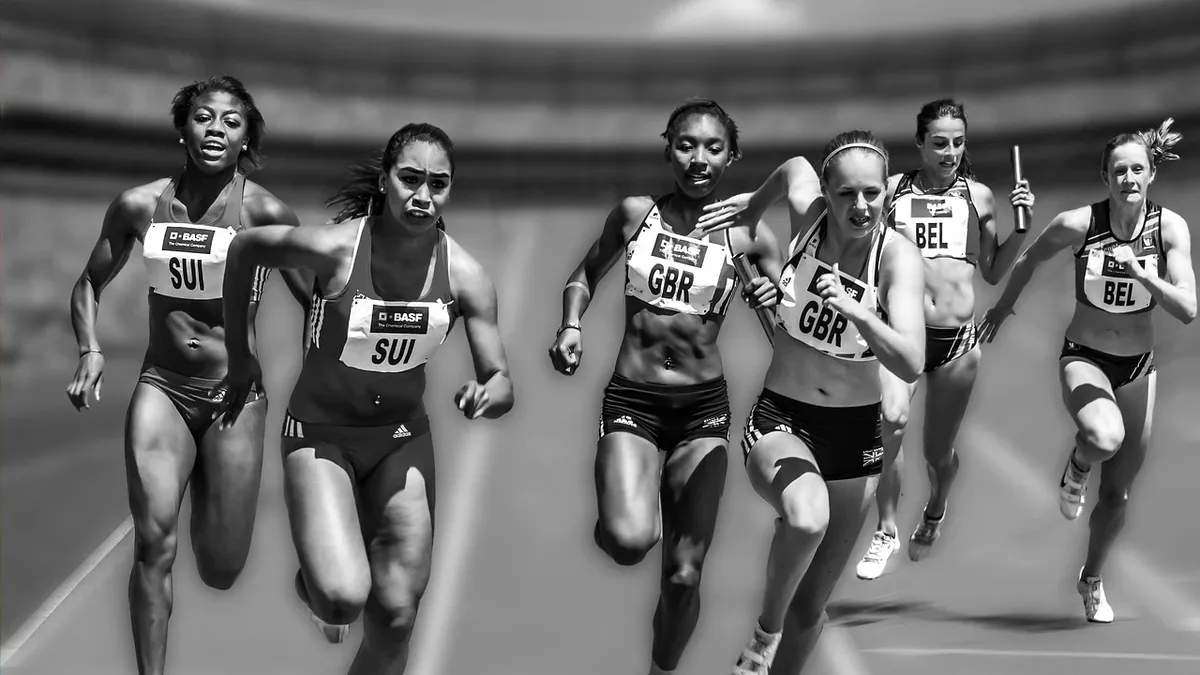
The first women's Olympic 800-meter race at the 1928 Amsterdam Games led to a 32-year ban on women running distances over 200 meters. This ban was based on fabricated newspaper stories that claimed most competitors collapsed, a narrative contradicted by race footage and athlete testimony.
Prominent newspapers falsely described a scene of distress. The Chicago Tribune reported American Florence MacDonald needed to be "worked over" after "falling onto the grass unconscious." Wythe Williams of the New York Times wrote that six runners fell "headlong into the ground." John Tunis of the New York Evening Post claimed five "wretched women" dropped out.
The reality of the 1928 race
Video and records from the event show a different story. All nine athletes finished the race. The first three runners finished under the world record. One athlete tripped and fell at the finish line but was quickly helped to her feet. There was no mass collapse and no one was carried off the track.
In 2001, historians visited 92-year-old Florence MacDonald, who finished fifth. She denied the collapse rumors. "That's not true!" she said. "They could have run another race. It seems to me that we were as fresh when we finished as we were when we started."
Immediate consequences and a sexist backdrop
The false reports had immediate repercussions. Days after the race, the International Amateur Athletic Federation held a vote on whether to keep the women's 800 meters in the Olympics. They voted 12 to 9 to reject it. This vote went against the advice of a Dr. Bergmann, who stated that "competitive athletics is not injurious to women."
His view was an outlier. Other media and officials used the fabricated story to argue women were not physically capable. The Montreal Daily Star declared the distance would make women age prematurely. The New York Times stated it was "obviously beyond women's powers of endurance." This sentiment aligned with the existing prejudices of Olympic founder Pierre de Coubertin, who called women's inclusion "impractical, uninteresting, unaesthetic, and improper."
Women's participation in the 1928 athletics program was already limited. Activist Alice Milliat had pressured the IOC to include ten events, but by the start of the Games, only five remained.
| Event | Included in 1928 Women's Athletics? |
|---|---|
| 100 meters | Yes |
| 800 meters | Yes (removed after 1928) |
| 4x100-meter relay | Yes |
| High jump | Yes |
| Discus throw | Yes |
A decades-long impact
The ban extended far beyond the Olympics. In the United States, the Amateur Athletic Union used the media coverage to ban women from all distance races. The women's 800 meters was not reinstated at the Olympics until 1960. It then remained the longest distance for women until the 1500 meters was added in 1972.
Pseudoscientific ideas about women's endurance, fueled by the 1928 fiction, persisted. They continued to restrict women's running opportunities well into the 1980s. The ultimate barrier fell with the introduction of the Olympic women's marathon in 1984.
The false narrative itself proved enduring. Media outlets were still recounting the story of mass collapse inaccurately as recently as 2016.