Run/Walk Method Helps Runners Race Faster
Using planned walk intervals during runs can help combat fatigue, lead to faster times, and enable longer distances, per experts and a 2016 study.
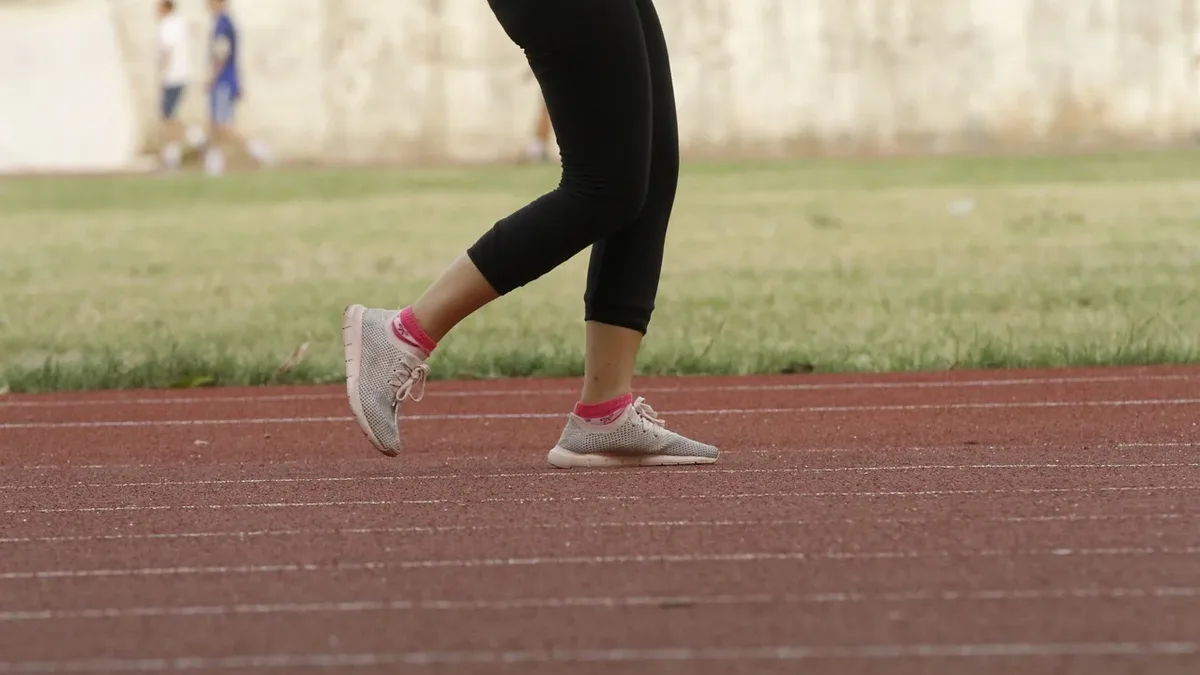
The run/walk method, which involves adding precisely planned walk intervals to runs, can help runners fight off fatigue and clock faster finish times. A 2016 study published in the Journal of Science and Medicine in Sport found that marathoners using the method reported less muscle pain and finished with similar times compared to those who only ran. For more detailed performance stats, runners can review various training outcomes.
Ultramarathoner Marc Burget, a 52-year-old official Galloway Pacer and Florida’s 2025 Ultrarunner of the Year, credits the strategy for his success. He won the 2025 Pinellas Trail Challenge 46-miler in 5:48:19, more than 20 minutes ahead of the second-place finisher. "Instead, putting walks in my race plans allows me to go the whole 100 miles without becoming tired," Burget tells Runner’s World.
Myth: Only Slow Runners Use It
A common myth is that only slow runners use the run/walk method. Chris Twiggs, chief training officer for Galloway Training, disputes the idea of "banking time" during a race. "The bank that does exist is the bank of energy. When you walk during your run, you are investing in the bank of energy," Twiggs tells Runner’s World.
Burget's own experience evolved with the method. On his first 100-mile attempt, he walked about 20 miles due to exhaustion. After training with run/walk intervals, he cut his walking down to 10 to 15 miles using just 30-second walk breaks. Now, his ultras typically include eight to 10 miles of walking using specific intervals.
Using Run/Walk to Get Faster
Practicing the run/walk method can help runners achieve personal records. The key is to make run intervals faster to compensate for the walk breaks, maintaining an overall target pace.
Burget and Twiggs recommend using a "Magic Mile" test to establish a baseline and set appropriate run/walk ratios. Generally, the faster your goal pace, the longer your run intervals should be. Beginners can start with 30 seconds of running and 30 seconds of walking.
| Goal Pace (min/mile) | Suggested Run Interval | Walk Interval | Run Pace During Interval (approx.) |
|---|---|---|---|
| 8:00 | 3 minutes or 0.9 miles | 30 seconds | 7:40 pace |
| 10:00 | 90 seconds | 30 seconds | 10:20 pace |
| 11:00 | 3 minutes | 40 seconds | 10:20 pace |
Burget has run a 2:50 marathon by alternating six-minute runs and 15-second walks. He says it took months to find his optimal ratio. To improve your average pace, test with another Magic Mile and then adjust by speeding up run intervals, extending them, or shortening walk breaks.
Myth: Only Beginners Take Walk Breaks
Another misconception is that only beginners take walk breaks. There are no statistics on usage, but proponents come from all ages and fitness levels. Both Burget and Twiggs are ultrarunners, a pursuit less than 1 percent of Americans engaged in during 2025. This elite group often uses the method to manage injuries and sustain high mileage.
Planning an effective run/walk strategy requires practice, often attracting experienced athletes. Burget times his walks to coincide with hydration stops and elevation changes in ultras to maximize running potential.
Run/Walk to Race Stronger
Studying a race course is crucial for an effective run/walk plan. Experts advise aligning walk breaks with water stations and hills to conserve energy.
"Walking hills is smart because we want to do what we can to conserve our energy," says Twiggs. Running uphill in a race can slow overall pace due to the high effort, whereas planning to walk ascents can preserve energy for faster running elsewhere. Twiggs recommends entering a race with a specific walk-break plan rather than slowing down arbitrarily.
Myth: It Limits Race Opportunities
The final myth is that run/walking limits race opportunities. Because walking is less intense, it gives the heart, muscles, bones, and joints a break, depositing energy back into Twiggs's "energy bank."
This can allow runners to tackle longer distances. Burget points to his 2023 feat of running seven marathons in seven consecutive days, aiming for sub-three-hour finishes each time. While he ran just over three hours in two races, his other times ranged from 2:52:15 to 2:58:57. "I used the same interval for each race," Burget says, "a 20-second walk during each mile."
**Run/Walk to Go Longer**
When experimenting with intervals, runners should assess if they feel capable of increasing their typical run distance or duration. To progress, maintain your pace and ratio but add more intervals to extend total duration and distance. The built-in recovery can make this feel easier than continuous running.
In addition to managing fatigue, the method's structured breaks provide mental and physical respite, supporting more frequent or ambitious racing, as seen in various event standings.