Runner Improves HRV for Best Training Block
A runner used heart rate variability data from a Garmin watch to identify overtraining and poor recovery, leading to a successful training block after
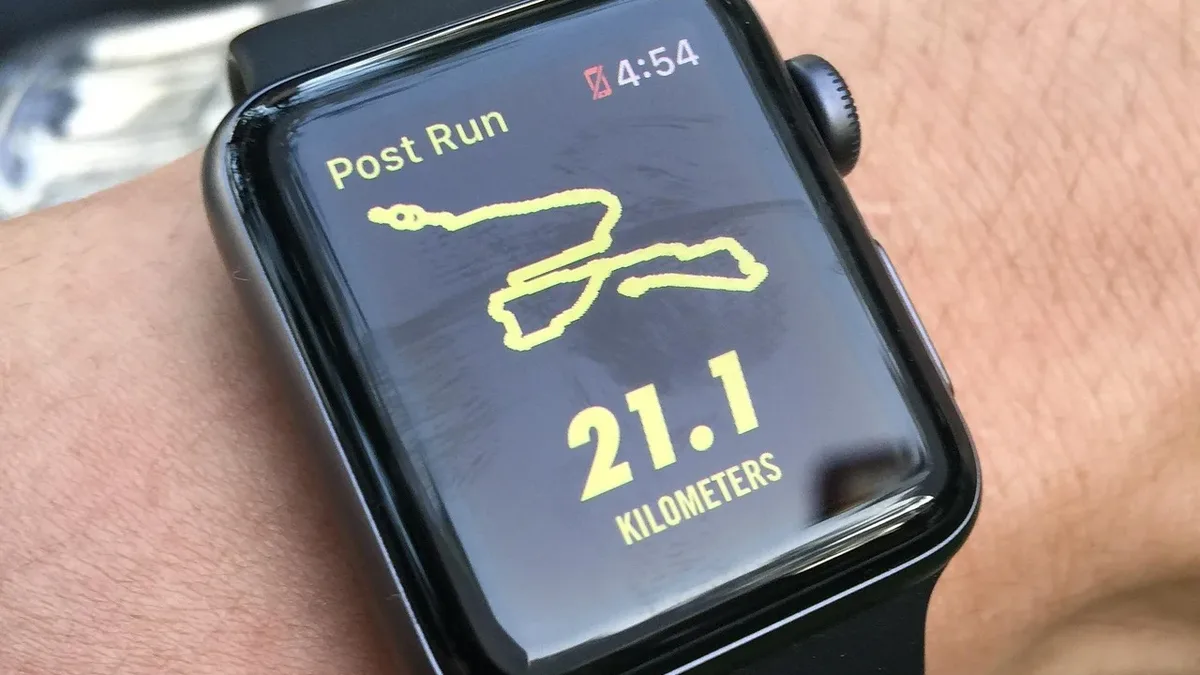
A runner used heart rate variability data to identify overtraining and poor recovery, leading to a successful training block. The runner's HRV was consistently low in February, often below a personal Garmin baseline of 34 to 42 milliseconds, while coworkers reported scores around 50 or 70.
This report is based on a first-person account from Runner's World. The runner decided to investigate HRV after a five-day stretch where the measurement stayed around 32 milliseconds and they felt unwell.
What Is HRV
HRV measures the time between heartbeats and indicates how well the nervous system balances stress and recovery. According to health.com, the normal range for healthy adults is 19 to 75 milliseconds, with genetics accounting for 50 to 60 percent of individual differences. A higher number is generally better. A lower number can signal stress, fatigue, poor sleep, or inadequate recovery. Harvard Health Publishing states that exciting events, like getting engaged, can also negatively affect HRV.
How to Measure HRV
The most accurate measurement comes from an electrocardiogram, but wearables provide a good estimate. Garmin's Lead Product Manager, Joe Heikes, explained that HRV is personalized and recalibrated based on a large amount of data. Garmin captures data in 5-minute windows during sleep and requires a 3-week calibration period to establish a normal range. It then uses 7-day rolling averages against that personal baseline.
Dr. Tamanna Singh, director of the Sports Cardiology Center at the Cleveland Clinic, advises measuring your baseline during low-stress periods like base training or post-race recovery. During these times, consistent sleep, nutrition, and recovery create a solid reference point. You can then analyze significant HRV fluctuations during intense training to see if routine adjustments are needed. For more on managing athlete loads, see our stats page.
When to Worry About HRV
An isolated low HRV reading is not particularly helpful, says Dr. Singh. Concern is warranted if metrics are consistently off for a week or two. At that point, she recommends assessing sleep, nutrition, hydration, stress levels, and training load. Reasons for a decline can include alcohol consumption.
Since baseline ranges are wide and individual, Singh counsels patients to first evaluate how they feel. Are they rested, energized, or fatigued? She recommends tracking training the old-fashioned way, with a journal or blog, to understand bodily signals before checking wearable data. If you are truly worried about your heart, Singh says it is better to get checked by a doctor. Teams monitor similar wellness metrics, which can be tracked alongside injuries.
How to Improve HRV
Lifestyle factors play a major role in HRV. Key culprits include stress, dehydration, lack of rest, and insufficient sleep.
Dehydration forces organs to work harder. According to the Cleveland Clinic, it reduces blood volume and increases blood thickness, making the heart beat faster.
Lack of rest from illness or chronic under-recovery can lower HRV for weeks. Dr. Singh notes that the harder your body works to deal with an impact, the longer your HRV may be affected. Sustained downward trends are signals to reevaluate training load.
Poor sleep can lower HRV by activating the body's fight-or-flight stress system, according to a 2025 review in Frontiers in Neurology. Runner's World recommends getting 7 to 9 hours per night and adding one minute of sleep for every mile run per week.
The runner focused on improving HRV as a measurable goal. After a two-week vacation with ample sleep, their Garmin reported an HRV of 47, which was unusually high for them. The runner's baseline eventually adjusted to 42 to 55 milliseconds, up from 34 to 42, with nightly readings often in the high 40s.