Track World Records by Lane
A 2026 compilation details the fastest known performances for each lane in curve events like the 200m and 400m, highlighting the rarity of elite marks from
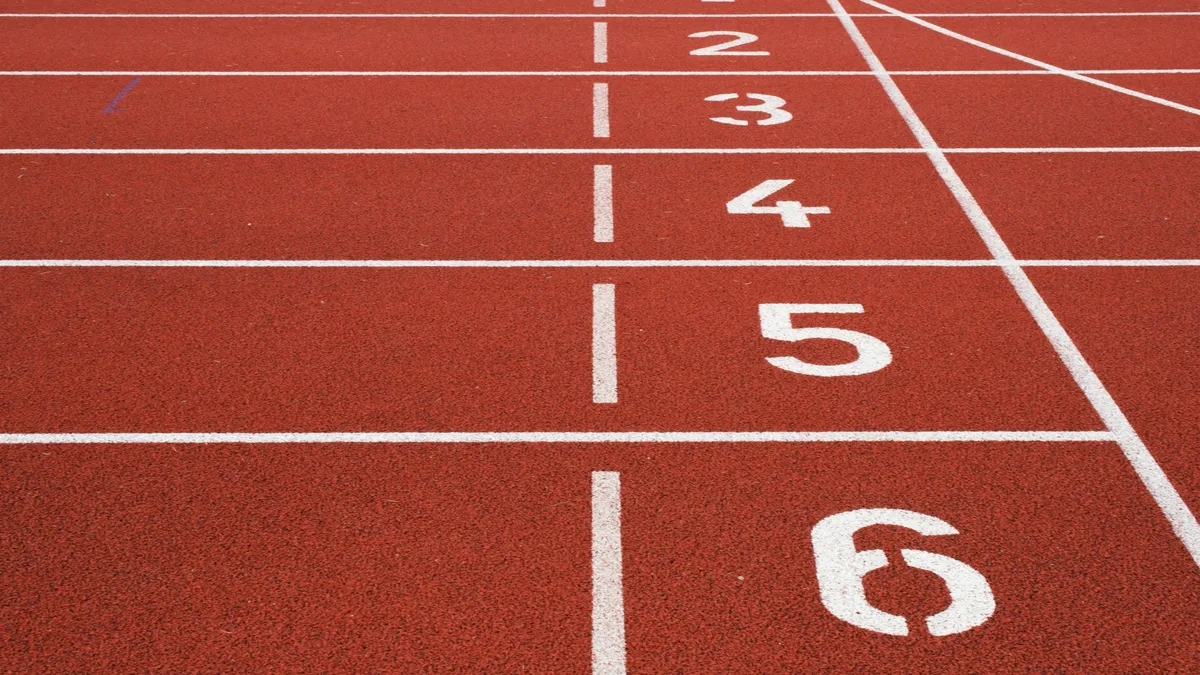
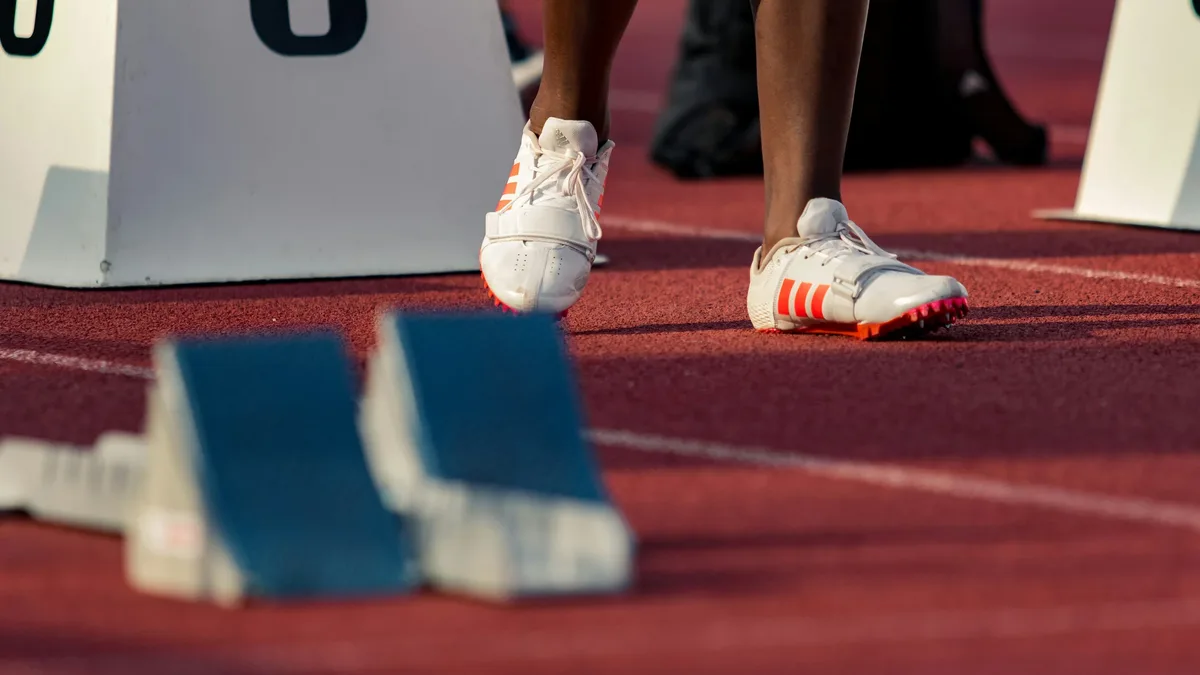
A new compilation, updated in August 2026, lists the world's best known performances achieved in each individual lane for track events run around a curve. The project covers the 200 meters, 400 meters, 400-meter hurdles, and the 4x100-meter relay for both men and women.
Unlike typical athletics research that seeks the single fastest time, this effort required a process of elimination to confirm the best mark for lanes one through nine. The compiler, Jed W. Brickner, states a high degree of confidence in the listed records, though absolute certainty for every mark has not yet been achieved.
Compilation Methodology
The method involved first setting a tentative "record" for each lane based on preliminary research. The next step was to identify the specific lane used for every performance that surpassed that tentative record. Only by confirming the lane for every potential record-breaking mark could the results be considered fully verified.
This task is complicated because elite athletes are rarely assigned outer lanes in major invitational meets. Since 1988, Olympic and World Championships protocols have placed the top performers from prior rounds in lanes three through six. Before that, lane draws were random.
Consequently, many superior performances can be logically ruled out as lane records. For instance, numerous men's 200-meter times are faster than the 20.04-second lane-one record, but they are highly unlikely to have been run from that inside lane.
The Impact of Lane Placement
Marquee athletes are almost never asked to run in lanes one, eight, or nine at invitational meetings. A notable exception was Michael Johnson's preference for lane two in the 400 meters during the early 1990s. Generally, top competitors are placed in the middle of the track.
This placement bias means the records for outer lanes are often significantly slower than the overall world record. The research relied on global assistance to fill data gaps, particularly from high-quality meetings like the Weltklasse in Zürich.
You can explore more detailed stats from various competitions to see how lane assignments influence outcomes. The compiler acknowledges help from numerous federations, meetings, and individuals worldwide, including key contributions from Richard Hymans and Andreas Brügger.
Acknowledgments and Sources
Substantial assistance for the project came from track authorities in Sweden and Japan, covering specific periods and events like lane-nine marks and recent Olympic Games. The compiler also credits YouTube as a valuable resource for verifying performances.
The inspiration for the work came from the compiler's late friend, Bert Nelson. A full list of contributing federations, meetings, and individuals is provided in the source. Amendments to the compilation can be sent directly to the compiler at jedbrickner@gmail.com.
For a broader view of how these records fit into the competitive calendar, check the latest fixtures. The copyright for the compilation is held by Jed W. Brickner from 1984 through 2025.