Edmonton Marathon mismeasured due to calculation error
A mathematical error during a construction adjustment added 700 metres to the Servus Edmonton Marathon course, an outlier in a stringent global measurement
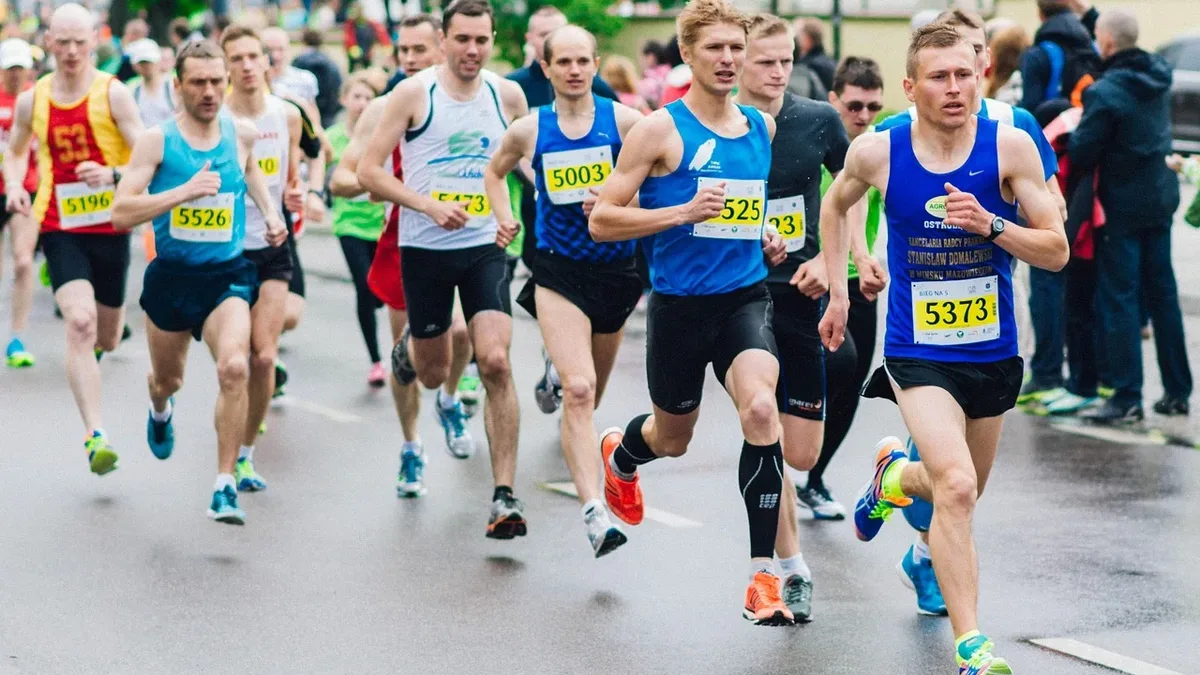
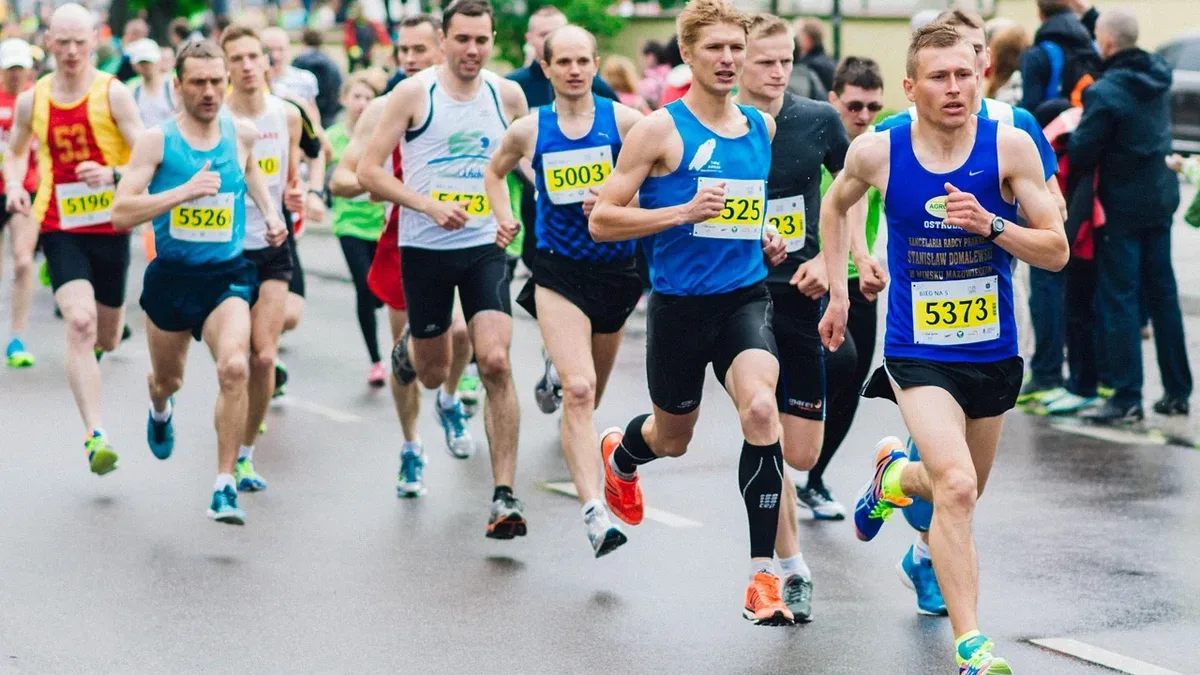
A mathematical error during a construction adjustment added roughly 700 metres to the Servus Edmonton Marathon course. The incident, which became an international talking point, was an outlier within a stringent global measurement system overseen by World Athletics.
The problem originated when construction along Jasper Avenue forced a detour. For an out-and-back marathon course, the detour distance needed to be accounted for in both directions. Rory Linkletter, who first reported the issue, explained that this calculation was missed.
Chris Winter, director of Athletics Canada, told Canadian Running that the remeasuring process for construction is very common, especially in big city marathons. "The system is very strong, and World Athletics sets the standard; this was an outlier," Winter said.
The global measurement standard
World Athletics sets the standard for certified courses, a system that is stringent and well-established worldwide. For race times to be accepted by the governing body, courses must be measured by an A- or B-certified measurer, who must also be present on race day.
The current system, tested and refined over decades, does not use GPS for official measurements. It relies on a mechanical Jones counter attached to a bicycle's rear wheel. Before use, the counter must be calibrated on a fixed, pre-measured course to ensure accuracy.
Once calibrated, the measurer rides the race course twice. Systems are in place to guarantee a course is slightly long-for example, adding 10 extra metres to a 10K-to ensure runners do not run short of the official distance.
The certified measurers
In Canada, only about 15 people hold the top A-rated measurer certification. Paul Adams, a measurer from B.C. Since 1996, is one of them. "I signed up to be a measurer because I had an interest in making sure courses were the right distance," Adams told Canadian Running. He continues the work to give back to the road racing community.
Becoming a certified measurer is not simple. Athletics Canada hosts only a handful of seminars each year, often in different parts of the country, making training difficult to access. The organization is developing an online program for initial training, while hands-on instruction remains led by certified experts like Adams.
Local, or C-level, races like a 5K can be measured by anyone using a Jones counter. Their measurements and map are then submitted to Athletics Canada for certification review by an A-rated measurer.
A demanding role
The job of a course measurer involves significant behind-the-scenes work. For big city marathons, measurers are often riding on highways at 2:00 a.m., sometimes in the wrong direction or in winter conditions.
Chris Winter calls it a thankless job, noting that most measurers in Canada are not compensated well and do it out of love for the sport. Measurers receive a modest honorarium. Paul Adams, however, sees it differently, noting that race organizers are always keen to ensure accuracy and that he enjoys the precise engineering work.
Due to medical issues, Adams has not measured a course this year, but he still conducts seminars and evaluates measurements submitted by others to Athletics Canada. His work ensures even local 5Ks are the proper distance.