Nike Structure Plus and Pegasus Trail Top Running Shoe Guide
The Nike Structure Plus and ACG Pegasus Trail are named Best Super Stability Trainer and Best Value Trail shoe in an updated guide.
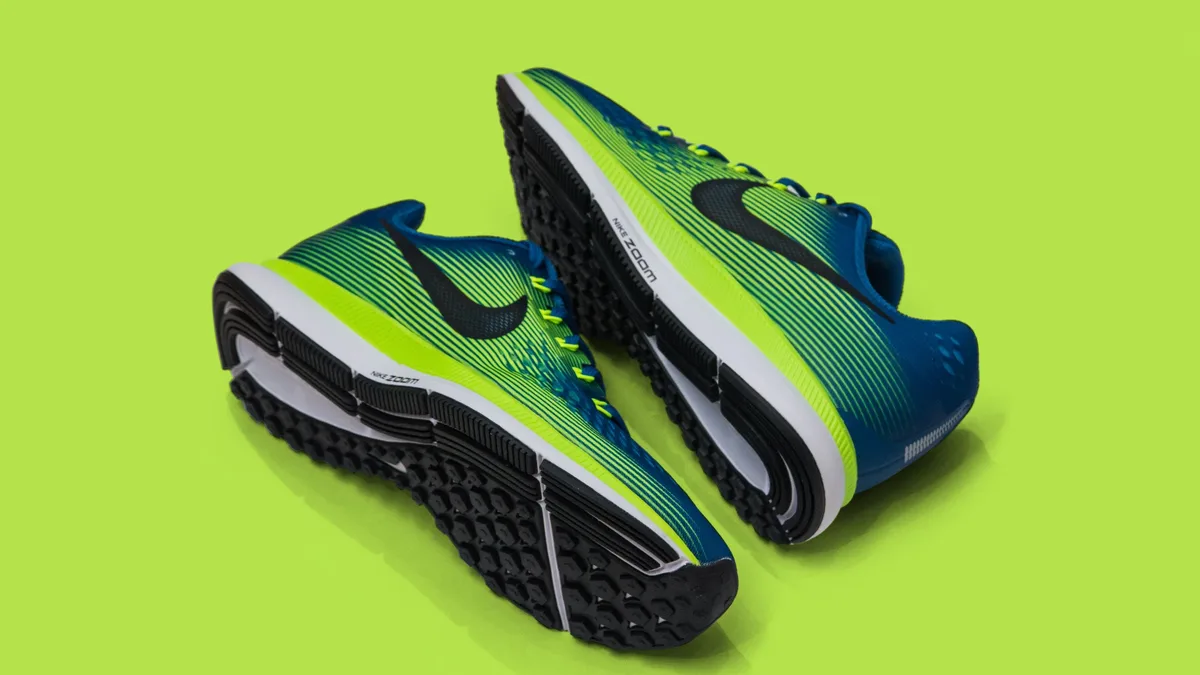
Nike’s Structure Plus and ACG Pegasus Trail have earned top honors for stability and value in a major running shoe guide update. The guide, focused on recommendations for heavy female runners, highlights these models alongside the Vomero line and the Alphafly 3 for marathon racing.
The ACG Pegasus Trail is named Best Value Trail shoe. The Structure Plus takes the title of Best Super Stability Trainer. Both shoes feature advanced foam technologies and updated designs.
Structure Plus uses a dual-foam system with ReactX on the bottom and ZoomX PEBA foam on top. It has a 42mm stack height, which is 4mm taller than its predecessor, the Structure 26. The design includes a widened platform and a convex flat sidewall with dense cushioning under the arch. For daily training, the Pegasus 42 features a full-length Air Zoom unit in the midsole and is available in an extra-wide fit.
Vomero line offers soft, stable options for daily and recovery use
Nike's Vomero 18 and Vomero Plus provide cushioned, neutral rides for daily and recovery runs. The Vomero 18 has a broader midfoot than traditional Nike lasts. Its cushioning is described as über-soft and is noted for not causing ankles to turn inward. It serves as a long-run trainer, daily trainer, and recovery shoe, with its cushioning compared to Brooks's Glycerin Max.
The Vomero Plus uses 100% ZoomX foam in its midsole. It is lighter and slightly shorter than the Vomero 18. Heel stack heights are substantial across the line.
| Model | Heel Height | Key Midsole Foam |
|---|---|---|
| Vomero 18 | 44mm | Not specified in detail |
| Vomero Plus | 43mm | 100% ZoomX |
Casey Green, a tester, said, "Hands down these are the best shoes I’ve tested!" Another, Michael McDonough, stated, "The Nike Vomero Plus is one of, if not my favorite shoe that I’ve tested so far."
Alphafly 3 remains a top marathon choice ahead of 2026 successor
The Alphafly 3 continues to be listed as the Best for Marathon Racing Nike running shoe. It features a full-length carbon-fiber Flyplate, PEBA-based ZoomX foam, and dual Zoom Air units. Its stack height sits just under the World Athletics limit of 40mm. The shoe remains available as of September 24, 2026, with the Alphafly 5 set for release on October 29, 2026.
Guide updates reflect evolving standards for heavy female runners
The revised guide, titled 'Best running shoes for heavy female runners', was updated on September 18, 2026. It added a 'Key considerations' section and a 'Top recommendations summary' module. The guide now contains 16 different recommendations grouped by use cases: daily runs, 10Ks and marathons, overpronators, and trail.
Its recommendations are based on influence-free, expert-led wear-testing combined with biomechanical data from over 33,000 high-speed images captured during actual road races. The guide explicitly excludes several popular models due to stability concerns for this runner demographic. The Asics Superblast 3 was left out for risking a negative drop, the Brooks Hyperion Max 4 for lateral or medial instability, and the New Balance 1080 v15 for risking midsole bottoming out.
The guide advises heavy female runners to avoid pillowy-soft shoes and traditional stability shoes with a biased ride, like the New Balance 860 v15. It makes an exception for the Saucony Guide 19, a traditional stability shoe recommended for its inherent stability and neutral ride flavor. The medial post bias in modern stability shoes is noted as being less intrusive than in past models.
For context, the guide also provides detailed specifications for other recommended models.
| Model | Heel Stack | Forefoot Stack | Drop | Weight | Widths |
|---|---|---|---|---|---|
| Asics Nimbus 28 | 42.5 mm | 34.5 mm | 8 mm | 242 g | Regular, wide |
| Hoka Mach X 3 | 44 mm | 39 mm | 5 mm | 244 g | Regular, wide |
| Saucony Guide 19 | 35 mm | 29 mm | 6 mm | 289 g | Regular, wide |
| Nike Zegama Trail | 36 mm | 32 mm | 4 mm | 271 g | Regular |
Nike's history in running innovation dates to its co-founding as Blue Ribbon Sports by Bill Bowerman and Phil Knight in the early 1960s. Bowerman famously customized shoes using a waffle iron, a process that occurred either in the early 1960s or in 1971, the year the company was renamed Nike. In the past decade, shoes like the Vaporfly 4% prompted new World Athletics guidelines and aided world records, such as Kelvin Kiptum's 2:00:35 marathon in Chicago in 2023. The latest guide's findings are rooted in that same pursuit of performance through rigorous, data-driven analysis.