Resistance Bands Guide for Runners
Runner's World experts detail the benefits and types of resistance bands for runners, recommending them for strength training, dynamic stretching, and
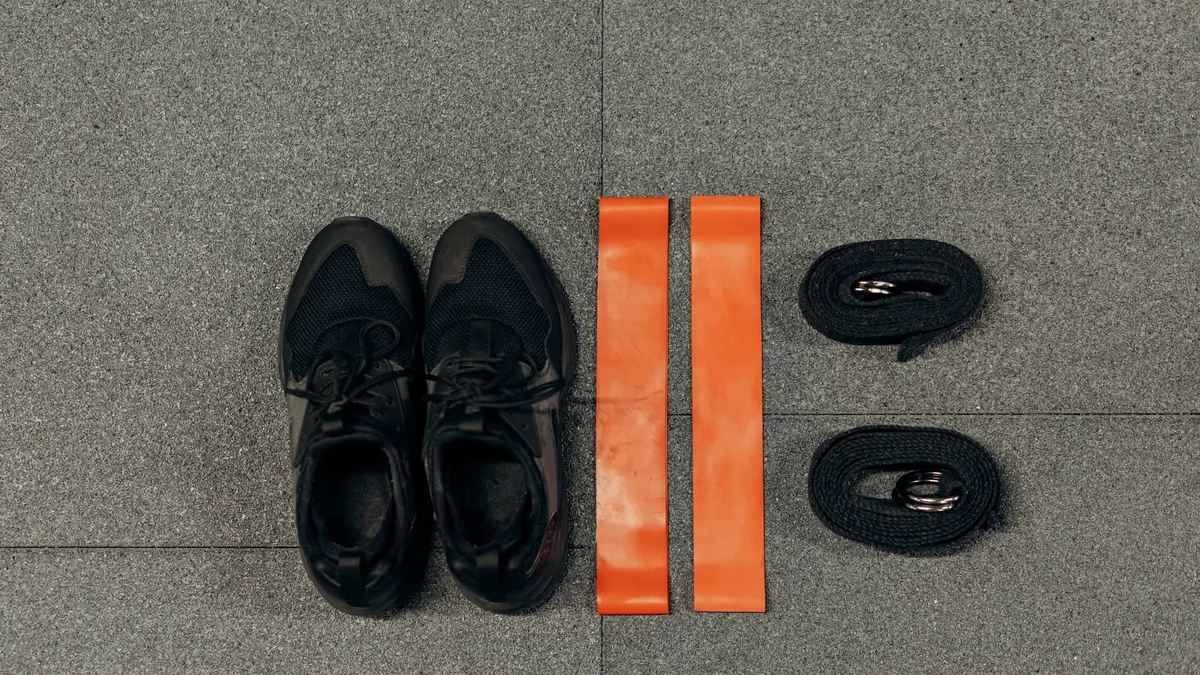
Resistance bands are a versatile and portable tool that runners should consider adding to their fitness regimen. According to certified personal trainer Amanda Capritto, they are a phenomenal tool for dynamic stretching, injury rehabilitation, and easing into strength training with proper form before moving to heavy weights.
Runner's World gear experts Michael Charboneau and Amy Schlinger compiled this guide based on testing, research, and input from certified trainers. They highlight the bands' safety, affordability, and portability as key benefits, especially for workouts while traveling.
How Resistance Bands Work
Unlike free weights, resistance bands provide progressive resistance based on elasticity. The farther you stretch the band, the more resistance you experience. Certified personal trainer Amanda Capritto notes this provides a unique challenge to the musculoskeletal system compared to free weights.
There is no standard rating system for resistance levels. Bands may be listed by a static level, a dynamic range, or relative terms like "light." They are often color-coded, but each brand uses a different scheme. Experts advise comparing by weight or difficulty level, not color.
Types of Resistance Bands
Experts identify four main types of resistance bands, each suited to different exercises.
Looped Bands: Also called superbands, these rubber loops typically offer the highest resistance. Capritto recommends them for compound exercises like squats, shoulder presses, and chest presses. She suggests looking for a length of about 40 inches for exercise flexibility.
Tube Bands: These are tubular elastic segments with carabiners or handles at each end. You anchor them to a stationary object, like a pole, and pull on the handles. Capritto says they are great for lateral movements, such as reverse flys or lat pull-downs when anchored to a door.
Mini Bands: These are wider, thinner, and offer less resistance than looped bands. They are designed for low-impact movements and are commonly used in physical therapy for injury rehab. They can also stabilize the body during exercise or add extra resistance to a movement.
Fabric Bands: Similar to mini bands but made with a soft elastic fabric. This plush texture makes them less likely to pinch or pull on the skin when wrapped around a limb.
Construction, Durability, and Selection
Most resistance bands are made from latex, with latex-free options available. They are constructed in two ways: layered or molded. Certified personal trainer Domenic Angelino states that layered bands, though often more expensive, are generally more durable. Molded bands are less robust and more likely to snap.
With regular use, most bands last about one to two years before wearing out. Signs it's time to replace a band include loss of elasticity or visible cracks and tears.
The guide's product recommendations are based on expert testing and research, incorporating feedback from Runner's World editors. Options were selected to suit specific needs like physical therapy, as well as general products for fitness pros and beginners alike.
Expert Insights on Usage
Certified personal trainer and sports nutrition coach Amy Schlinger, who is also a NASM-certified personal trainer, uses and recommends resistance bands for clients of all ages and fitness levels. She highlights their versatility and compact size for at-home or on-the-go workouts.
Schlinger explains there is no single "best" way to use them. They can assist with stretches and mobility exercises or replace dumbbells and kettlebells for a total body workout. She outlines several advantages over free weights.
Resistance bands provide tension through an exercise's full range of motion, demanding more from muscles and recruiting more for stabilization. The increasing resistance as the band stretches adds an extra challenge. Bands also allow you to add resistance to movements where free weights are impractical, like mountain climbers.
For beginners, Schlinger advises starting light. Purchase a set that includes a low-resistance option, use the lightest band to master proper form, and then progressively increase the resistance level. The guide concludes by emphasizing the bands' role as a lightweight, compact complement to a runner's training toolbox.