Aau Junior Olympic Games
| Event type | Track and field, swimming, or other sport |
|---|---|
| Age group | Determined by athlete's age on December 31 of the competition year |
| Qualification | Through performance at AAU district or national qualifiers |
| Competition level | Local, regional, and national tiers |
| Governing body | Amateur Athletic Union (AAU) |
| Season | Primarily summer months |
| Venue | Varies annually for national championships |
Origin and history
The AAU Junior Olympic Games originate from the United States. The Amateur Athletic Union created the event in the mid-1960s. Its establishment followed the success of national AAU youth championships in various individual sports. The inaugural multi-sport gathering, which would become the Junior Olympic Games, was held in the late 1960s. It was designed as a national championship event for amateur youth athletes across multiple disciplines. The Games have been held annually since their founding, growing into one of the largest multi-sport youth events in the United States.
What it is for
The AAU Junior Olympic Games serve as the national championship competition for youth athletes who qualify through local and regional AAU events. Its primary purpose is to provide a culminating competitive experience for amateur athletes, typically aged 5 to 18, across numerous sports. The event aims to promote physical fitness, sportsmanship, and personal development through athletic competition. It functions as a pipeline for identifying young talent in various Olympic-style sports. The Games also foster a sense of community and national participation among youth from diverse backgrounds. It is not a direct feeder to the U.S. Olympic Team but is a foundational national competition within the American athletic landscape.
Overview
The AAU Junior Olympic Games is a multi-sport event held annually in a selected host city in the United States. It features competition in dozens of sports, including track and field, swimming, basketball, wrestling, and gymnastics. Athletes must first qualify by meeting performance standards at district and regional AAU-sanctioned competitions. The event spans multiple days, often over a week, with schedules accommodating the numerous age divisions and sports. Competition results are recorded as marks: times for races, heights or distances for jumps, and distances for throws, all measured under standard competitive conditions. These marks establish national champions in each event and age group for that year.
What to know
Qualification for the Games is achieved through a hierarchical system of local, district, and regional AAU meets, with specific performance standards required. The competition is divided into age divisions, often in two-year increments (e.g., 8-under, 9-10, 11-12), to ensure fair competition. All events are conducted under standard rules for each sport, with certified officials and calibrated equipment used for timing and measurement. The host city changes annually, requiring significant travel and accommodation planning for participating athletes and families. Results and national champions are officially recognized by the Amateur Athletic Union and are part of the organization's permanent records. Participation requires annual AAU membership, which provides insurance and eligibility for all sanctioned events.
Common questions
A common question is whether winning at the AAU Junior Olympic Games leads to an Olympic team spot, which it does not; it is a separate amateur youth championship. Many ask about the qualification process, which requires advancing through earlier levels of AAU competition, not simply registering for the national event. People often inquire about age verification, which is a strict process requiring a birth certificate for proof of age for division placement. Another frequent question concerns the sports offered, which extend beyond traditional Olympic events to include cheerleading, jump rope, and baton twirling, among others. Questions about the cost of participation are common, as families must cover travel, lodging, entry fees, and membership dues. Athletes and coaches often ask about the rules of competition, which generally align with national governing body rules for each sport but with AAU-specific modifications for youth divisions.
Pros and cons
The structure of age divisions and qualification meets offers a clear, progressive competitive pathway for developing athletes. A major con is the substantial financial and time commitment required from families for travel, lodging, and fees, which can limit participation to those with sufficient resources. The sheer size of the event can sometimes lead to logistical challenges, including long wait times between events and crowded competition venues. Some athletes and coaches regret the emphasis on peak performance at a single summer event, which can conflict with periodized training plans designed for long-term development. A common mistake is focusing solely on qualifying for the national event without considering the cumulative physical and mental fatigue from a full season of qualifying competitions.
Who it suits
The AAU Junior Olympic Games suit youth athletes who thrive in a large, national-championship atmosphere and who have successfully navigated the qualifying event series. It is ideal for families and clubs that are prepared for the significant logistical and financial investment required for a week-long national event. The event suits multi-sport athletes, as it allows competition in several disciplines within the same broad event framework. It is well-suited for athletes who benefit from competing within strict age divisions against peers from across the country. The Games are a good fit for athletes seeking comprehensive competition experience outside of their high school or club season schedules. They are less suited for athletes beginning a sport or those whose families cannot accommodate the substantial travel and time commitment involved.
Latest Aau Junior Olympic Games news
Latest reporting

2027 TCS London Marathon a two-day event and Olympic trial
The 2027 TCS London Marathon will be held over two days for the first time, with elite races split across April 24-25.

Cyréna Samba-Mayela faces provisional
French Olympic silver medallist Cyréna Samba-Mayela has been provisionally suspended by the Athletics Integrity Unit for three whereabouts failures...

Kriss Akabusi Interview Covers Hurdles, Relay, Foster Care
Athletics Weekly has released an exclusive interview with 1990 European 400m hurdles champion and Olympic bronze medallist Kriss Akabusi.
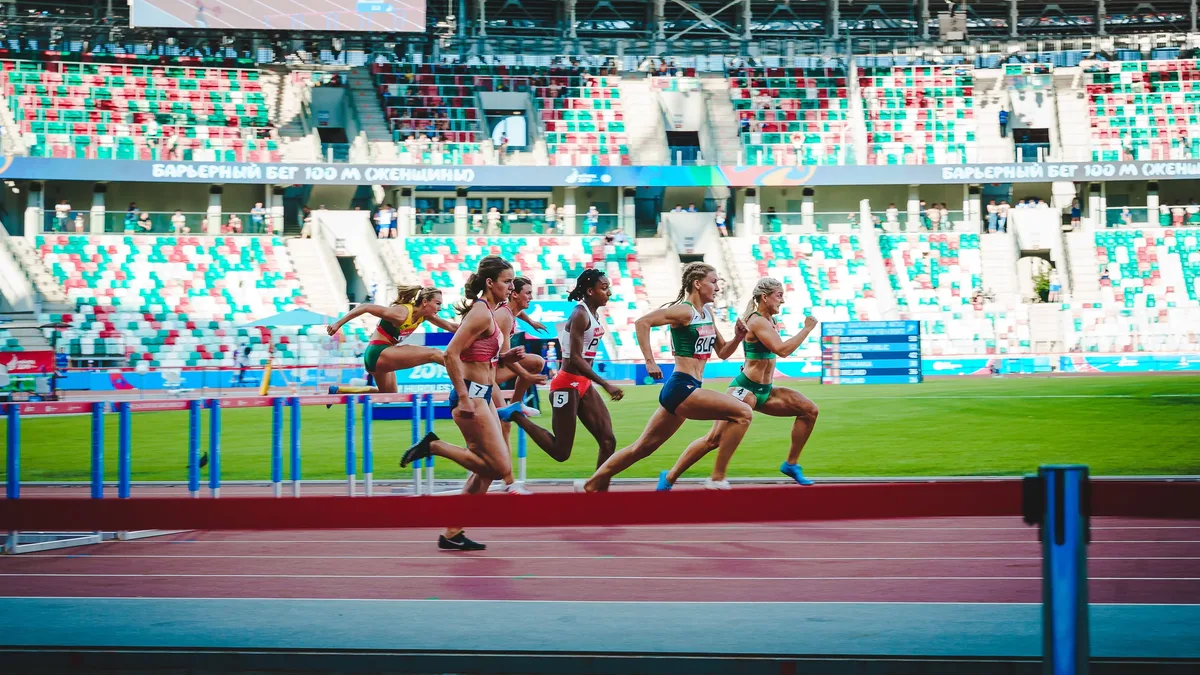
ATHLOS Women's Track Series Expands to London with $65,000
The ATHLOS women's-only professional track series holds its third event in London, featuring Olympic champions, Tiffany & Co.
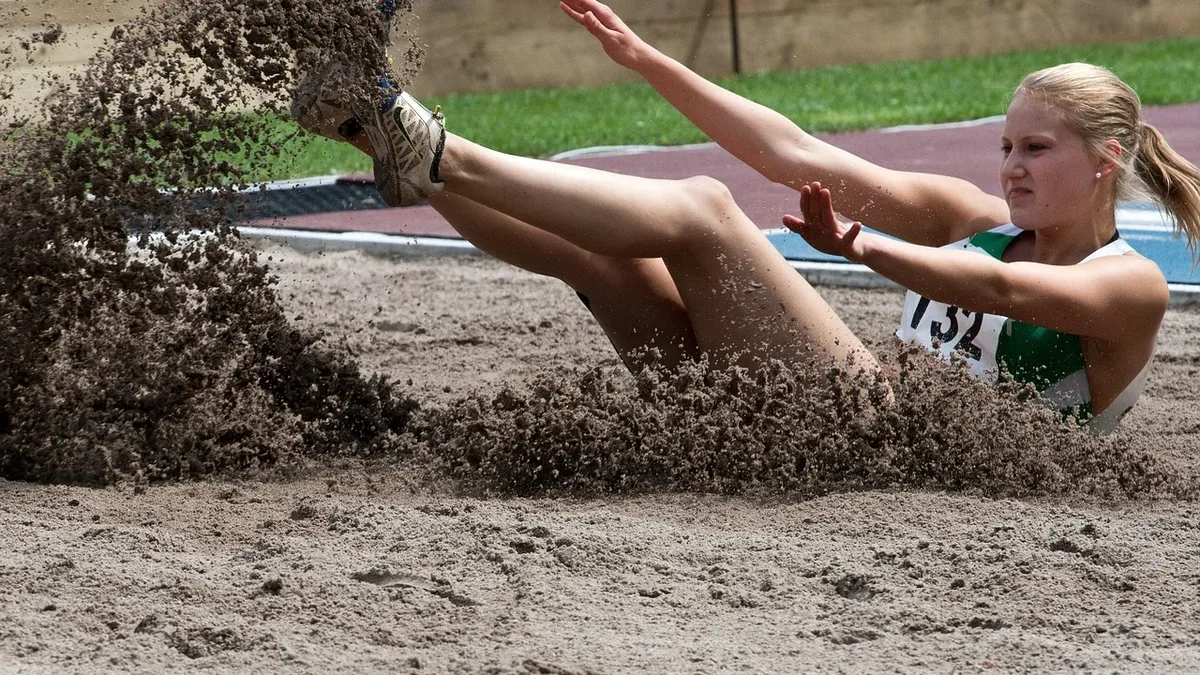
Tara Davis-Woodhall injured in car crash
Olympic long jump champion Tara Davis-Woodhall suffered a severe concussion and other injuries in a head-on collision, putting her participation in...
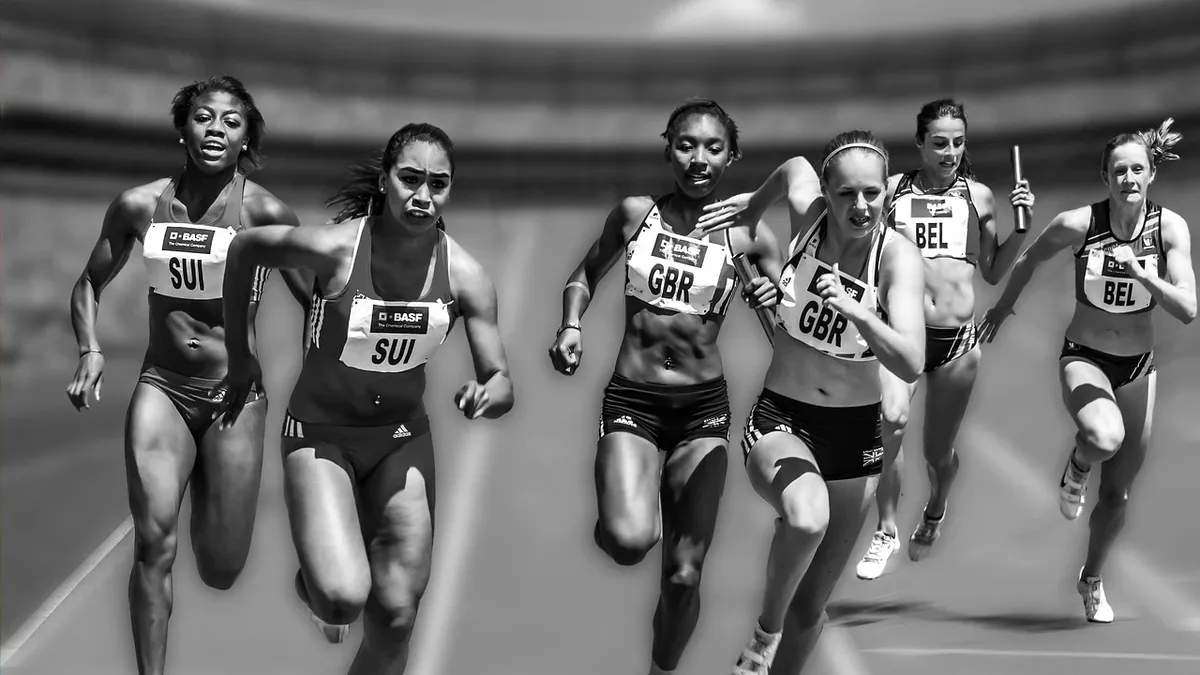
Fabricated 1928 race report banned women
False reports of mass collapse after the 1928 women's 800m were used to justify a 32-year ban on women running Olympic distances over 200m.