800 Metres
| Event type | Track and field athletics event |
|---|---|
| Distance | 800 metres |
| Lap count | Two laps of a standard 400-metre track |
| Race type | Middle-distance run |
| Start type | Standing start from a curved starting line |
| Original use | Athletic competition |
| First created | 19th century |
| Predominant strategy | Balancing speed and endurance, often involving tactical positioning |
Origin and history
The 800 metres is a standard track and field event with origins in ancient Greece, where races of approximately this distance were part of the ancient Olympic Games. The modern discipline, as a precisely measured two-lap race around a 400-metre track, was formalized in the late 19th century. It was included in the first modern Olympic Games for men in 1896, establishing its place in the core programme of international athletics. The women's 800 metres faced a longer path to acceptance, with early Olympic appearances in the 1920s followed by exclusion until its permanent reinstatement in the 1960 Olympic Games. The distance has historically been a battleground between athletes specializing in pure speed and those with greater endurance capabilities. Its development as a distinct event separate from the 400 metres and the 1500 metres solidified throughout the 20th century, producing specialized training methodologies.
What it is for
The 800 metres is a middle-distance running event contested on a standard 400-metre outdoor track, requiring athletes to complete two full laps. It is designed to test a unique blend of anaerobic power, aerobic endurance, and tactical racing intelligence over a duration typically between one minute forty-five seconds and two and a half minutes for elite competitors. The event serves as a competitive discipline in all levels of track and field, from youth meets to the Olympic Games and World Athletics Championships. Its primary purpose is to determine the fastest athlete over the precise distance of 800 metres, under standardized conditions that ensure fair comparison of performances. Races are conducted in lanes for the first turn, after which runners typically break for the inside lane, introducing elements of positioning and physical contact. Officially ratified records require specific conditions, including wind-legal measurements and the absence of pacing aids like rabbits, to ensure the mark accurately reflects a solo competitive effort.
Pros and cons
A primary advantage of the 800 metres is its hybrid nature, offering a competitive arena for athletes who possess both considerable speed and endurance, which can be a rewarding physiological challenge. The event's tactical depth, where positioning, pace judgment, and a final kick are critical, makes it intellectually engaging for both runners and spectators. However, the 800 metres is notoriously difficult to pace perfectly, and a common mistake is misjudging early speed, leading to catastrophic fatigue in the final 200 metres. Many athletes regret specializing in the 800 metres because it is exceptionally demanding, often described as a prolonged sprint that places severe strain on the lactic acid system. The discipline also carries a high risk of burnout and overtraining due to the intense combination of speed work and endurance volume required. Furthermore, runners can become "caught in no-man's-land," being not fast enough for the 400 metres nor possessing the efficient aerobic engine needed for the 1500 metres, limiting their competitive options.
Who it suits
The 800 metres best suits athletes who possess a strong natural blend of speed and endurance, often identifiable by solid performances at both 400 metres and 1500 metres distances. It is ideal for competitors who thrive in tactically complex races and can make quick decisions under extreme physical duress. The discipline suits resilient individuals who can tolerate and train through high levels of lactic acid accumulation and the associated discomfort. It is a common progression for former 400-metre runners looking to move up in distance while still utilizing their raw speed, as well as for 1500-metre runners seeking to develop a faster finishing kick. Athletes with a competitive mindset that embraces direct physical jostling and the need to hold position in a pack are well-matched to the event. Coaches often steer athletes toward the 800 metres when they demonstrate an ability to sustain a high percentage of their maximum speed for an extended period, a key indicator of middle-distance potential.
Latest 800 Metres news
Latest reporting
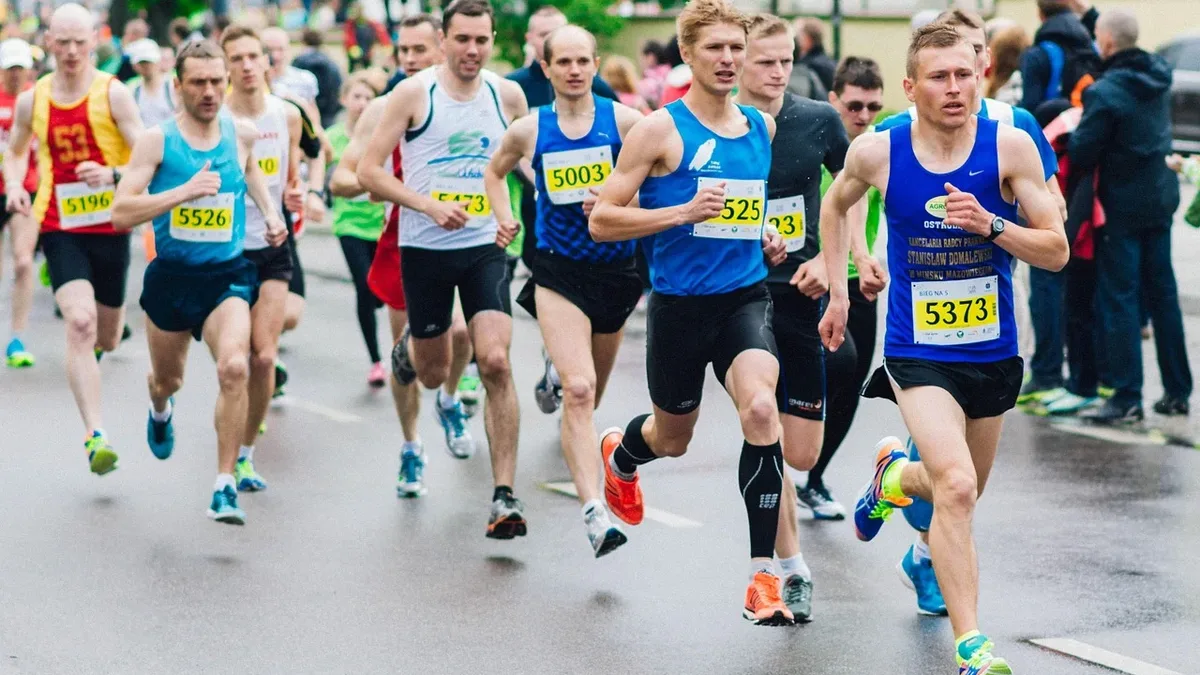
Edmonton Marathon mismeasured due to calculation error
A mathematical error during a construction adjustment added 700 metres to the Servus Edmonton Marathon course, an outlier in a stringent global...
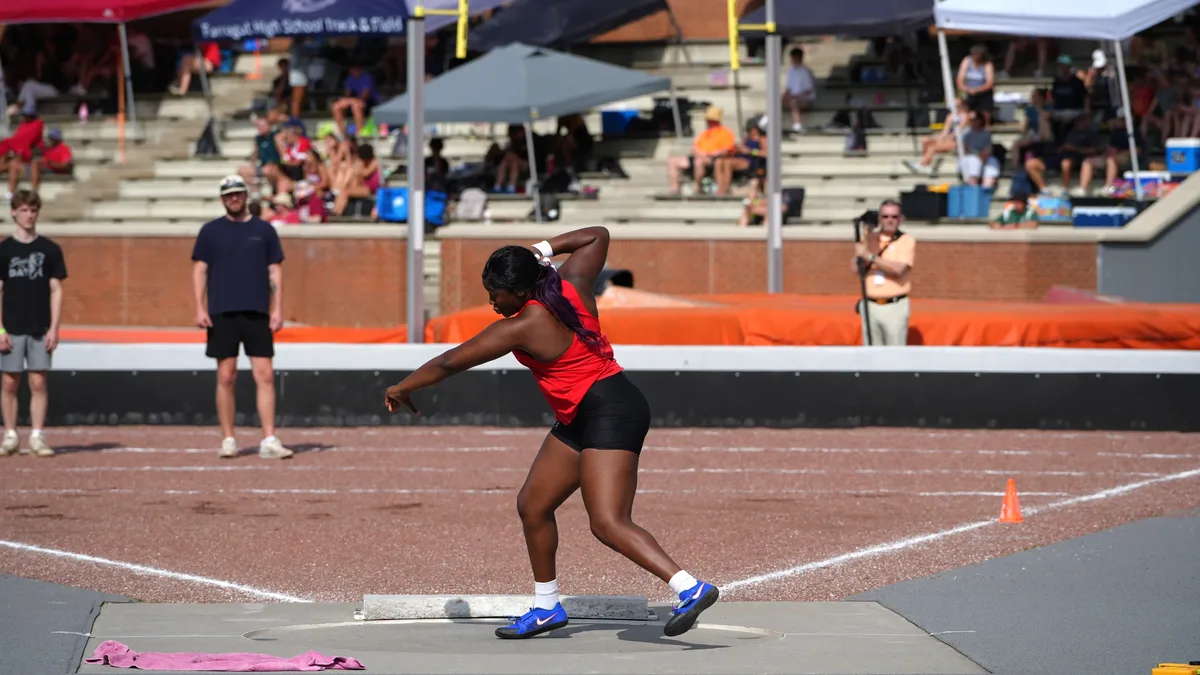
Chase Jackson sets 21.02m North American shot put record
Chase Jackson broke the 32-year-old North American shot put record with a throw of 21.02m in Berlin, becoming the season's second woman over 21...

Zurich DL: Americans eye 1500 & 3000
The 2026 Weltklasse Zurich will take place on Thursday, August 27, at Letzigrund, Switzerland, and will feature a strong American contingent in the...
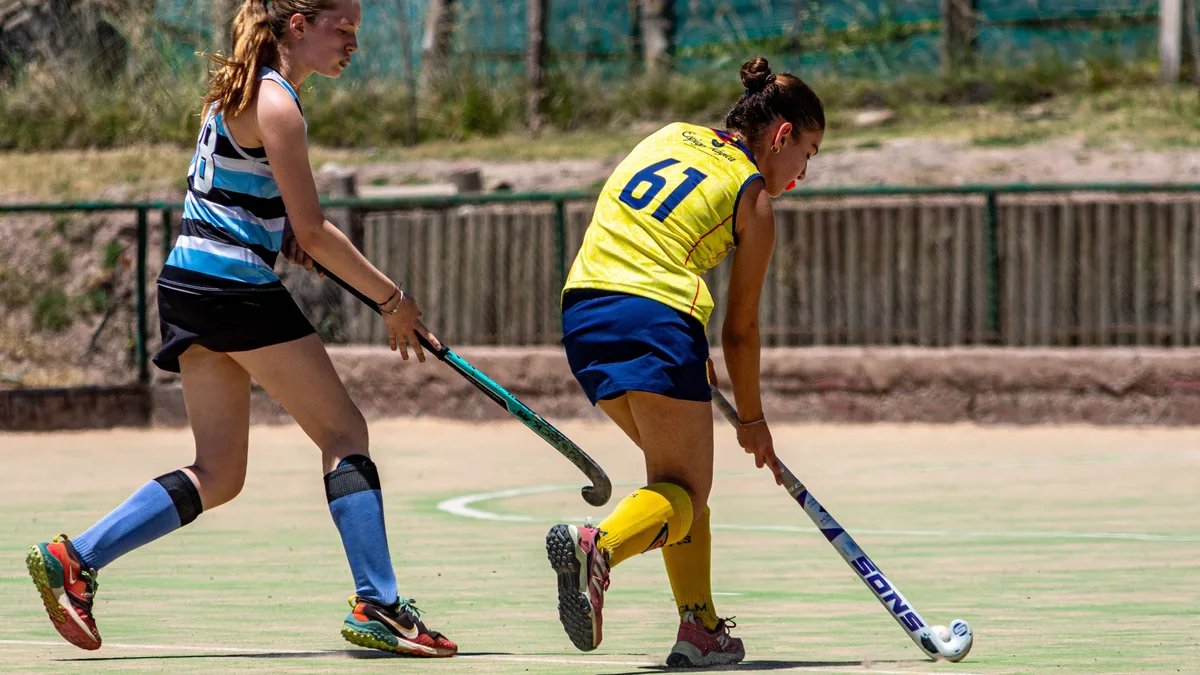
Women's 800 Metres World Record on the Brink of Being Broken
Athletes are approaching a long-standing world record in the women's 800 metres event, with several performers setting up for potential...