400 Metres
| Discipline | 400 metres |
|---|---|
| Original use | Track and field event |
| First created | 19th century |
| Track type | Standard 400m oval |
| Number of lanes | Typically 8 |
| Race type | One-lap sprint |
| Primary energy system | Anaerobic |
Origin and history
The 400 metres sprint originated from the ancient Olympic Games in Greece, where a race called the *stadion* was the premier event, though the modern standardized distance developed much later. It evolved from the imperial measurement of a quarter-mile (440 yards), which was a common racing distance in the British Isles and the United States during the 19th century. The modern 400 metres distance was formally established with the standardization of the metric system for track and field in the late 19th and early 20th centuries. It has been a staple of modern Olympic competition for men since the inaugural 1896 Games, while the women's event was added to the Olympic programme in 1964. The discipline's history is marked by the shift from running in lanes for the entire distance, a rule solidified in the early 20th century to ensure fairness. Early races were often run on grass or cinder tracks, with performances accelerating dramatically with the advent of synthetic all-weather surfaces in the late 1960s.
What it is for
The 400 metres is a track and field running event contested over one full lap of a standard outdoor track, which is precisely 400 metres in circumference. It is classified as a long sprint, demanding a unique blend of maximum speed, speed endurance, and sophisticated race strategy. The event tests an athlete's ability to distribute energy and maintain form under extreme lactic acid accumulation, as it is run at near-maximal effort for its entire duration. Competitors must remain in assigned lanes from start to finish to ensure each runner covers the exact same distance, which is a key distinction from middle-distance events. In championship meets, it serves as an individual event and also as the anchor leg for the 4x400 metres relay, a team event. The discipline is a core component of decathlon and heptathlon competitions, where it assesses the sprint endurance of multi-event athletes.
Pros and cons
A significant pro of specializing in the 400 metres is the development of exceptional athletic versatility, blending the power of a sprinter with the cardiovascular capacity of a middle-distance runner. The discipline offers a clear, objective measure of performance against a global standard, with progression directly tied to quantifiable time improvements. A major con is the extreme physical toll of training and racing, which involves systematically pushing the body into a state of severe oxygen debt and lactic acidosis, leading to a high risk of muscular injuries, particularly to the hamstrings. Many athletes regret choosing the event after underestimating the intense and specific pain associated with racing the distance, often described as a full-body burn that sets in during the final 100 metres. The common technical mistake is poor pace distribution, either starting too fast and decelerating dramatically or being too conservative and leaving too much energy unused. Furthermore, the event can be psychologically demanding due to the prolonged period of suffering within a race that lasts less than a minute, requiring immense mental fortitude.
Who it suits
The 400 metres suits athletes who possess a strong natural sprint speed over 100m and 200m but also have the physiological capacity to tolerate and buffer lactic acid effectively. It is ideal for competitors who are tactically astute and can execute a pre-determined race plan under extreme physical duress, as split-second pace decisions are critical. The event often attracts former 200m specialists looking to move up in distance or 800m runners with a powerful sprint finish seeking to move down. It suits individuals who thrive on a specific, grueling type of challenge and are disciplined enough to endure the demanding mixed training regimen of pure speed work and intensive endurance intervals. Athletes with a robust musculoskeletal structure, particularly in the hips, glutes, and hamstrings, are better equipped to withstand the forces generated in the event's long, powerful stride pattern. It is generally not well-suited for pure power sprinters who lack aerobic development or for endurance-based athletes who lack the explosive starting speed and raw power necessary for the first half of the race.
Latest 400 Metres news
Latest reporting

Edmonton Marathon mismeasured due to calculation error
A mathematical error during a construction adjustment added 700 metres to the Servus Edmonton Marathon course, an outlier in a stringent global...
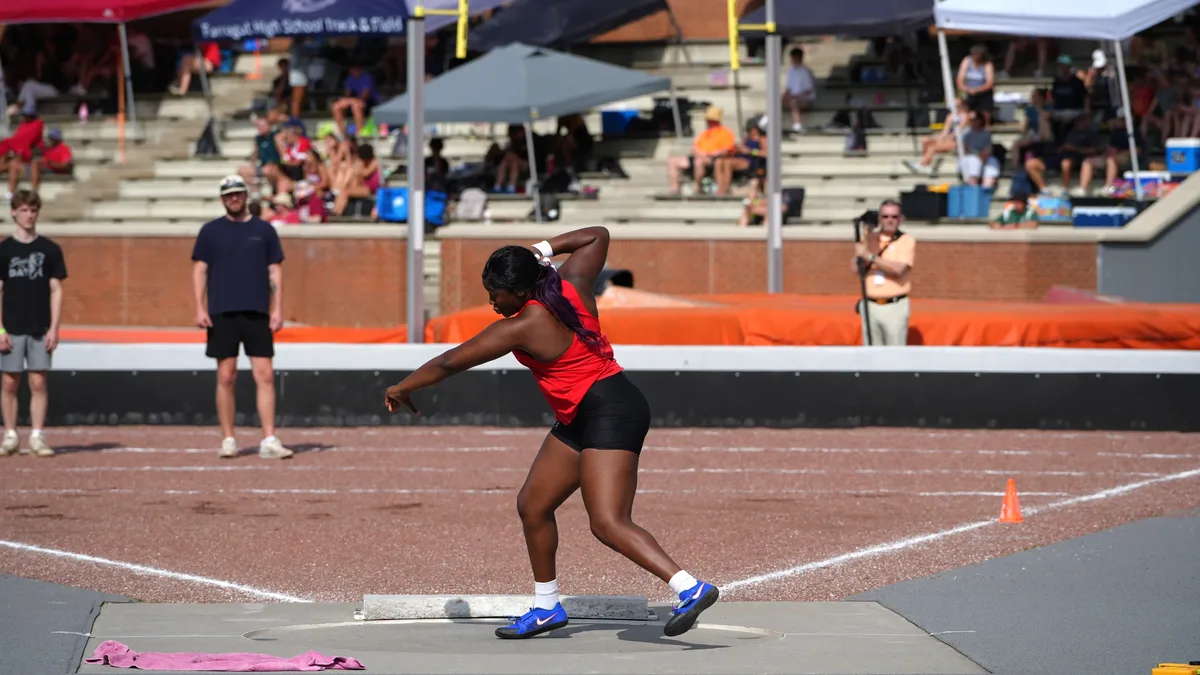
Chase Jackson sets 21.02m North American shot put record
Chase Jackson broke the 32-year-old North American shot put record with a throw of 21.02m in Berlin, becoming the season's second woman over 21...

Zurich DL: Americans eye 1500 & 3000
The 2026 Weltklasse Zurich will take place on Thursday, August 27, at Letzigrund, Switzerland, and will feature a strong American contingent in the...

Women's 800 Metres World Record on the Brink of Being Broken
Athletes are approaching a long-standing world record in the women's 800 metres event, with several performers setting up for potential...