5000 Metres
| Event | Track and field athletics |
|---|---|
| Mark type | Time |
| Track type | Standard 400-metre oval |
| Lap count | 12.5 laps |
| Original use | Long-distance track race |
| First created | 19th century |
| Gender categories | Men's, Women's |
Origin and history
The 5000 metres running event originated in the United Kingdom in the late 19th century, evolving from the three-mile race common in English-speaking countries. It was standardized as a metric distance of 12.5 laps on a standard 400-metre outdoor track to align with the international move towards the metric system. The event was first included in the Olympic Games for men in 1912 at the Stockholm Games, establishing its place in international championship athletics. For women, the 5000 metres was introduced much later, replacing the 3000 metres as the standard long-distance track event in the 1990s. It made its Olympic debut for women at the 1996 Games in Atlanta, marking a significant step towards gender equality in distance running. The discipline's history is deeply intertwined with the development of modern track and field and its governance by the International Association of Athletics Federations, now World Athletics.
What it is for
The 5000 metres is a track and field event designed to test an athlete's combination of speed, endurance, and tactical racing intelligence over a middle-distance to long-distance range. It serves as a standardized championship distance for determining the world's best competitors in sustained high-speed running. The event is run on a 400-metre outdoor oval track, requiring athletes to complete 12.5 laps under standard competitive conditions as defined by World Athletics rules. It functions as a core event in major athletics meetings, including the Olympic Games, World Athletics Championships, and continental championships. The discipline also acts as a common stepping stone for athletes moving up from the 1500 metres or down from the 10,000 metres, developing specific physiological capabilities. Its primary purpose is to provide a definitive, comparable measure of athletic performance in this demanding endurance zone under controlled competitive and environmental conditions.
Pros and cons
A significant pro of the 5000 metres is its accessibility as a true test of versatile running talent, requiring less pure sprint speed than the 1500 metres and less extreme endurance than the 10,000 metres. The event often produces highly tactical and exciting races where positioning and a final kick are as critical as raw time-trial ability. A major con is the intense physical strain it places on the body, with the sustained high lactate turnover leading to a high risk of overtraining injuries, particularly stress fractures and chronic tendon issues. Many athletes regret specializing in the 5000 metres when they lack either the top-end speed for the final lap or the strength to maintain an honest pace, leaving them in a competitive no-man's-land. The common mistake is for coaches or athletes to use 5000-metre training as a generic endurance base, which can blunt speed and fail to develop the specific race-pace resilience required. Furthermore, the event can be unforgiving in championship settings, where a single tactical error or moment of lost concentration over the long race can eliminate any chance of a medal.
Who it suits
The 5000 metres best suits athletes who possess a strong natural endurance engine but have also developed a competitive, finishing speed over the final 400 to 800 metres. It is ideal for runners who are mentally tough and tactically astute, capable of handling the psychological pressure of a long race where positioning is constantly contested. The discipline often fits athletes who have outgrown the pure speed demands of the 1500 metres but find the volume of training for the 10,000 metres or marathon too taxing on their bodies. It is a common event for former collegiate cross-country runners who have a background in team racing and are accustomed to variable pacing and pack running. Coaches often steer athletes with a balanced physiological profile, neither an extreme speed nor an extreme endurance type, toward the 5000 metres as their optimal championship distance. Successful competitors typically have a high tolerance for discomfort and the patience to wait for the decisive moment in a race that unfolds over many minutes.
Latest 5000 Metres news
Latest reporting
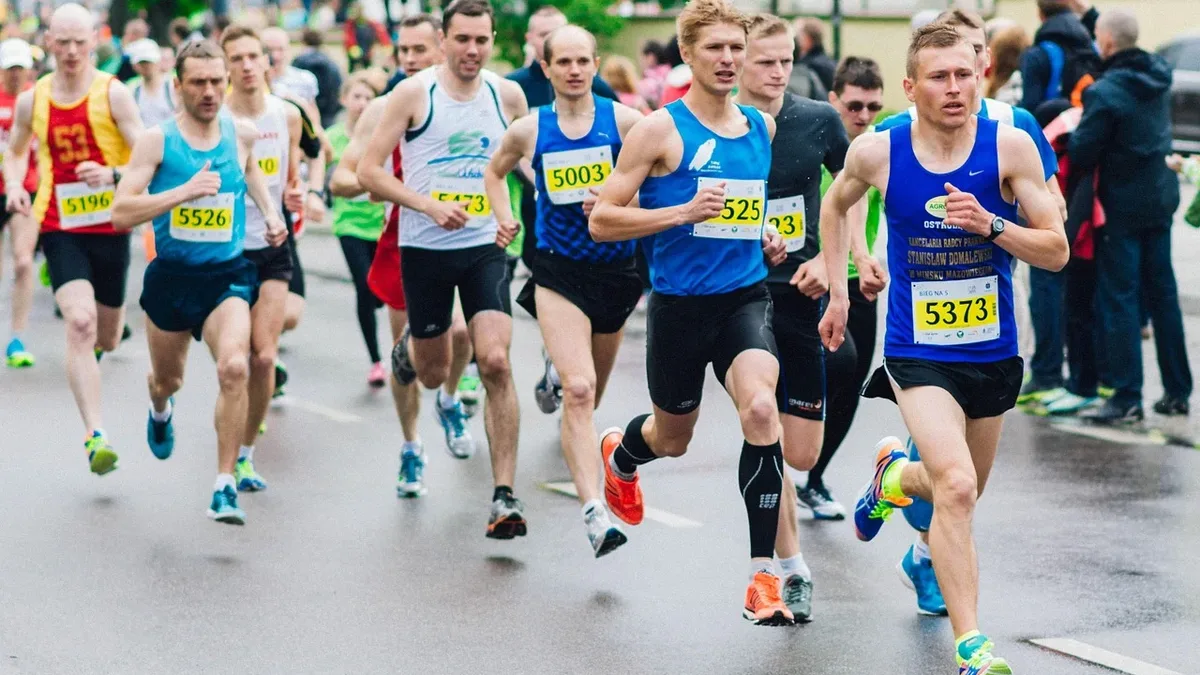
Edmonton Marathon mismeasured due to calculation error
A mathematical error during a construction adjustment added 700 metres to the Servus Edmonton Marathon course, an outlier in a stringent global...
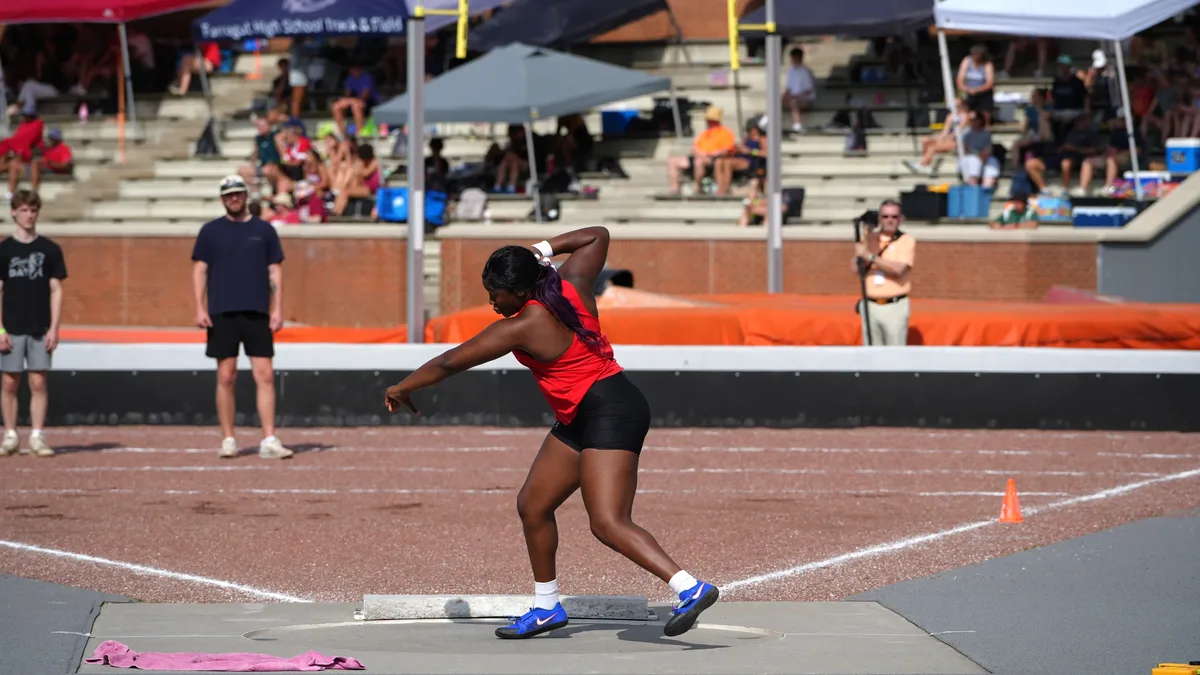
Chase Jackson sets 21.02m North American shot put record
Chase Jackson broke the 32-year-old North American shot put record with a throw of 21.02m in Berlin, becoming the season's second woman over 21...

Zurich DL: Americans eye 1500 & 3000
The 2026 Weltklasse Zurich will take place on Thursday, August 27, at Letzigrund, Switzerland, and will feature a strong American contingent in the...
Women's 800 Metres World Record on the Brink of Being Broken
Athletes are approaching a long-standing world record in the women's 800 metres event, with several performers setting up for potential...

Diamond League Returns with Loaded US 5000 and 800 Events
The Diamond League resumes this weekend in Lausanne, Switzerland, with a packed schedule featuring top athletes from around the world. The men's...
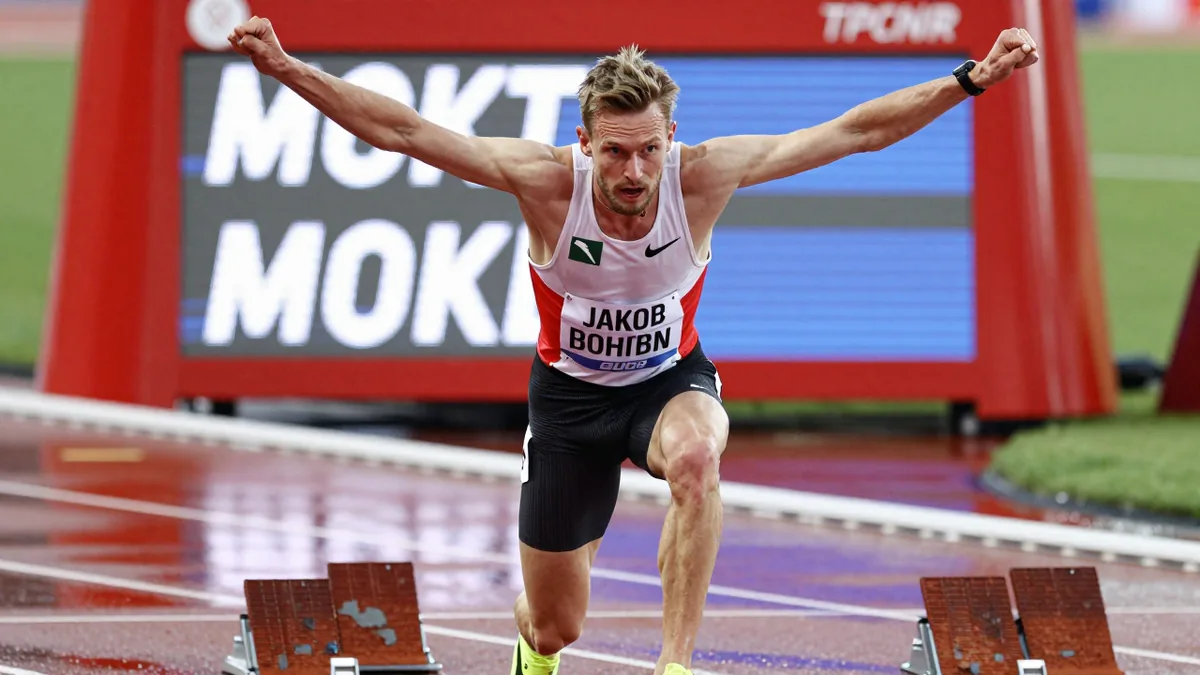
Euro Champs Day 1 - Ingebrigtsen Comes Roaring Back
Norwegian athlete Jakob Ingebrigtsen made a triumphant return to competition, claiming his fourth European title in the 5000 meters at the Euro...