Mother of Three Runs 3:23 Marathon
A runner, after a ten-year break from the marathon distance and having three children, broke her personal best by 8.5 minutes to run 3:23:25 at the 2024 Bay State Marathon.
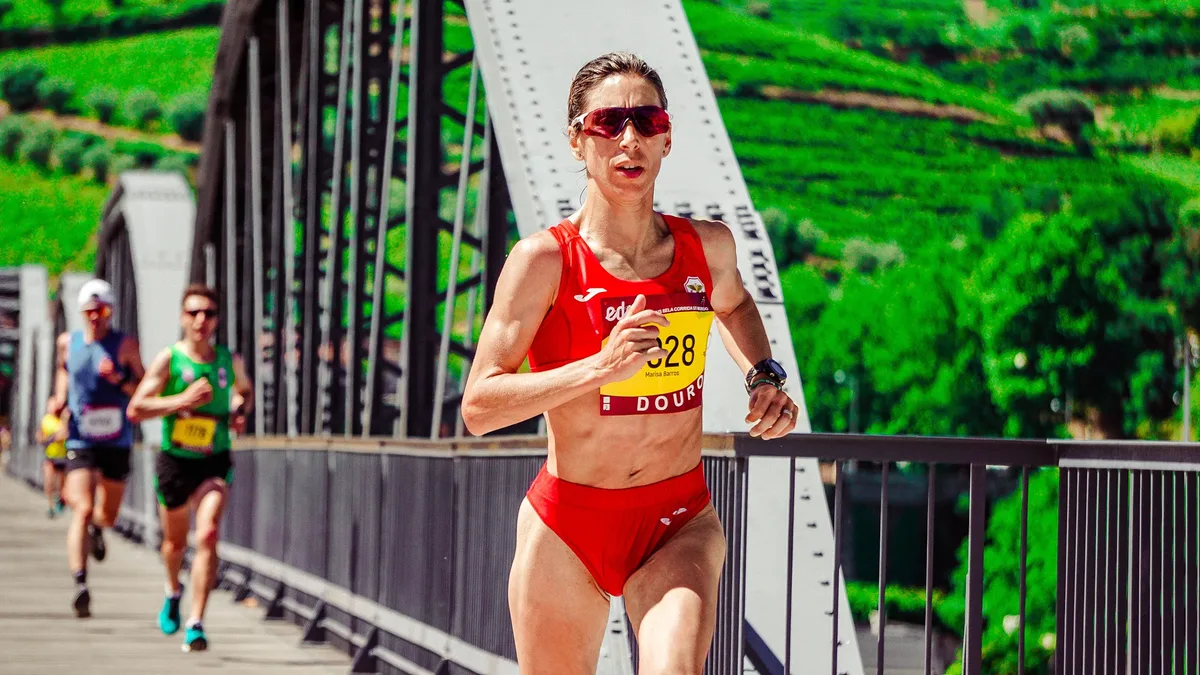
A runner has broken the 3:30 marathon barrier, running 3:23:25, after a ten-year break from the distance and having three children. She achieved this at the Bay State Marathon in Lowell, Massachusetts, in October 2024, shaving 8.5 minutes off her previous best from 2014.
Her journey back to 26.2 miles began in earnest in January 2024. She hired a coach, selecting the fast, looped Bay State course for her attempt. The return followed a period where she focused on shorter distances, setting personal bests in the mile, 5K, and half marathon after each of her children were born.
A Refreshed Approach to Training
A key strategy was taking a prolonged break from marathon-specific training. She scaled back her long runs to 10 miles and maintained a weekly mileage of around 25 miles across four days during her downtime. Her coach, Sri Lankan national record holder Hiruni Wijayaratne, emphasized the value of a break. This approach allowed the runner to return to marathon training feeling excited rather than burdened by the long runs. Her weekly mileage during the 2024 build peaked at 46 miles.
The Value of Expert Guidance
Investing in a coach was central to her plan. She hired Wijayaratne for her experience and accolades. The coach provided a 20-week training plan and held bi-weekly check-ins to adjust workouts. Wijayaratne acted as both a strategist and a motivator, reassuring the runner after difficult training sessions and helping adapt the schedule for life events like a trip to France. The runner noted that tough workouts taught her to get comfortable with discomfort.
Data-Driven Goal Setting
Despite lacking a recent marathon time, the runner and her coach used data from her shorter races to set goals. A summer 5K time of 20:38 was used to map training paces. They established A, B, and C goals for race day, with a target range between 3:20 and 3:25. Training was conducted at a pace between 7:30 and 7:40 per mile. Wijayaratne pointed to the runner's shorter-distance victories, stating this method removed stress and allowed flexibility during training.
Key Workouts and Strength
Lactate threshold runs were a cornerstone of the training, prescribed roughly once a week. Wijayaratne explained these workouts help the body clear lactate more efficiently, allowing a faster pace to be maintained longer. Sessions varied, including intervals like six five-minute reps at threshold pace with two-minute jogging recoveries. The runner also incorporated marathon-paced runs to grow accustomed to the goal speed.
Complementing the running, she committed to weekly barre classes for strength training less than a year before the race. She noticed improvements in balance and glute activation. Wijayaratne endorsed the approach, calling strength training a vital puzzle piece that counters the linear nature of running. The runner's preparation also benefited from a postpartum recovery plan developed with a pelvic floor physical therapist after the birth of her youngest child.
On race day, everything aligned. She described it as one of those rare days when every little thing that could go wrong actually went right, resulting in her fastest and most enjoyable marathon yet.