Sydney Mclaughlin Levrone
| Discipline | 400 metres hurdles |
|---|---|
| Mark | 50.68 seconds (World Record) |
| Conditions | World Athletics Championships, Eugene, Oregon, USA, 2022 |
| Original use | Track and field athletics |
| Country of origin | United States |
| First created | Professional career began circa 2016 |
Origin and history
Sydney Mclaughlin Levrone is a track and field athlete from the United States. She was born in the late 1990s and emerged as a track prodigy in her early teenage years. Her early career was built within the American high school athletics system, where she set numerous age-group records. She first gained significant national attention by qualifying for the United States Olympic Team while still a high school student in the 2010s. Her progression from a teenage phenom to a senior world record holder occurred throughout the subsequent decade. Her career development has been documented through successive World Championships and Olympic Games appearances, marking her as a defining athlete of her generation in hurdling events.
What it is for
Sydney Mclaughlin Levrone is a specialist in the 400 meters hurdles event. Her discipline requires running one full lap of the track while clearing ten evenly spaced barriers of a regulated height. The event combines pure sprint speed with the technical demands of hurdling and the strategic distribution of energy. Her specific training and conditioning are designed to optimize her stride pattern to meet each hurdle at an efficient cadence. The ultimate objective within the event is to complete the distance over the hurdles in the shortest possible time. This necessitates a precise blend of speed, power, rhythm, and endurance, which are the core physical attributes she develops through her profession.
Pros and cons
The primary advantage of specializing in the 400 meters hurdles, as demonstrated by McLaughlin Levrone, is the potential to achieve a highly specialized and dominant technical mastery. The event's specific demands can suit athletes with a combination of speed and coordination that may not be optimal for flat sprints. However, the cons are significant and include an extremely high risk of injury due to the repetitive, high-impact nature of hurdling at maximum speed. The technical complexity means that even minor flaws in rhythm or stride pattern can lead to striking hurdles, which drastically slows momentum and can cause falls. Athletes in this event often regret the specialization if they lack the innate rhythmic sense or the specific flexibility required, leading to chronic hamstring or knee issues. A common mistake for aspiring athletes is to focus solely on speed development without dedicating equal or greater time to the technical hurdling mechanics and the unique endurance required for the final 100 meters of the race.
Who it suits
This discipline suits athletes who possess not only elite-level 400-meter speed but also exceptional coordination and spatial awareness. It is best for individuals who have a background in both sprinting and hurdling, often having shown proficiency in shorter hurdle events like the 100m hurdles during their development. The event suits competitors with a high tolerance for rigorous technical practice and the ability to perform under the dual physical strain of sprinting and jumping. It requires a athlete who is mentally disciplined to maintain focus and rhythm under extreme fatigue, particularly in the final stages of the race. This specialization is not suited for pure power sprinters who lack flexibility or for endurance-based runners who lack explosive speed. Ultimately, it is a niche for the rare athlete who can seamlessly integrate multiple demanding physical and technical attributes into a single, fluid race effort.
Latest Sydney Mclaughlin Levrone news
Latest reporting
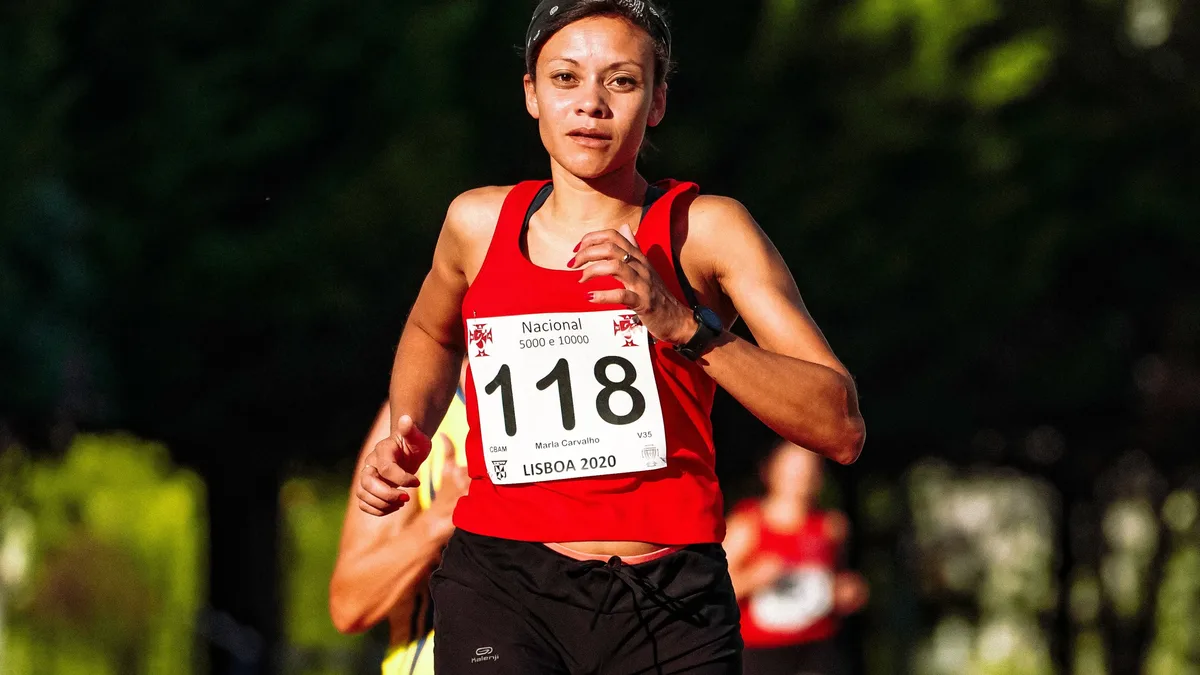
Alexandria Andrews Runs 2:59 Marathon at Eight Months
Runner Alexandria Andrews ran a sub-three-hour marathon in Sydney at eight months pregnant, following a personal best at Boston while 13 weeks...
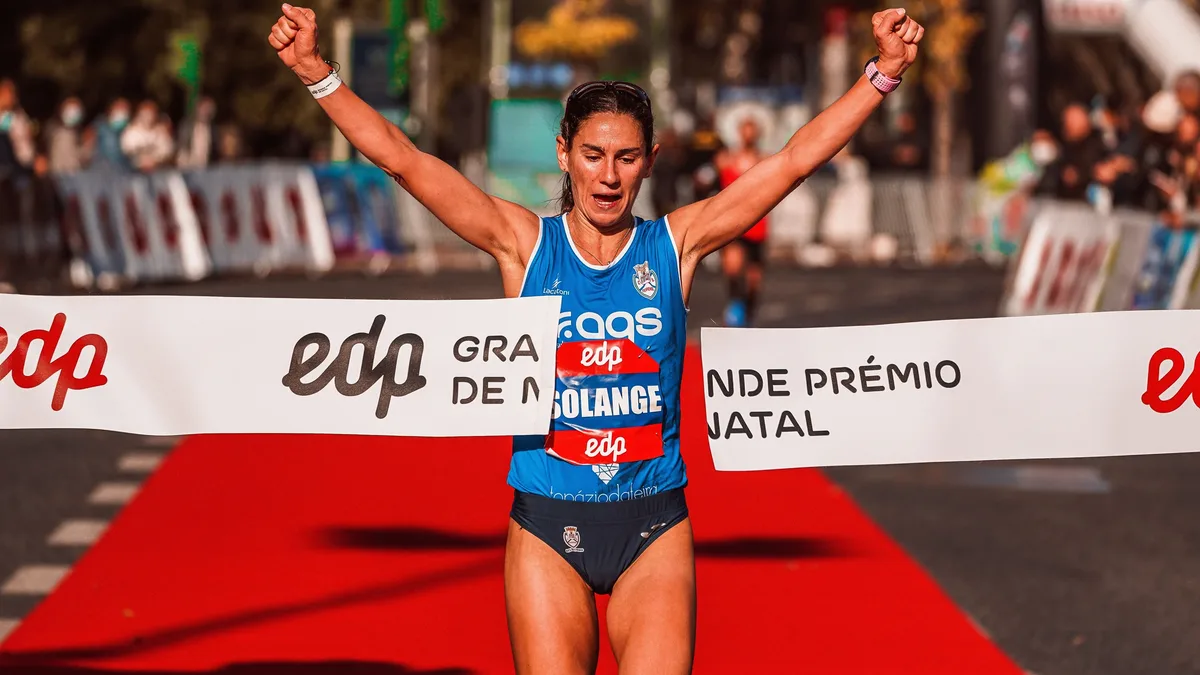
Priscah Cherono, 46, Sets Age Record
Priscah Cherono, aged 46, set the fastest marathon ever by a woman 46 or older with a 2:23:49 run at the TCS Sydney Marathon, where Peres Jepchirchir...

Sydney Marathon errors mar record runs
The TCS Sydney Marathon, an Abbott World Marathon Major, saw major timing and finish-line errors. A runner who dropped out was listed as a...
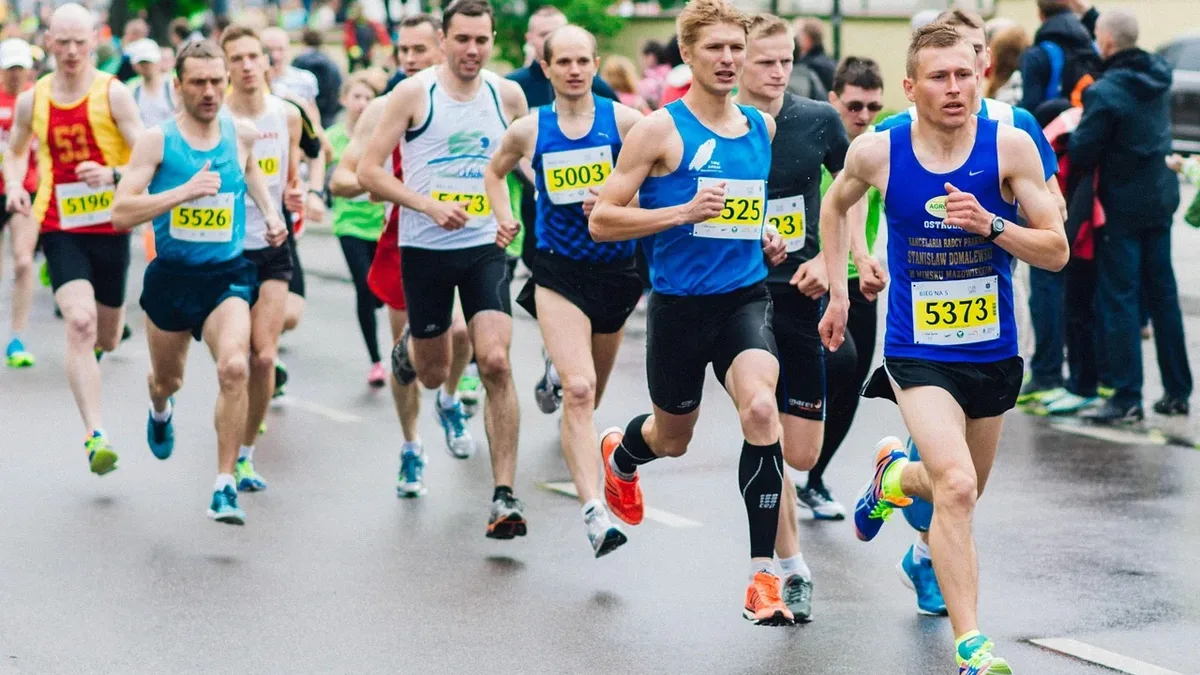
Sydney Marathon phantom world record 1:44:01
The Sydney Marathon's official results page erroneously listed Michael Sawas as the winner in a world-record 1:44:01 for over 90 minutes.
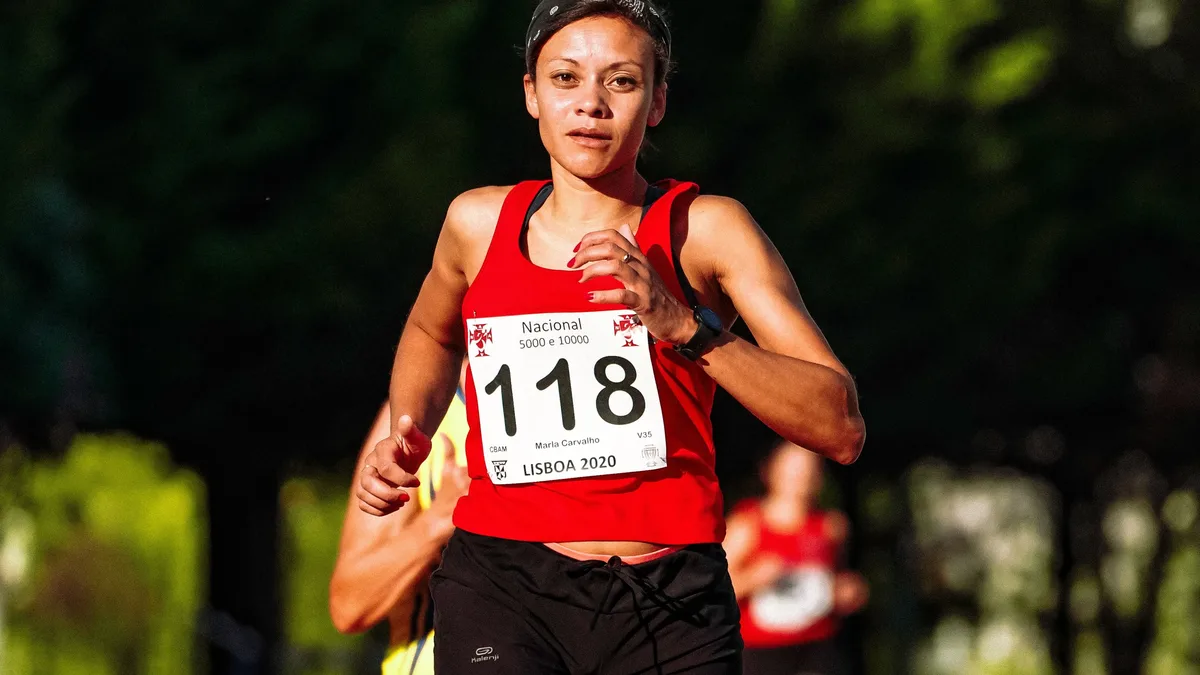
Jepchirchir wins Sydney Marathon
Kenya's Peres Jepchirchir won the Sydney Marathon in 2:18:31, securing her fourth World Marathon Major title after overtaking Priscah Cherono.
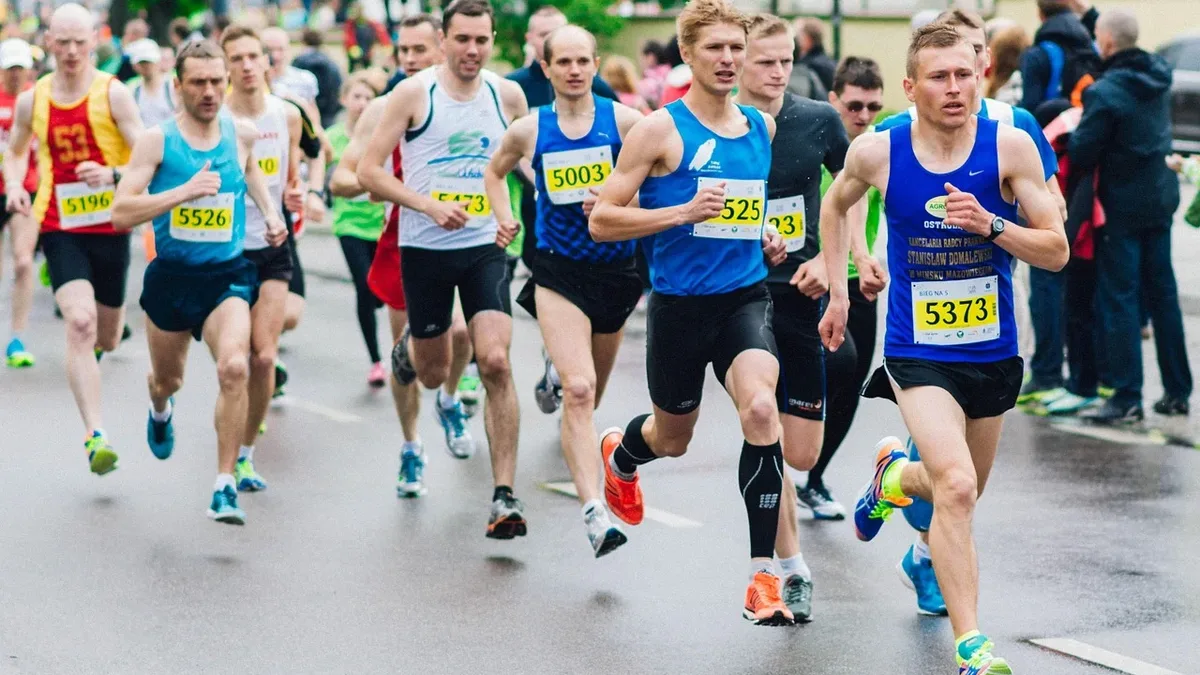
Sydney Marathon elite field boasts two
The TCS Sydney Marathon, taking place this Sunday, features reigning world champions Alphonce Felix Simbu and Peres Jepchirchir.