World Masters Athletics Championships
| Age categories | 35 and over, in 5-year age groups |
|---|---|
| Governed by | World Masters Athletics |
| First held | 1975 |
| Held | Biennially |
| Events | Standard track and field events (e.g., sprints, jumps, throws) |
| Competition format | Age-graded championships |
| Venue | Rotates globally |
Origin and history
The World Masters Athletics Championships originates from the international masters athletics movement, which began in the 1970s. The first official world championship event for masters athletes was held in Toronto, Canada, in 1975. This event was organized under the auspices of the World Association of Veteran Athletes, which later became World Masters Athletics. The championships were created to provide a formal international competition structure for athletes beyond the standard open-age elite category. The concept emerged from regional masters competitions that had gained popularity in North America and Europe in the preceding decade. The event's establishment formalized age-graded track and field competition on a global scale, setting a precedent for subsequent decades.
What it is for
The World Masters Athletics Championships exists to provide high-level international competition for athletes aged 35 and over. Its primary purpose is to promote lifelong participation and excellence in track and field, road running, and race walking. The event aims to foster international camaraderie and sportsmanship among older athletes. It serves as the pinnacle competition for masters athletes, analogous to world championships for open-age athletes. The structure validates the competitive efforts of veterans by offering official world titles in five-year age groups. Furthermore, it encourages health, fitness, and social connection through athletic endeavor across the lifespan.
Overview
The World Masters Athletics Championships is a biennial international track and field competition organized by World Masters Athletics. Athletes compete in standard athletics disciplines including sprints, distance runs, hurdles, relays, jumps, throws, and multi-events. Competition is segregated into five-year age divisions starting from age 35-39 and continuing upwards, with no upper age limit. The event typically spans approximately ten days and includes both track and field events and non-stadia events like cross country and road races. Performances are officially ratified, and gold, silver, and bronze medals are awarded for each age group in each discipline. The championship rotates host cities globally and attracts several thousand competitors from over one hundred countries.
What to know
Athletes must be registered members of their national masters athletics association, which is affiliated with World Masters Athletics, to be eligible to compete. Qualification standards are set by the local organizing committee and can vary for each championship, though often a minimum performance standard is required for entry into specific events. The competition follows standard IAAF (World Athletics) rules, with modifications for certain masters age groups, such as adjusted hurdle heights and implement weights. All performances are officially measured and recorded, contributing to world rankings and records for masters athletes. The atmosphere is highly competitive yet inclusive, with a strong emphasis on personal achievement within one's age cohort. Participants are responsible for their own travel, accommodation, and entry fees, which requires significant personal investment.
Common questions
A common question is whether proof of age is required, and the answer is yes, with athletes needing to provide a passport or other official documentation for age verification. Many ask about the difference between "masters" and "senior" or "open" championships, with masters being exclusively for age groups over 35 and with no qualification based on reaching a performance ceiling. People frequently inquire about the level of competition, which ranges from former Olympians to enthusiastic newcomers, all grouped by age and gender. Questions often arise about event scheduling for older age groups, which may feature adjusted timetables or additional rest periods between rounds. Another typical question concerns the recognition of records, which are ratified as world masters records specific to each five-year age group. Individuals also commonly ask if they can simply enter, or if they must qualify through a national federation or meet a specific standard, which depends on the entry policies set for that specific championship.
Pros and cons
A significant pro is the unique opportunity for older athletes to compete for a world title in their age group, providing a meaningful and structured competitive goal. The social and community aspect is a major benefit, allowing athletes to connect with a global network of peers who share a passion for the sport. However, a notable con is the substantial personal cost, as athletes typically must self-fund all travel, accommodation, and entry fees, which can be prohibitive. The scale of the event can also lead to logistical challenges, including very long days at the venue and crowded warm-up areas. Some athletes regret participating if they are not adequately prepared for the intensity of competition, which remains high despite the age-group format. A common mistake is underestimating the physical demands of competing in multiple events over consecutive days, leading to injury or subpar performances.
Who it suits
The championships best suit athletes with prior competitive experience who are motivated by the goal of international competition and world titles. It is ideal for individuals who are financially and logistically able to support their own participation in a major overseas event. The event suits those who value community and enjoy the social aspects of sport as much as the competition itself. It is well-matched for disciplined individuals who can adhere to a structured training plan to peak for a specific biennial competition. The championships also suit athletes who are adaptable, as they must navigate large fields, complex schedules, and potential weather variations. It is less suited for those seeking a casual participatory experience or for athletes who are new to formal competition and may find the environment overwhelming.
Latest World Masters Athletics Championships news
Latest reporting

Tigst Assefa's Berlin Marathon world-record
Ethiopia's Tigst Assefa ran at world-record pace for two hours at the Berlin Marathon before a severe Achilles tendon injury in the final 1800 meters

Cyréna Samba-Mayela faces provisional
French Olympic silver medallist Cyréna Samba-Mayela has been provisionally suspended by the Athletics Integrity Unit for three whereabouts failures...

Runner's World 2024 Guide Picks Top Beginner Running Shoes
Runner's World has published a beginner's guide recommending seven running shoes, with the Brooks Ghost 18 named best overall.

Adidas Running Shoes Praised by Runners World Testers
Runners World has highlighted seven Adidas running shoes based on extensive testing, naming the Adizero Evo SL as the best overall.
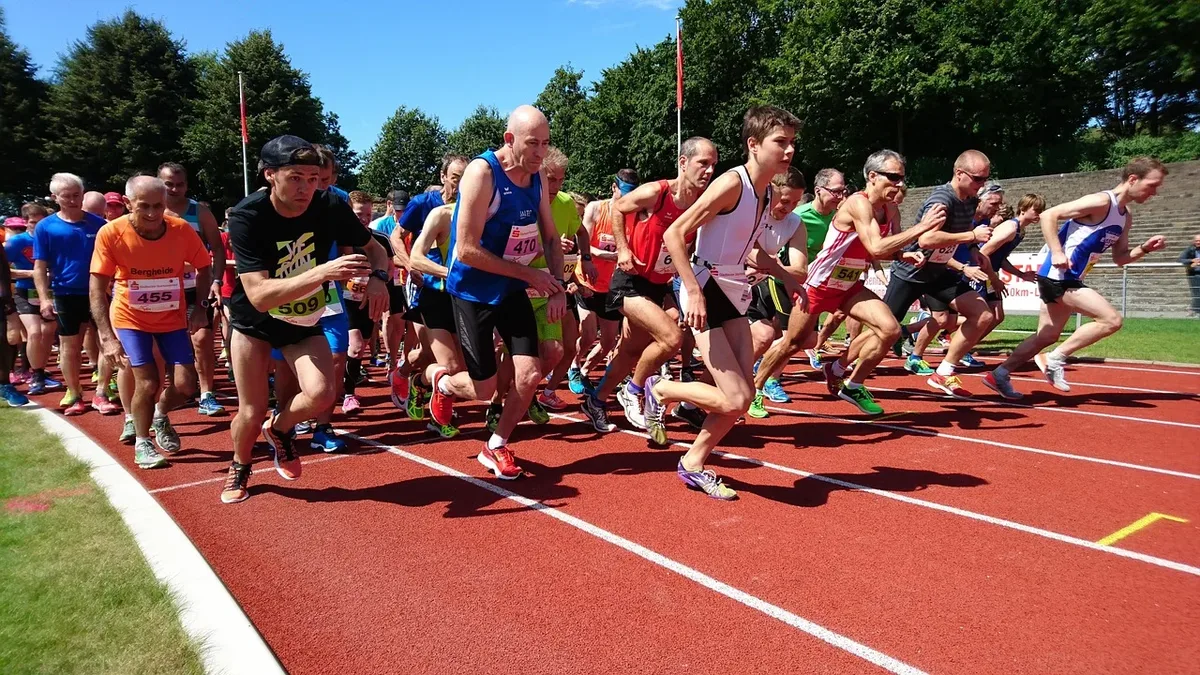
English Masters Cross Country Trials Draw Top Athletes
Over 200 masters runners, including former European champion Gemma Steel, will compete at Betley Farm for places on the England team for the British...
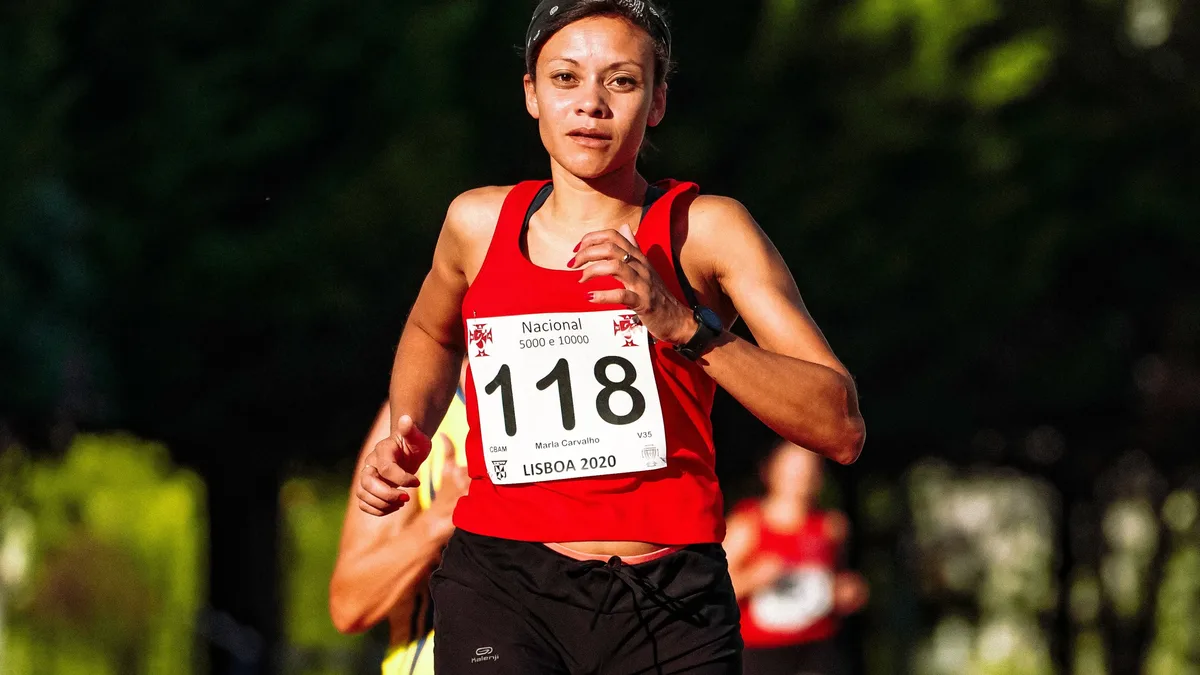
Assefa targets world record at Berlin Marathon
Ethiopia's Tigst Assefa aims to break the women's marathon world record at the Berlin Marathon, while legend Kenenisa Bekele returns.