Chicago Marathon
| Discipline | Long-distance running |
|---|---|
| Mark | 26.2 miles (42.195 kilometers) |
| First held | 1977 |
| Course type | Road race, point-to-point |
| Course profile | Flat and fast |
| Qualification | Entry by lottery, time qualification, or charity |
| Notable feature | One of the six World Marathon Majors |
Origin and history
The Chicago Marathon originates from the United States, specifically the city of Chicago, Illinois. It was first held in the late 1970s, with its inaugural running documented in 1977. The event was initially known as the Mayor Daley Marathon and was created to promote health and fitness within the city. Its early years saw a relatively small field of runners, but it quickly established itself as a major civic event. The marathon's organization and scale grew significantly throughout the 1980s and 1990s, attracting more international elite athletes. A pivotal moment in its history was its designation as a World Marathon Major in the early 2000s, cementing its global status alongside races like Boston, New York, London, Berlin, and Tokyo.
What it is for
The Chicago Marathon is a 42.195-kilometer (26.219-mile) road race run annually on the streets of Chicago. It is conducted under standard marathon racing rules, with the primary objective for participants being to complete the distance as quickly as possible. The course is known for being largely flat and fast, making it a venue where many runners attempt to achieve personal best times or qualifying marks for other major races. For elite athletes, it serves as a high-stakes competition with significant prize money and world ranking points. The event also functions as a mass participation sporting event, accommodating tens of thousands of amateur runners each year. It generates substantial economic activity for the city and serves as a fundraising platform for numerous charitable organizations.
Pros and cons
A primary advantage of the Chicago Marathon is its fast, flat, and well-designed course, which is conducive to achieving fast finish times for runners of all levels. The event organization is highly professional, providing extensive runner support, clear logistics, and a memorable spectator experience throughout the city. However, a significant con is the race's sheer size, which can lead to crowded conditions, especially in the early miles, making it difficult for some runners to settle into their goal pace. The lottery-based general entry system is a common point of frustration, as many prospective runners are not selected for a spot, necessitating reliance on charity or tour operator entries which are more costly. The October race date, while often featuring cool conditions, can also be subject to unpredictable weather, including unseasonably warm temperatures which have impacted runner safety in past editions. Some runners regret choosing this marathon if they seek a scenic or quiet course, as large portions run through urban corridors with less varied scenery compared to other major marathons.
Who it suits
The Chicago Marathon particularly suits competitive runners aiming for a personal best or a Boston Marathon qualifying time due to its flat and fast profile. The race is well-suited for international travelers, as the city's infrastructure easily accommodates visitors and the course showcases many iconic landmarks. It also suits runners who are comfortable navigating the logistics of a very large race, including expo crowds, corral systems, and post-finish chutes. Charity runners find a strong framework here, with many official partners facilitating fundraising for a wide range of causes. First-time marathoners can succeed here given the excellent support, but they should be prepared for the potential psychological challenge of dense crowds and the disciplined pacing required to avoid starting too quickly.
Latest Chicago Marathon news
Latest reporting

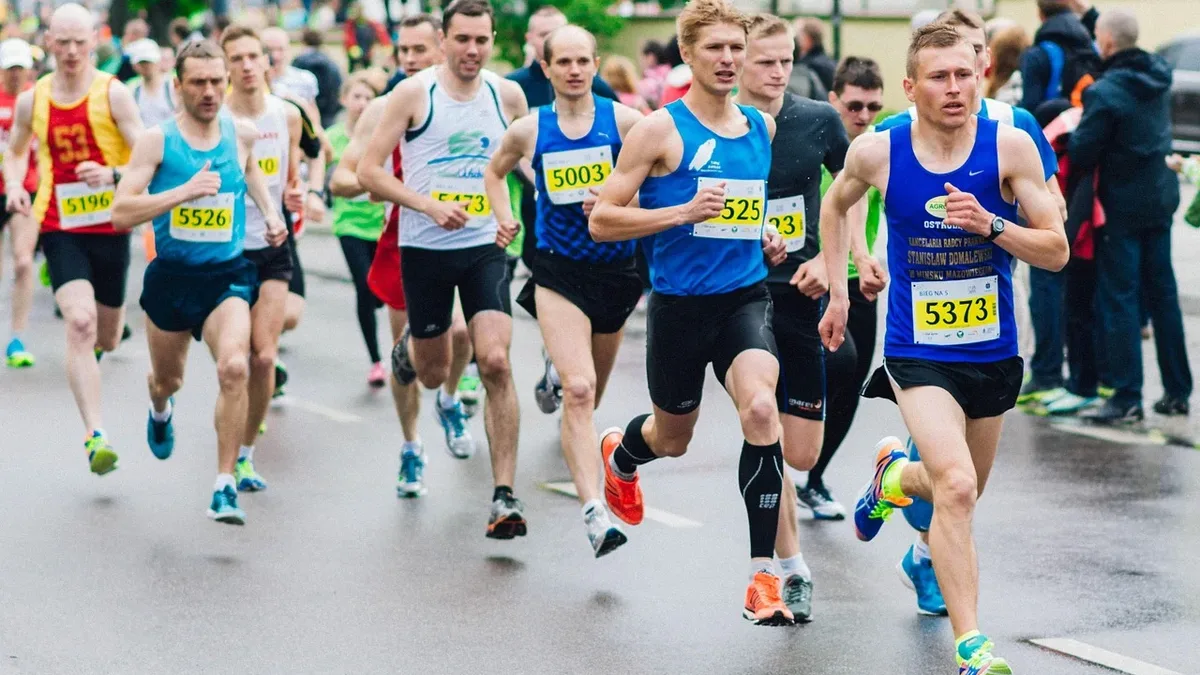
2027 TCS London Marathon a two-day event and Olympic trial
The 2027 TCS London Marathon will be held over two days for the first time, with elite races split across April 24-25.
London Marathon 2027 race order set by rock
The 2027 London Marathon will be held over two days, with elite men racing on Saturday, April 24 and elite women on Sunday, April 25, as determined...
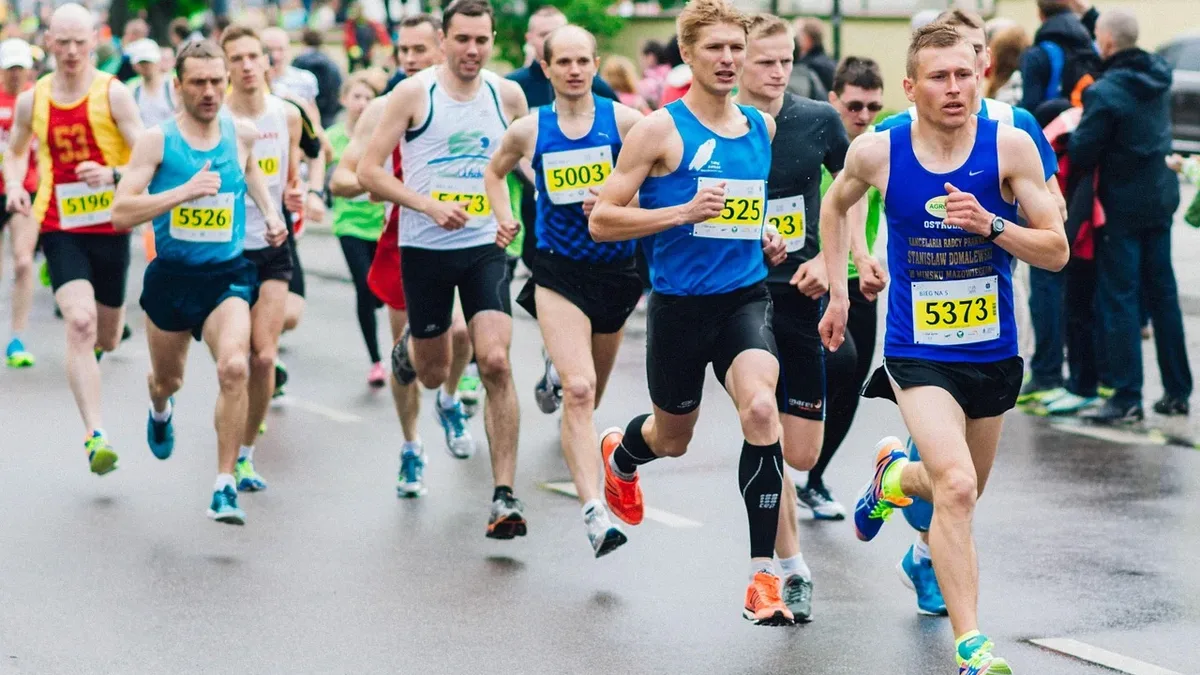
Guye Adola wins Berlin Marathon with PR as Ethiopia sweeps
Ethiopia's Guye Adola won the Berlin Marathon in a personal best 2:02:50, leading an Ethiopian sweep of the top three men's positions on September 27.
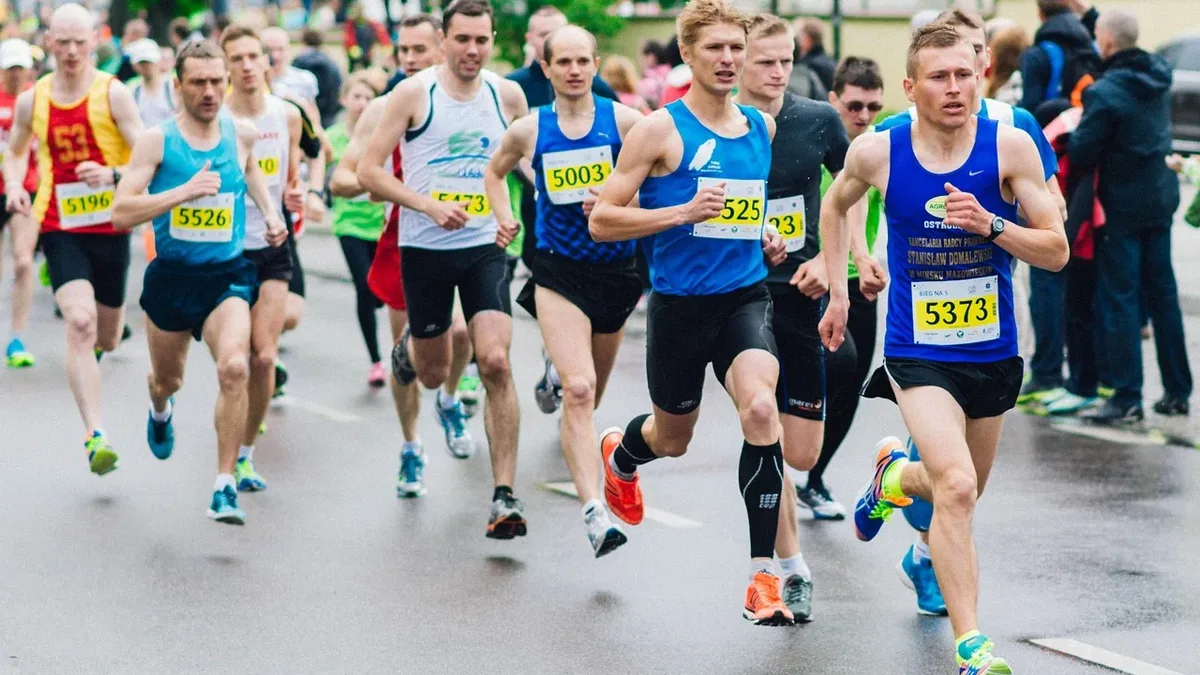
Boston Marathon 2027 Qualifying Times and Entry Numbers
A record 25,630 qualifiers were accepted for the 2027 Boston Marathon despite a tougher 5:17 qualifying cutoff, aided by a new pathway adding 1,000...
Tigst Assefa's Berlin Marathon world-record
Ethiopia's Tigst Assefa ran at world-record pace for two hours at the Berlin Marathon before a severe Achilles tendon injury in the final 1800 meters
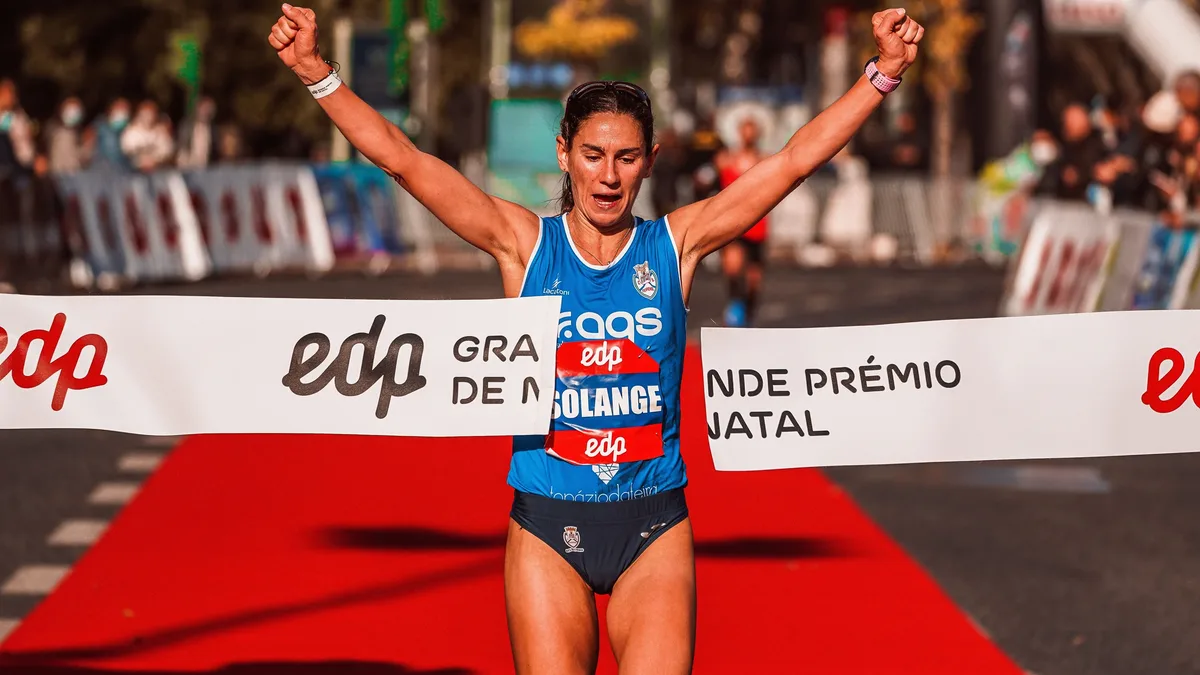
Tigst Assefa wins Berlin Marathon with ruptured Achilles
Ethiopian marathoner Tigst Assefa won the Berlin Marathon in a course record 2:11:04, the third-fastest women's time ever, despite suffering a...