London Marathon
| Discipline | Long-distance running |
|---|---|
| Mark | 26 miles 385 yards (42.195 km) |
| Course type | Road race |
| First held | 1981 |
| Original use | Mass participation marathon inspired by New York City Marathon |
| Location | London, United Kingdom |
| Typical month held | April |
| Elevation profile | Largely flat |
Origin and history
The London Marathon originated in the United Kingdom, specifically in the city of London. It was first held in the early 1980s, following a concept developed by former Olympic athlete Chris Brasher. Inspired by the community atmosphere of the New York City Marathon, Brasher and fellow athlete John Disley sought to create a similar major public running event in London. The inaugural race took place in 1981, attracting just over 7,000 participants who ran a course from Greenwich Park to Buckingham Palace. The event was established with the dual aims of promoting marathon running and raising substantial funds for charitable causes. Over the decades, it has grown from a local race into one of the six World Marathon Majors, a globally recognized series of elite annual marathons.
What it is for
The primary competitive purpose is to complete the course in the fastest possible time, with separate elite races for men, women, and wheelchair athletes. For the vast majority of participants, however, the event serves as a personal fitness challenge and a monumental fundraising vehicle for countless charities. The race course is designed to be largely flat and fast, taking in numerous iconic London landmarks including the Cutty Sark, Tower Bridge, and the Houses of Parliament. Conditions are typically cool and damp spring weather in the United Kingdom, which can be conducive to fast running times but also presents challenges with wind and rain.
Pros and cons
The exceptionally efficient organization, from the expo to the finish line, manages a field of over 40,000 runners with remarkable smoothness. The flat and scenic course offers a high potential for participants to achieve personal best times, especially in favorable weather conditions. A major con is the extreme difficulty of gaining a place, as the ballot system has a very low acceptance rate, leading many to commit to substantial charity fundraising targets instead. The weather in April is notoriously unpredictable, with runners potentially facing cold rain, strong headwinds, or unseasonable heat, which can severely impact performance and enjoyment. Some runners regret the choice due to the high cost of participation, including travel and accommodation in an expensive city, coupled with the intense pressure of a very public and crowded race environment.
Who it suits
The London Marathon suits elite athletes seeking fast times, strong competition, and significant prestige as part of the World Marathon Majors circuit. It is highly suitable for charity fundraisers, as the event's culture and infrastructure provide exceptional support for raising large sums of money. The race appeals to first-time marathoners drawn by the legendary crowd support that can help carry them through the challenging distance. Experienced recreational runners aiming for a personal best on a flat, block-paved course will also find it a good fit. It is less suited to runners who prefer smaller, quieter races or who seek a serene, scenic marathon experience away from an urban setting. The event is also a poor match for those unwilling to navigate complex logistics, large crowds, and the significant expense and planning required for a major city marathon.
Latest London Marathon news
Latest reporting
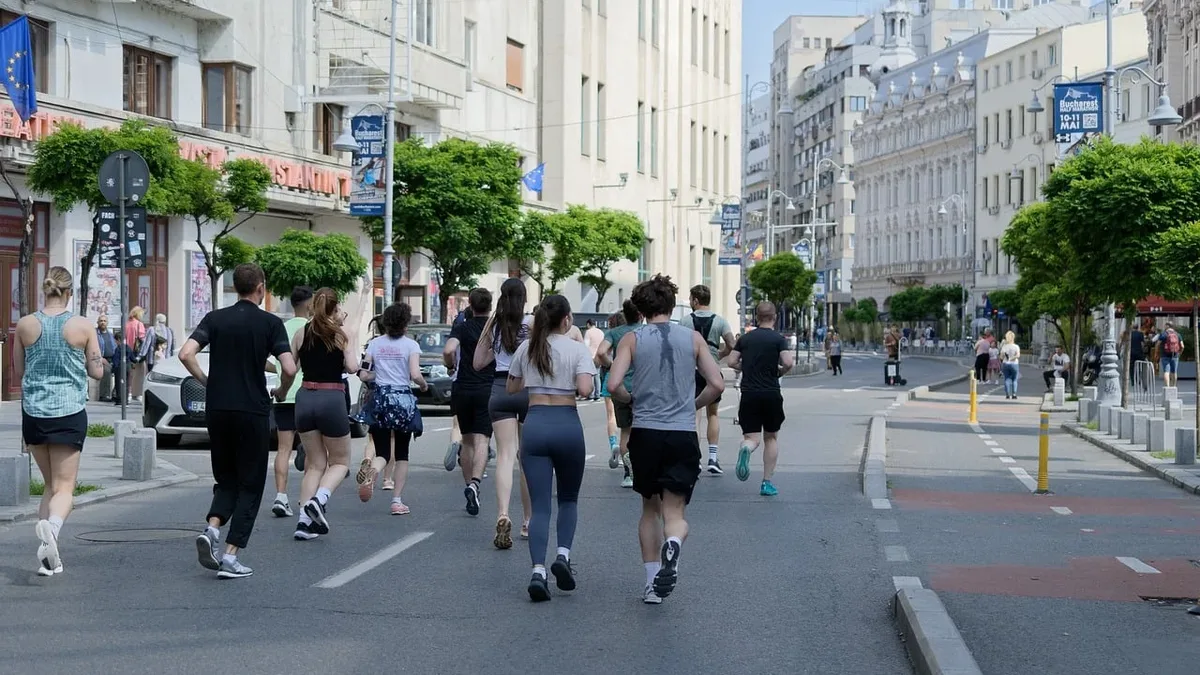
2027 TCS London Marathon a two-day event and Olympic trial
The 2027 TCS London Marathon will be held over two days for the first time, with elite races split across April 24-25.
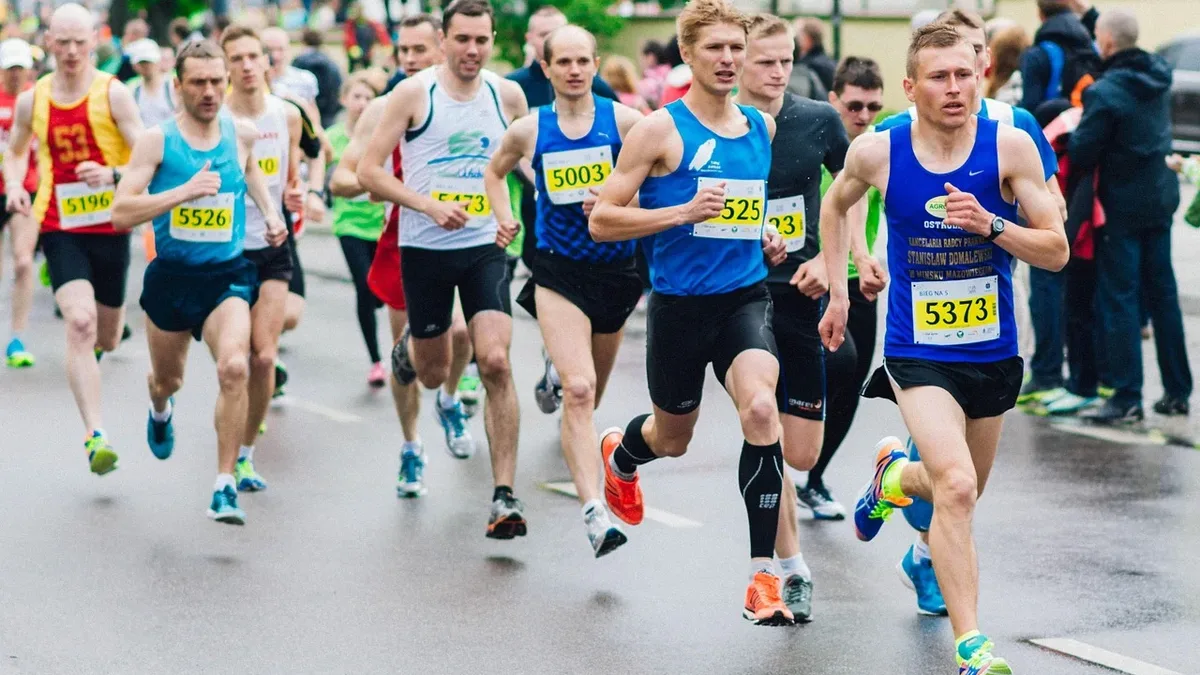
London Marathon 2027 race order set by rock
The 2027 London Marathon will be held over two days, with elite men racing on Saturday, April 24 and elite women on Sunday, April 25, as determined...
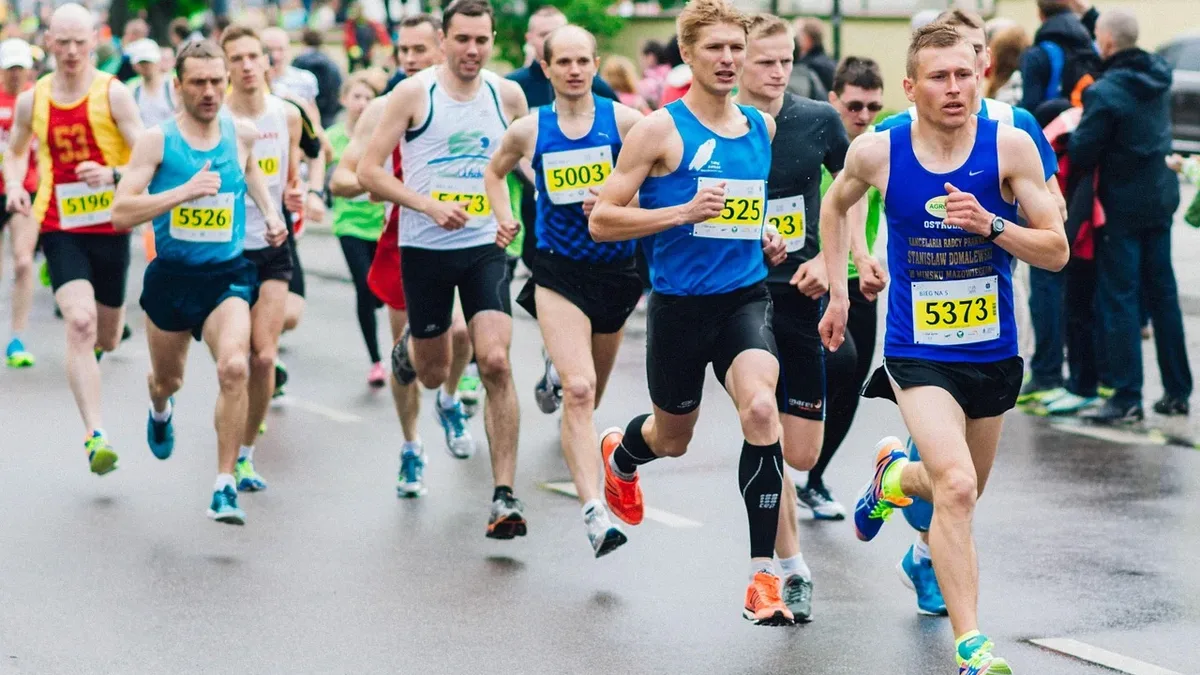
Guye Adola wins Berlin Marathon with PR as Ethiopia sweeps
Ethiopia's Guye Adola won the Berlin Marathon in a personal best 2:02:50, leading an Ethiopian sweep of the top three men's positions on September 27.
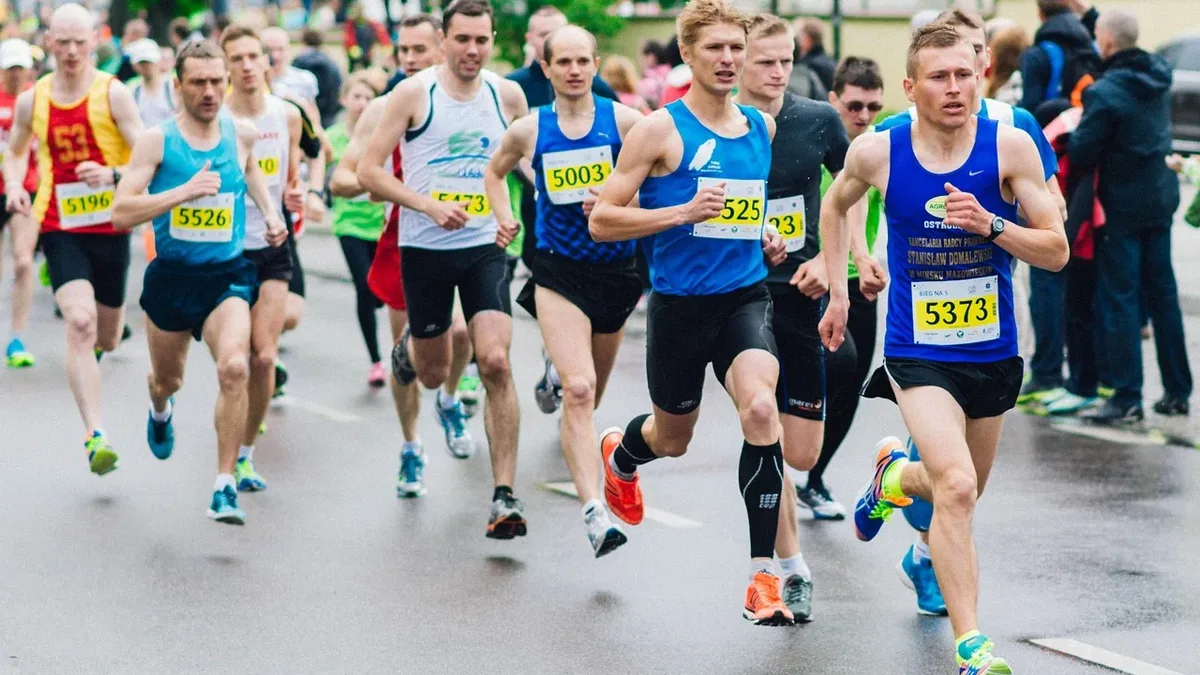
Boston Marathon 2027 Qualifying Times and Entry Numbers
A record 25,630 qualifiers were accepted for the 2027 Boston Marathon despite a tougher 5:17 qualifying cutoff, aided by a new pathway adding 1,000...

Tigst Assefa's Berlin Marathon world-record
Ethiopia's Tigst Assefa ran at world-record pace for two hours at the Berlin Marathon before a severe Achilles tendon injury in the final 1800 meters
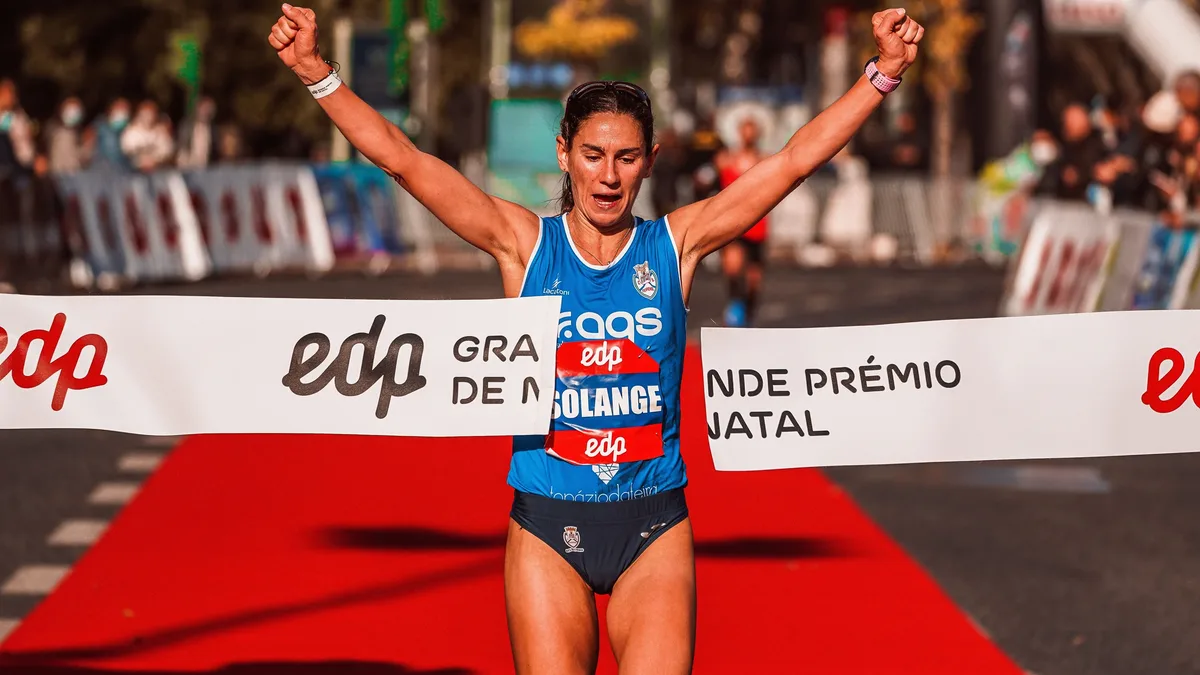
Tigst Assefa wins Berlin Marathon with ruptured Achilles
Ethiopian marathoner Tigst Assefa won the Berlin Marathon in a course record 2:11:04, the third-fastest women's time ever, despite suffering a...