New York City Marathon
| Event type | Road running marathon |
|---|---|
| Distance | 26.2 miles (42.195 kilometers) |
| Course type | Point-to-point |
| First held | 1970 |
| Location | New York City, New York, USA |
| Typical month held | November |
| Field size | Approximately 50,000 runners |
| Course record holders | Geoffrey Mutai (men), Margaret Okayo (women) |
Origin and history
The New York City Marathon originated in the United States, specifically in New York City, and was first held in the 1970s. The inaugural race took place in 1970, organized by the New York Road Runners club and founded by Fred Lebow. That first event was a modest loop course entirely within Central Park, featuring just 127 entrants, of whom only 55 finished. The race’s pivotal transformation occurred in 1976 when the course was redesigned to traverse all five boroughs of New York City, a change that dramatically increased its scale and public appeal. This shift to a citywide tour, passing through diverse neighborhoods and crossing multiple iconic bridges, established the template for the modern marathon spectacle. The event grew steadily through the late 20th century, weathering challenges like the financial crisis of the 1970s, to become one of the world's largest and most recognized annual marathons.
What it is for
The New York City Marathon is a 26.2-mile (42.195-kilometer) road race held annually, typically on the first Sunday in November. It is a mass participation event that serves primarily as a competitive athletic contest for elite professional runners and a monumental personal achievement challenge for tens of thousands of amateur participants. The race is run on a point-to-point course that begins on Staten Island and successively passes through the boroughs of Brooklyn, Queens, the Bronx, and Manhattan, finishing in Central Park. Conditions are variable, with runners facing typical early November weather in New York that can range from cold and windy to unseasonably warm, along with the significant logistical challenge of managing energy across the course's five bridges. The event also functions as a major civic celebration and fundraising platform, with participants collectively raising millions of dollars for numerous charities each year. As one of the six World Marathon Majors, it is a key race in the professional marathon circuit, offering significant prize money and global prestige to its elite winners.
Pros and cons
The iconic, diverse course offers a unique sightseeing tour of the city’s neighborhoods and landmarks, making the race experience distinct from most other marathons. However, significant drawbacks include its exceptionally high entry cost, encompassing not only a steep registration fee but also the substantial expense of accommodation and travel in New York City during the event. The logistical complexity for participants is considerable, requiring very early morning starts, long bus rides to the start village on Staten Island, and potential hours of waiting in corrals, which can deplete energy before the race even begins. The course itself is genuinely challenging, featuring multiple steep bridge ascents in the first half, variable pavement conditions, and frequent cambered roads that can lead to physical strain or injury for unprepared runners. Many participants regret choosing this marathon as a first-time or goal-time race due to its difficulty and crowded field, which makes running even paces extremely challenging, a common mistake for those lured by its fame over its suitability for a personal best.
Who it suits
This marathon best suits experienced runners who prioritize a celebratory, iconic event experience over achieving a fast personal record, given the course's inherent difficulty. It is ideal for participants who are motivated by massive crowd energy and the spectacle of running through a global metropolis, rather than by a quiet, flat, and fast race course. The event is well-suited to runners who are comfortable with and financially able to manage complex logistics, including navigating large expo crowds, early morning transportation, and the high costs associated with race weekend. Charity runners, who gain entry through fundraising commitments, form a significant portion of the field and find the event's high profile beneficial for their causes. International travelers seeking a destination marathon that combines a major athletic challenge with tourism opportunities in New York City are also a core demographic. Due to its demanding nature, it is generally not recommended for first-time marathoners or those with rigid time goals, unless they have specifically trained for hills and variable conditions.
Latest New York City Marathon news
Latest reporting
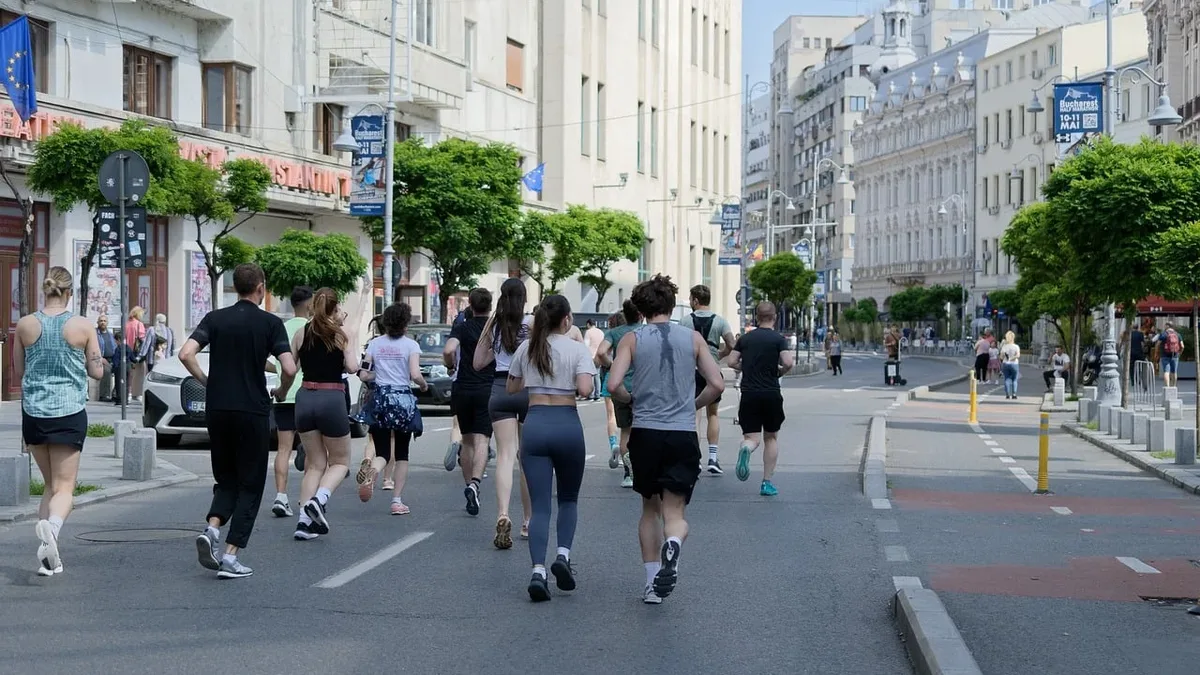
2027 TCS London Marathon a two-day event and Olympic trial
The 2027 TCS London Marathon will be held over two days for the first time, with elite races split across April 24-25.
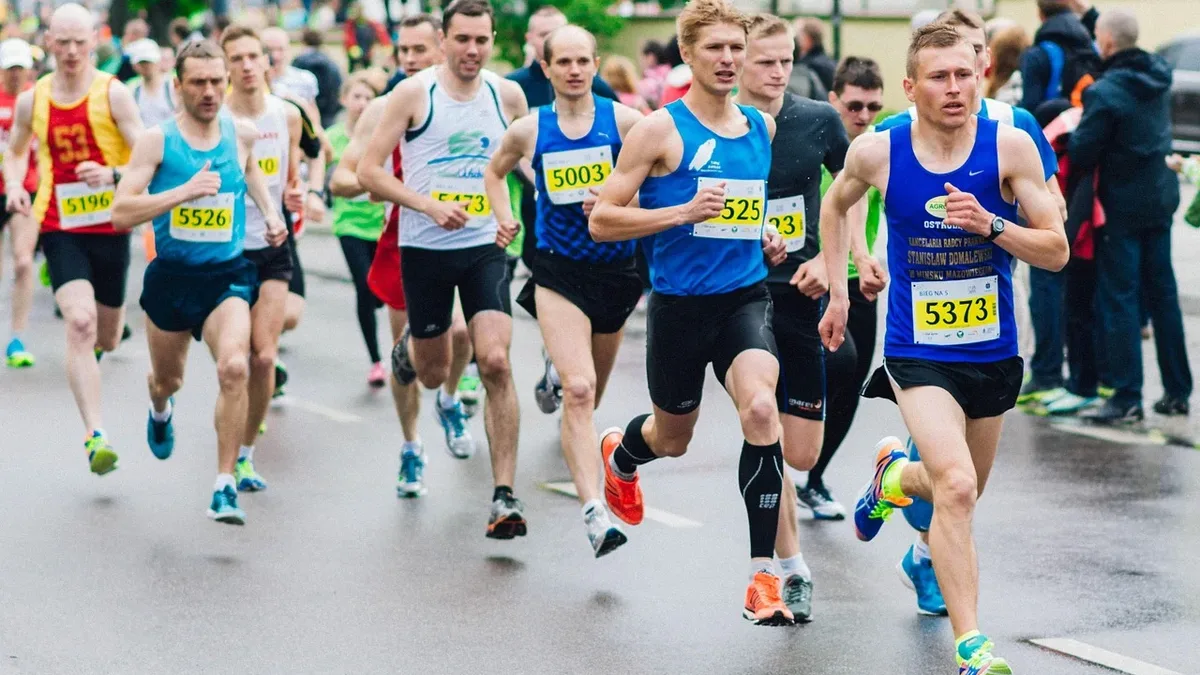
London Marathon 2027 race order set by rock
The 2027 London Marathon will be held over two days, with elite men racing on Saturday, April 24 and elite women on Sunday, April 25, as determined...
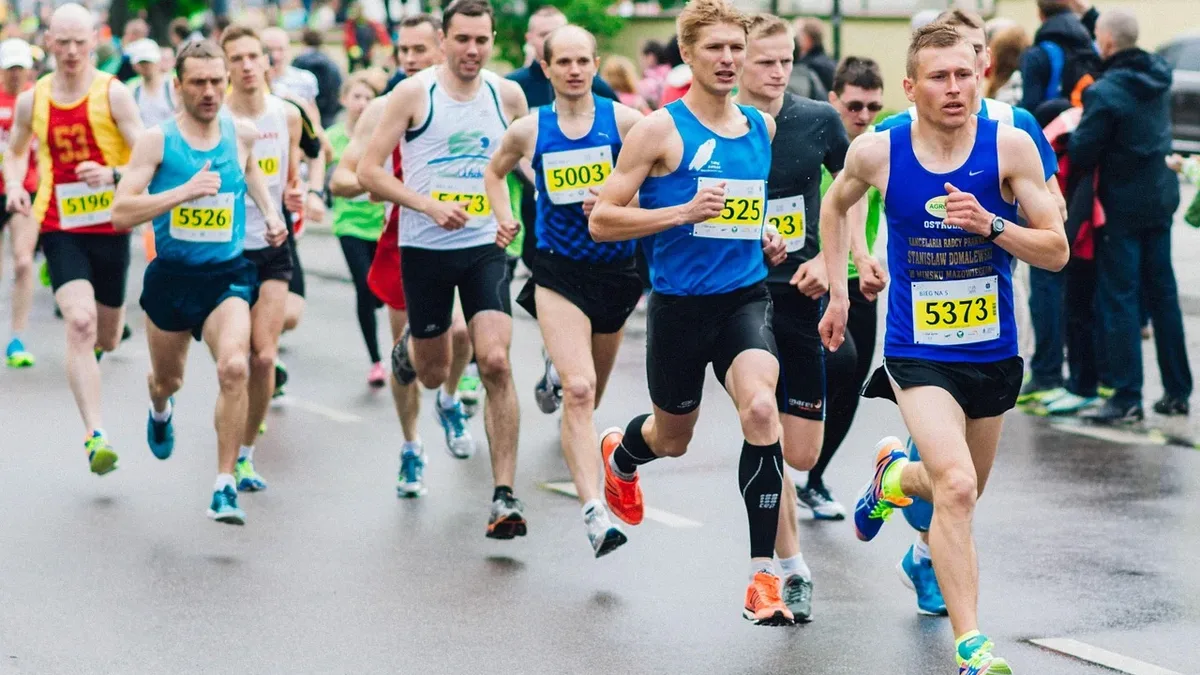
Guye Adola wins Berlin Marathon with PR as Ethiopia sweeps
Ethiopia's Guye Adola won the Berlin Marathon in a personal best 2:02:50, leading an Ethiopian sweep of the top three men's positions on September 27.
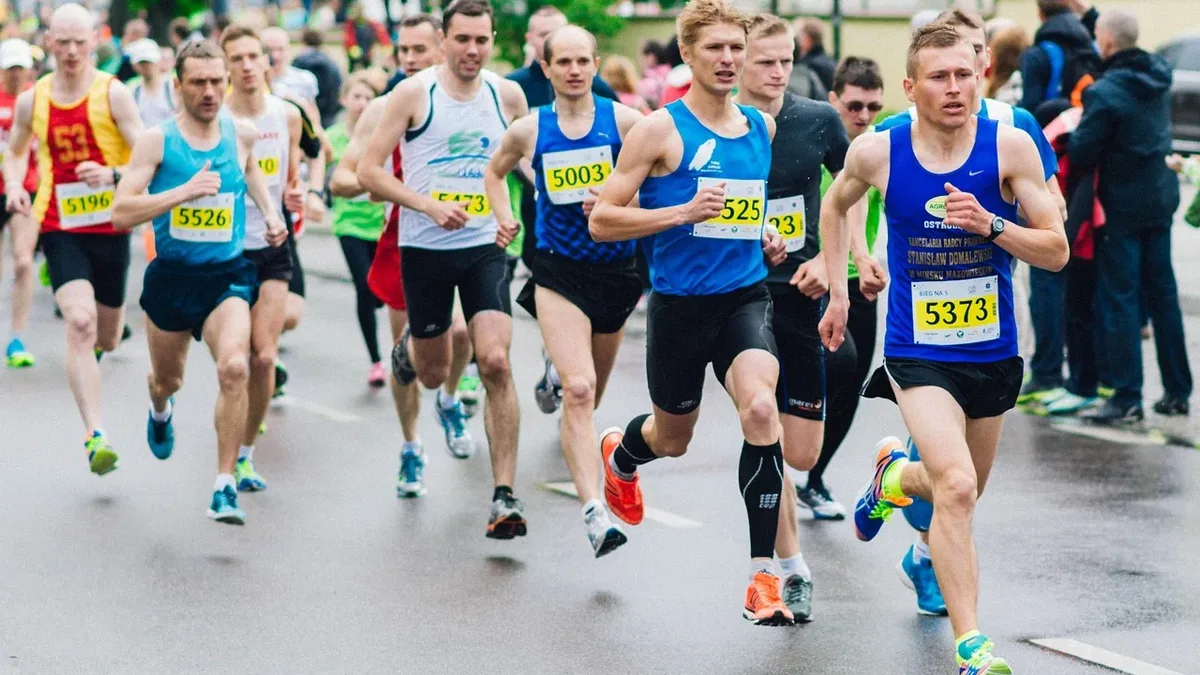
Boston Marathon 2027 Qualifying Times and Entry Numbers
A record 25,630 qualifiers were accepted for the 2027 Boston Marathon despite a tougher 5:17 qualifying cutoff, aided by a new pathway adding 1,000...

Tigst Assefa's Berlin Marathon world-record
Ethiopia's Tigst Assefa ran at world-record pace for two hours at the Berlin Marathon before a severe Achilles tendon injury in the final 1800 meters
Tigst Assefa wins Berlin Marathon with ruptured Achilles
Ethiopian marathoner Tigst Assefa won the Berlin Marathon in a course record 2:11:04, the third-fastest women's time ever, despite suffering a...