Tokyo Marathon
| Event type | Marathon |
|---|---|
| First held | 2007 |
| Course type | Point-to-point |
| Start location | Tokyo Metropolitan Government Building, Shinjuku |
| Finish location | Tokyo Station area |
| Eligibility | Qualifying times or lottery entry |
| Notable feature | One of the World Marathon Majors |
Origin and history
The Tokyo Marathon originates from Japan and was established in the early 21st century, with its first edition held in 2007. It was created through the merger of two existing races: the Tokyo International Marathon and the Tokyo-New York Friendship International Marathon. The event was conceived as a major metropolitan marathon to enhance the city's international profile and promote mass participation in long-distance running. The marathon quickly grew in stature, achieving World Marathon Majors status within a few years of its inception. Its history reflects a deliberate evolution from a primarily elite-focused event to a large-scale race incorporating significant numbers of amateur runners.
What it is for
The Tokyo Marathon is a large-scale, annual long-distance running event held in Tokyo, Japan, primarily for the marathon distance of 42.195 kilometers. It serves as a qualifying race for elite athletes seeking fast times and competitive placement in a major global event. The race also functions as a mass participation platform for amateur runners from Japan and around the world, requiring qualifying times for entry. It is one of the six World Marathon Majors, forming part of the premier annual series in professional marathon racing. The event is designed to promote the sport of athletics, foster community engagement, and showcase the city of Tokyo. Furthermore, it incorporates a 10-kilometer race for wheelchair athletes, establishing itself as a major event for para-athletics.
Pros and cons
A primary advantage of the Tokyo Marathon is its exceptional organization, renowned for meticulous logistics, abundant on-course support, and impeccable crowd management. The flat and fast course, combined with typically cool late-winter weather, offers strong potential for participants to achieve personal best times. The race provides a unique opportunity to run through the heart of a major global city, passing iconic landmarks like the Imperial Palace and Tokyo Station. A significant drawback is its highly competitive lottery-based entry system for general participants, resulting in low acceptance rates that frustrate many aspiring runners. The event can feel overwhelmingly large and impersonal to some participants due to its sheer scale and strict, procedural nature. Common mistakes include inadequate preparation for the often-cold and potentially rainy race-day conditions and underestimating the logistical complexity of navigating the large expo and start area.
Who it suits
The Tokyo Marathon best suits highly organized runners who value precision and are prepared to navigate a complex, large-scale event. Elite and sub-elite runners targeting the World Marathon Majors circuit will find it a necessary and professionally managed stop. The event appeals to international travelers who wish to combine a marathon with experiencing Japanese culture and Tokyo's urban landscape. It is less suited for first-time marathoners or those seeking a small, community-focused race atmosphere due to its impersonal scale and competitive entry. Runners who thrive on energetic crowd support and are undeterred by cold weather conditions will find the event particularly rewarding.
Latest Tokyo Marathon news
Latest reporting

Yomif Kejelcha Withdraws from Valencia Marathon
Yomif Kejelcha withdrew from the December 6 Valencia Marathon due to injury, removing the favorite for a world record attempt and marking the third...

20-Week Beginner Half Marathon Plan Uses Time-Based Training
A new 20-week half marathon plan for beginners, created by UESCA-certified coach Meg Takacs, focuses on time-based easy runs over distance to build...
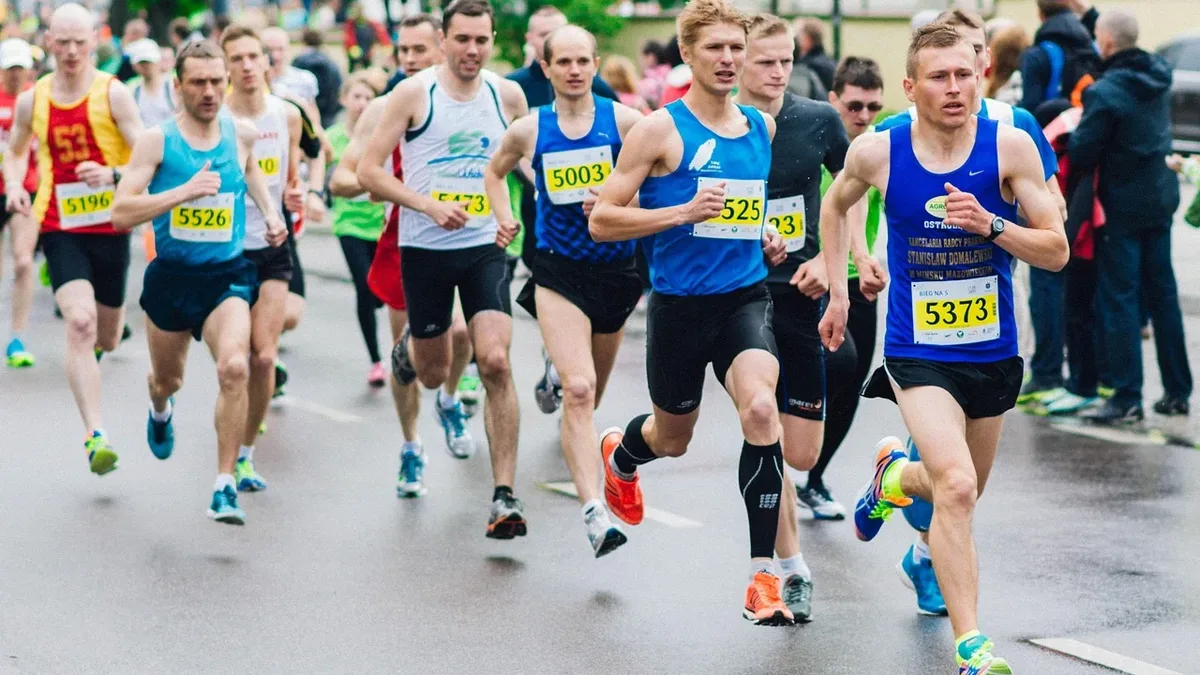
New York City Marathon Experience Rekindles Runner's Ambition
A journalist's first-hand media experience at the 2025 Abbott World Marathon Major in New York City, detailing the challenging course, dramatic elite...

Josh Griffiths gets three-month ban for cocaine metabolite
British marathon runner Josh Griffiths has been banned for three months by the Athletics Integrity Unit after a cocaine metabolite was detected...
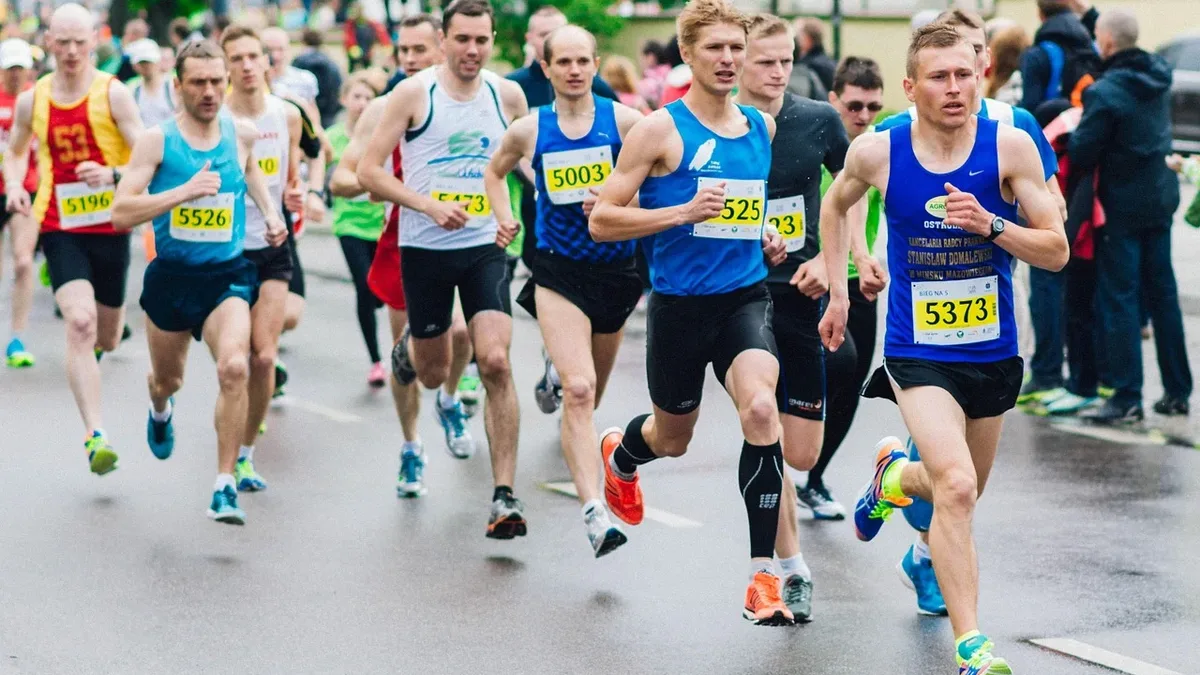
Paula Radcliffe awarded OBE at Windsor Castle ceremony
Marathon world record holder Paula Radcliffe received an OBE for services to sport from the Prince of Wales at Windsor Castle.
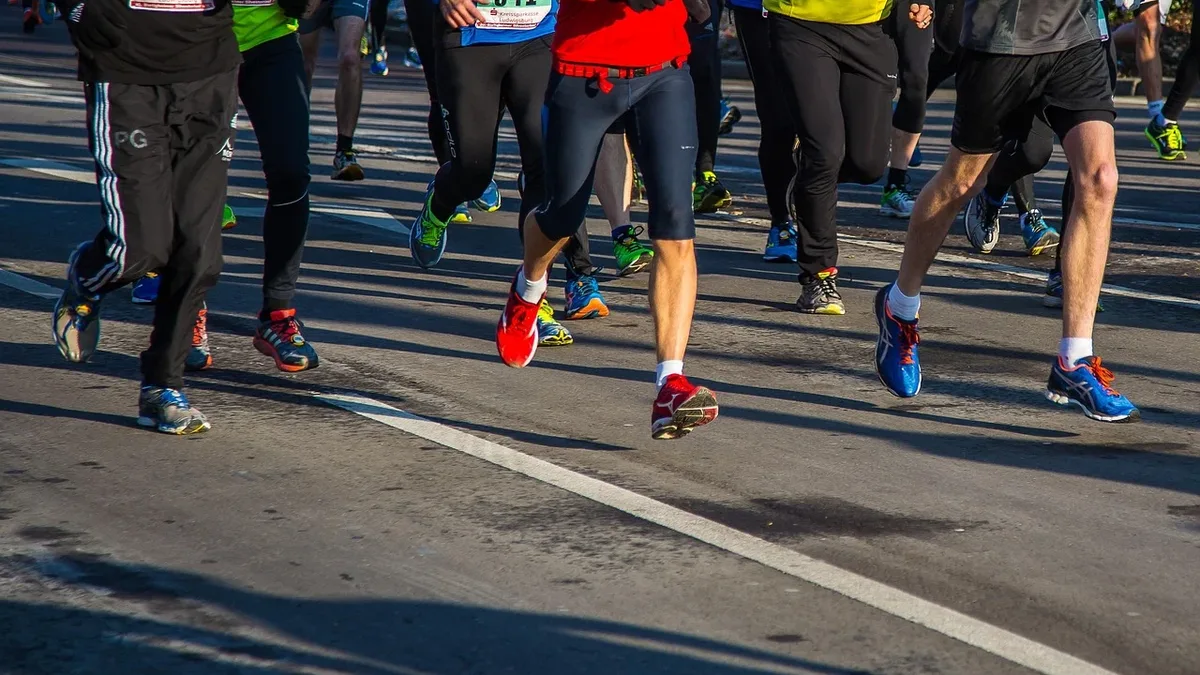
LA2028 Marathon Qualification Standards and Entry Requirements Tighten
World Athletics has set tougher entry standards for the 2028 Los Angeles Olympics, with marathon marks now faster than the Paris 2024 winning times.